Last updated October 30, 2026
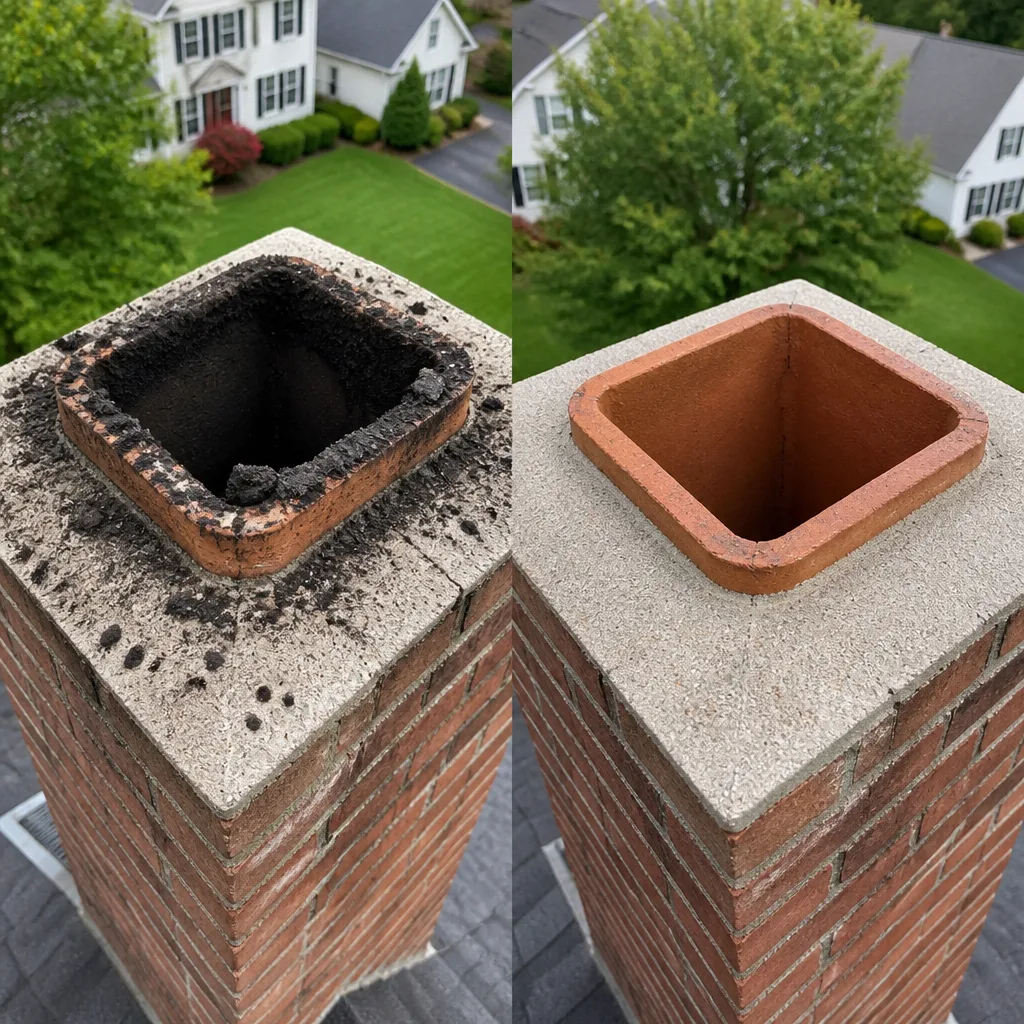 Sweep & inspection
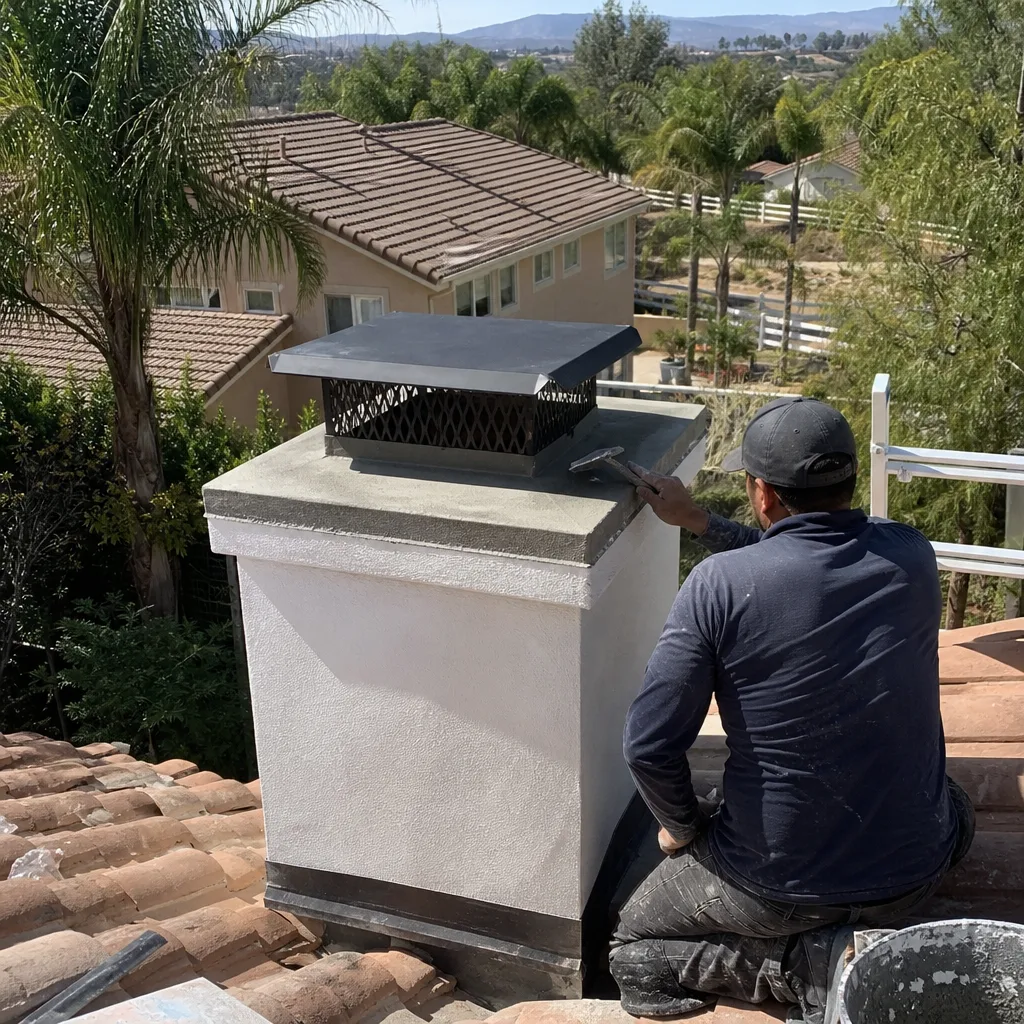
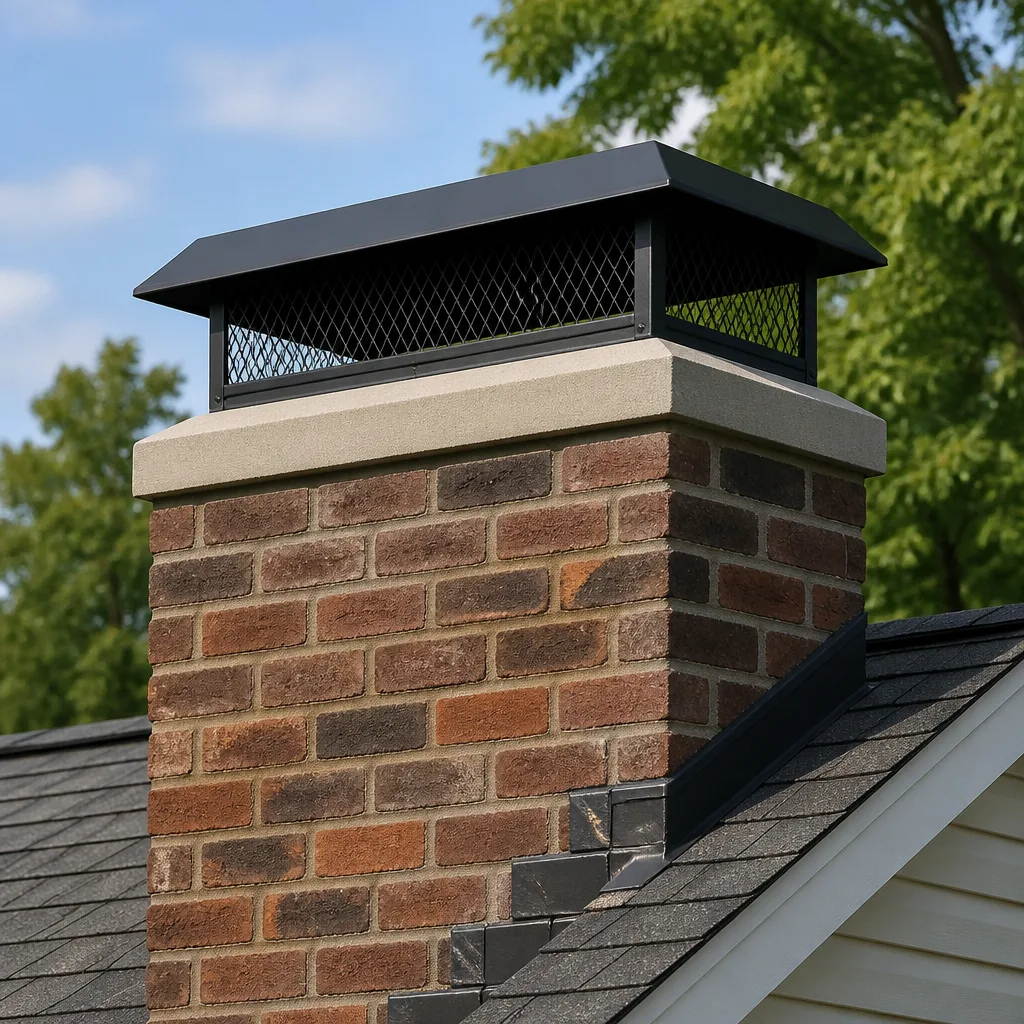 Caps & crowns
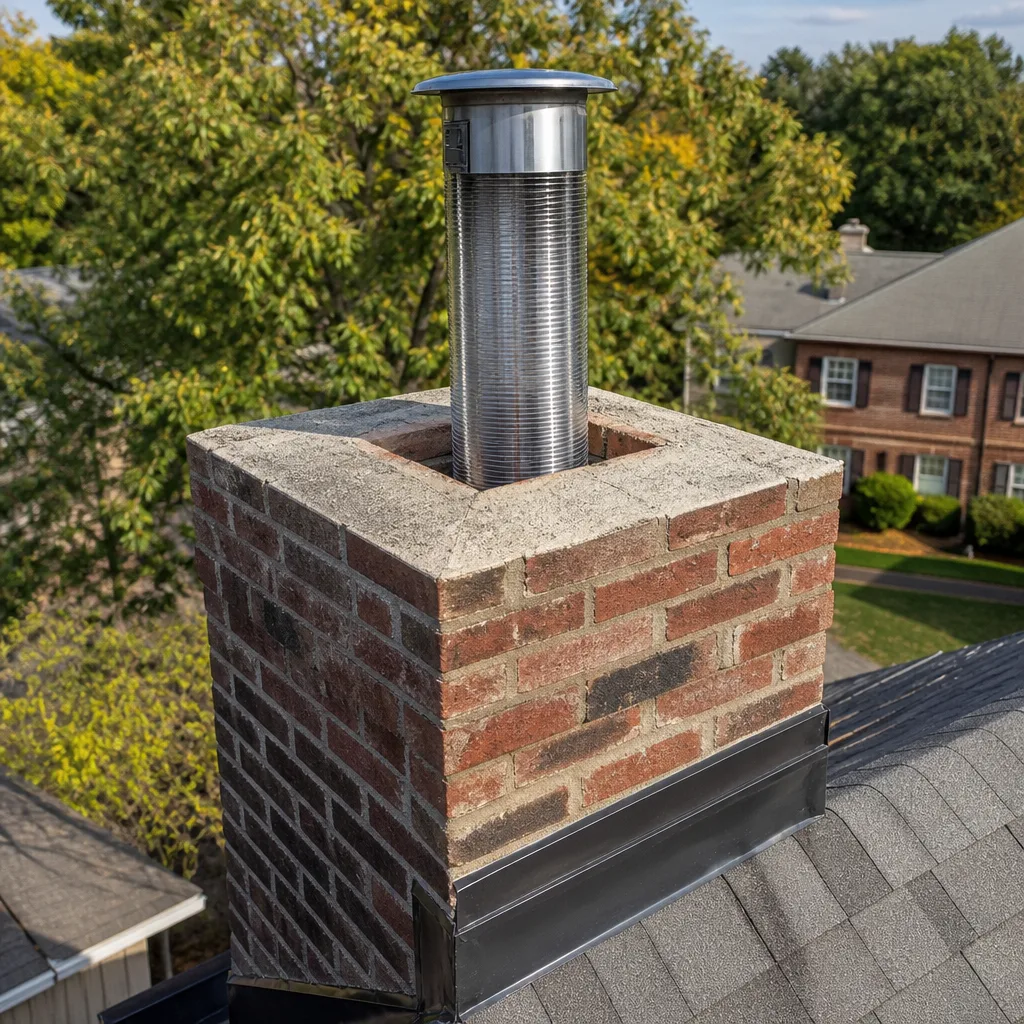 Flue relining
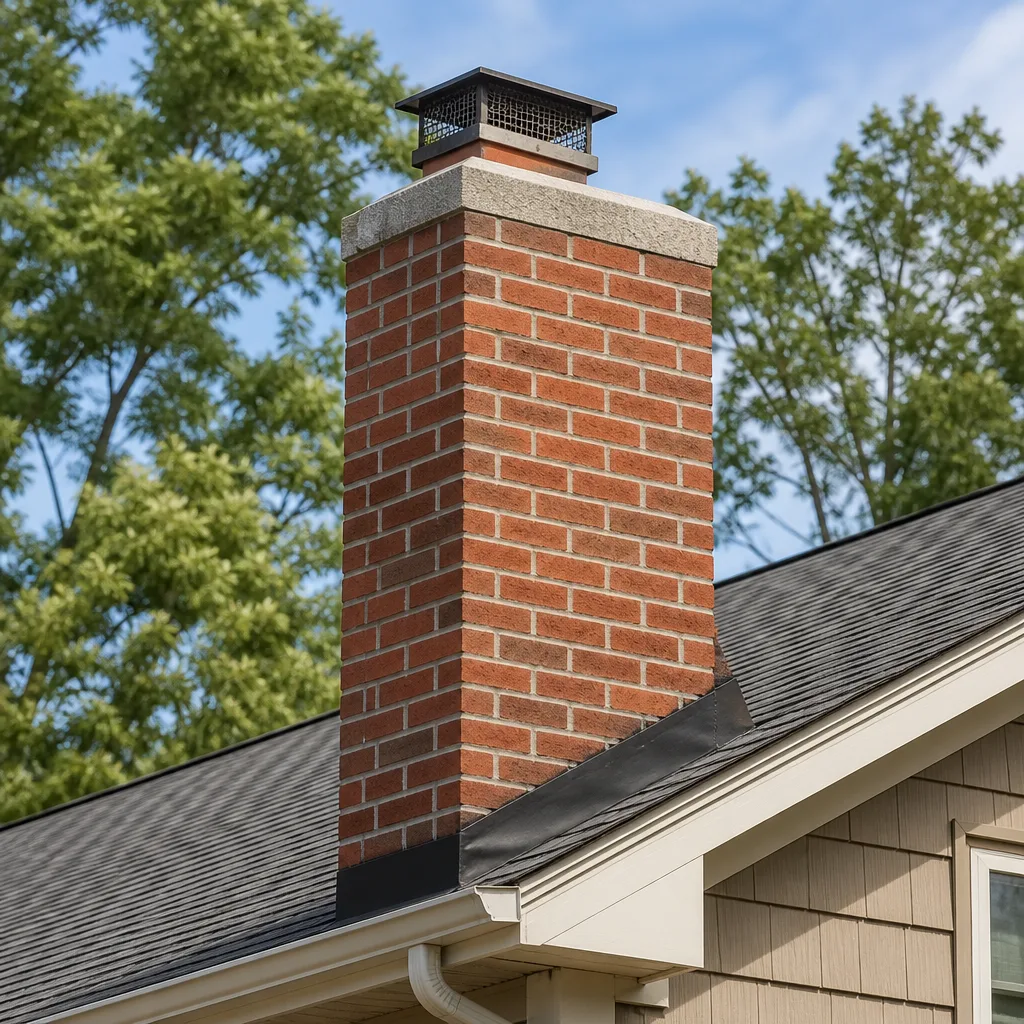 Masonry repair
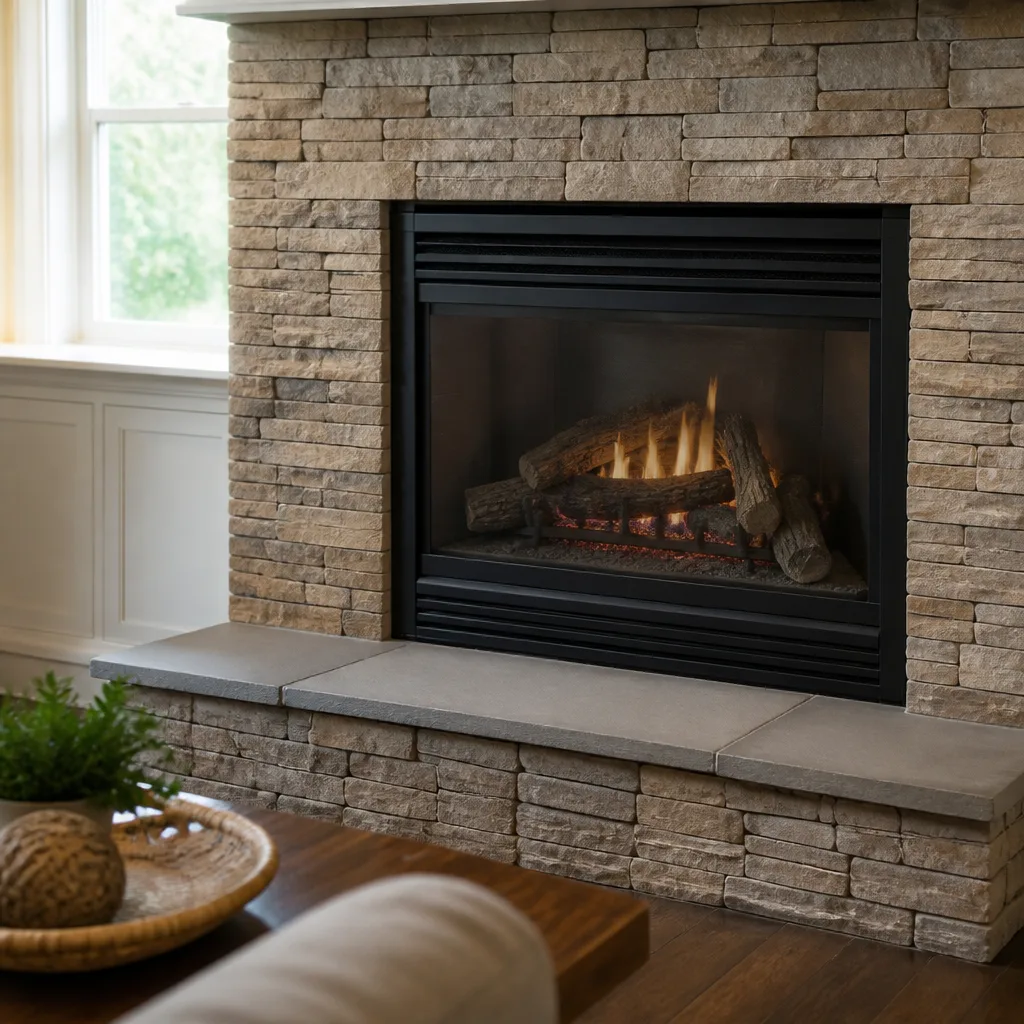 Gas fireplace service
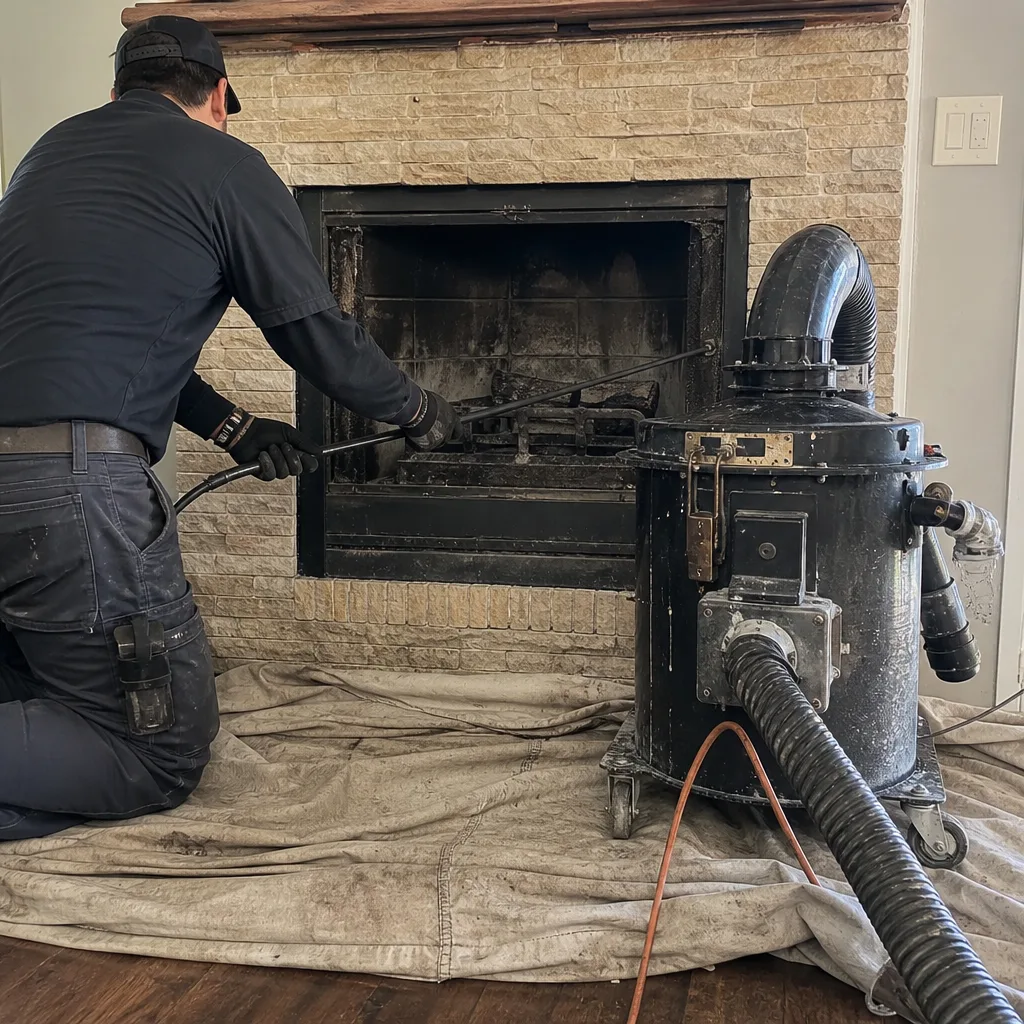
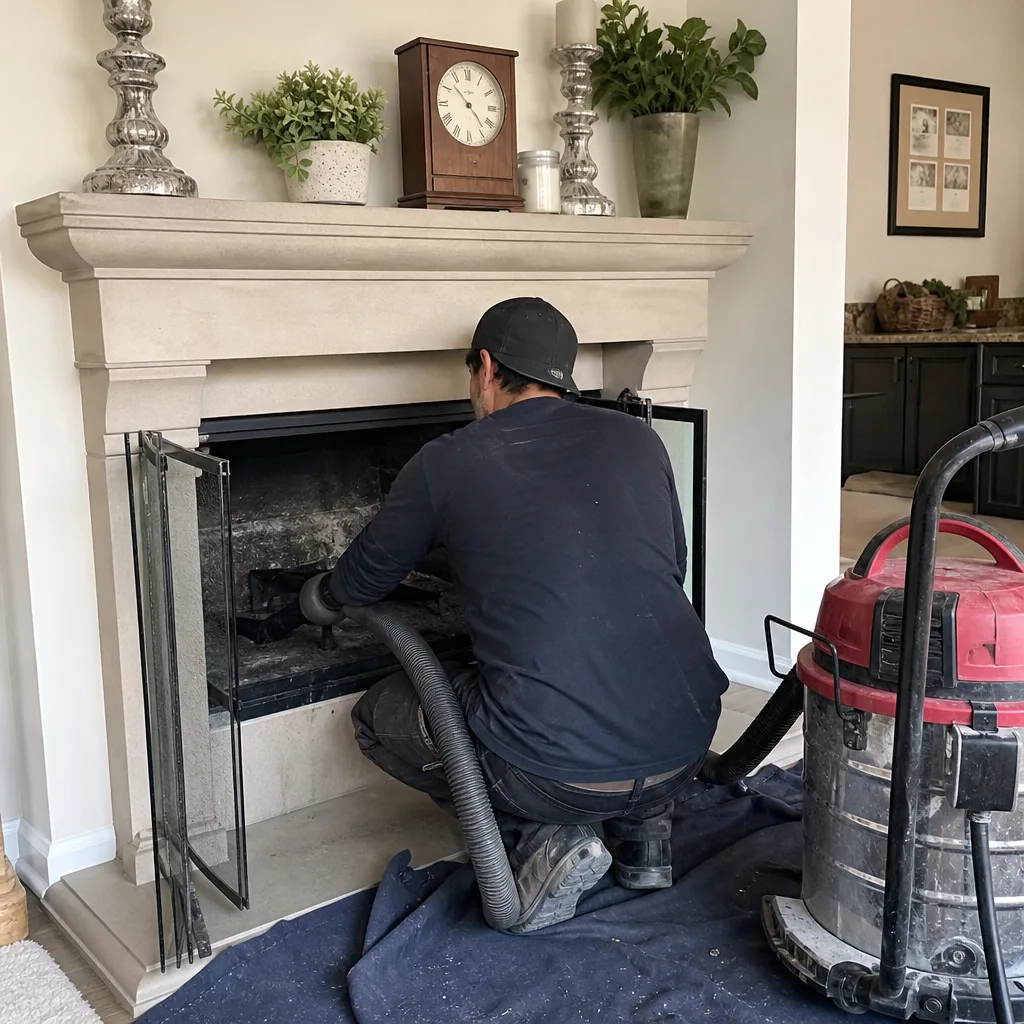
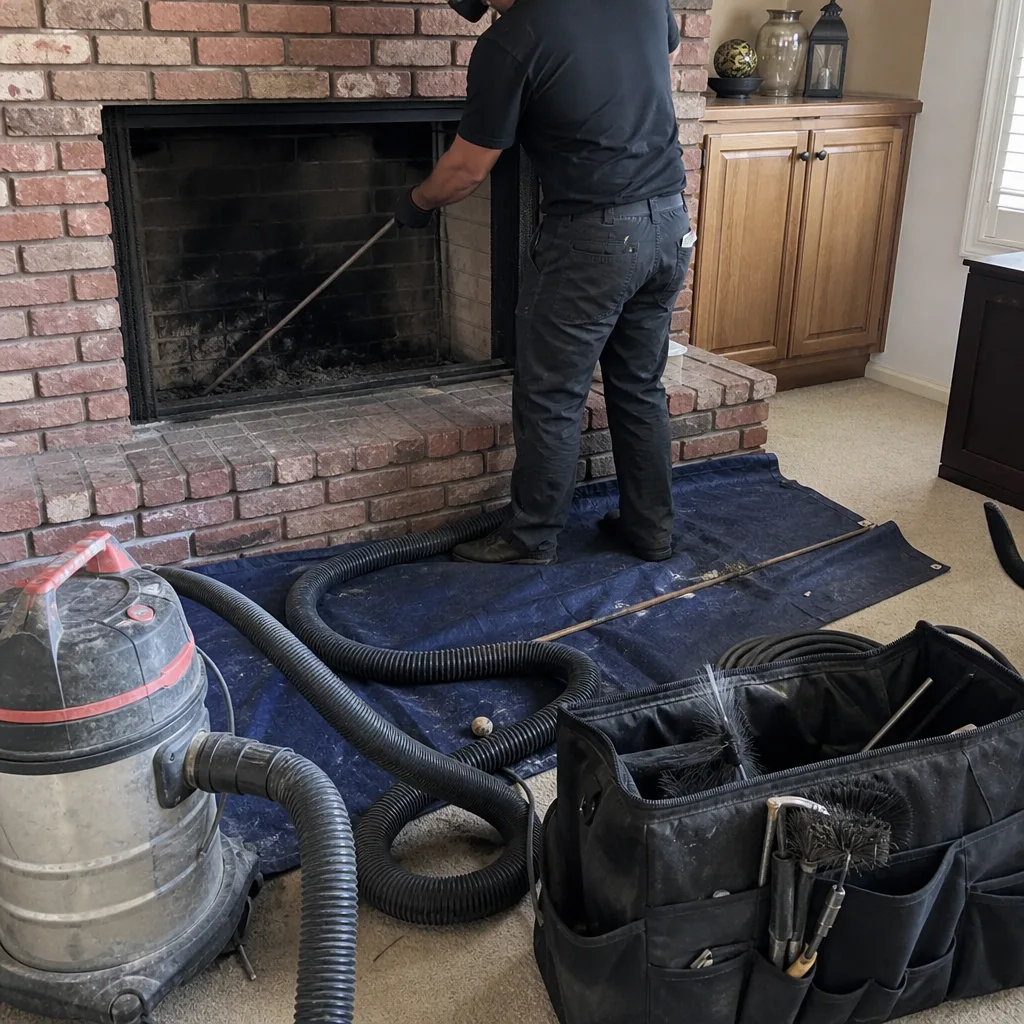
Level 1 sweep and inspection to the NFPA 211 annual standard - flue, crown, cap, and flashing checked and photographed
Chimney sweep logs do not sweep chimneys. They loosen some creosote - which then falls where a brush and vacuum still have to collect it.
Choosing the Right Chimney Cleaning Brand: A Buyer’s Guide for Temecula
Walk the chimney cleaning aisle at any Temecula hardware store and you’ll find products that look almost identical to what a professional carries on the truck. The brush has a similar shape. The sealant tube claims the same thing. The price is lower. But here’s what most homeowners never learn: the formulations, materials, and performance specifications are genuinely different. The sealant sold at retail is often a general-purpose product rated for temperatures and conditions that don’t match what a masonry chimney actually experiences through a Temecula summer-to-winter cycle. This guide explains what professional-grade chimney supply actually is, why the material differences matter, and how to evaluate whether a contractor is using products built for the job, not products built for the shelf. For a deeper look at the full process, see The Complete Chimney Sweep Guide for Temecula Homeowners.
Styles & brands we work with
Quick Answer
The right chimney cleaning brand depends on the job: professional-grade brushes matched to your flue type, mechanical cleaning over chemical shortcuts, and trade-sourced sealants rated for your specific liner material. In Temecula, homeowners should ask contractors what supply brands they use and whether those products match manufacturer specs for clay tile, stainless liner, or poured-in-place flues. The brands that matter aren’t the ones at the big-box store; they’re the ones chimney pros order from trade supply houses like Gelco, Copperfield, and HeatShield.
Table of Contents
- Why the Supply Brands a Contractor Uses Matter More Than the Service Itself
- What Professionals Actually Use: Trade Supply Brands vs. Retail Equivalents
- Chimney Brush Selection: Gauge, Fill Material, and Why the Wrong Brush Damages Liners
- Chemical Creosote Removers: What They Do, What They Don’t Do, and When They’re Useful
- Flue Sealants and Crown Coatings: Specs That Actually Determine Service Life
- How to Verify a Contractor’s Material Choices Without Technical Expertise
- Common Mistakes to Avoid
- When to Call a Professional
- Frequently Asked Questions
- The Bottom Line
Why the Supply Brands a Contractor Uses Matter More Than the Service Itself
Most homeowners evaluate a chimney contractor on two things: price and whether the fireplace works afterward. Neither tells you anything about whether the materials used on your flue will hold up for ten years or quietly fail in three. A sweep that removes visible creosote but uses a brush too aggressive for your liner has solved one problem and created another. A crown coating that wasn’t spec’d for your climate will crack within two seasons. In Temecula, where summer temperatures regularly exceed 100 degrees and winter nights drop below freezing, the thermal cycling stress on sealants and coatings is severe. The product matters.
Professional chimney supply lines exist because the job has tolerances. DuraFlex liner systems, for example, are built for continuous high-temperature and corrosive exposure in a way no retail exhaust pipe approaches. HeatShield products are engineered specifically as a chimney liner restoration system, not a general-purpose masonry patch. When a contractor sources from these lines, it signals they’re working from technical specifications, not shelf convenience. The Oakridge Chimney Sweep home page covers the full scope of what a dedicated chimney specialist handles, but the short version is this: the brand list tells you what standard the contractor holds themselves to.
What Professionals Actually Use: Trade Supply Brands vs. Retail Equivalents
The difference isn’t marketing. It’s formulation chemistry and material engineering. Let’s look at the actual product categories where the gap is widest.
Sealants and Coatings
The chimney sealant tube at a Temecula hardware store is typically an acrylic latex or silicone caulk rated for general exterior use. It might say “high temperature” on the label. What it doesn’t say is that it’s tested for intermittent exposure around 200 to 300 degrees Fahrenheit. A masonry chimney flue can see 1,000 degrees Fahrenheit and higher directly above the firebox during normal operation, with surface temperatures several hundred degrees at the crown. Gelco and other trade supply brands formulate their sealants and crown coatings for that continuous cycling. They specify minimum cure times, application temperatures, and substrate preparation requirements that retail products don’t even address.
Brushes and Rods
Consumer chimney sweeping kits sold at retail typically include a basic wire brush attached to flexible rods with white plastic connectors. They work, in the sense that they’ll knock loose the top layer of creosote from a straight flue. What they won’t do is match brush density and fill material to the liner type, navigate offsets safely, or avoid scratching ceramic glazes on clay tile liners. Professional brushes from trade lines are spec’d by flue dimensions and liner material. Copperfield and similar suppliers produce brushes in multiple diameters, fill densities, and materials precisely because one brush doesn’t fit all.
Liner Components and Restoration Products
This is where the gap becomes structural. HeatShield isn’t a retail brand at all. It’s a cerfractory sealant system applied by trained installers to repair gaps, cracks, and spalling in existing flue liners. It restores the flue lining without a full teardown. No equivalent product exists on a hardware store shelf, because applying it correctly requires an understanding of flue thermodynamics, clearances, and draft mechanics. DuraFlex liner systems are similarly trade-only. These are flexible stainless steel liners built for continuous wood-burning and gas-venting applications, with component warranties tied to certified installation. The fact that these brands are only available through professional supply channels isn’t gatekeeping; it’s recognition that improper installation of these materials creates a fire hazard rather than preventing one.
Chimney Brush Selection: Gauge, Fill Material, and Why the Wrong Brush Damages Liners
Chimney brushes look the same to a casual eye. They are not the same, and using the wrong one on the wrong flue is how liners get damaged. Here’s how brush selection actually works.
Fill Material: Poly, Wire, and Polypropylene
- Oil-tempered wire brushes are the traditional choice. They’re aggressive, durable, and correct for removing hard, baked-on creosote from unlined masonry or clay tile flues. Used on a stainless steel liner, however, steel wire can scratch and score the surface. Those micro-abrasions become collection points for creosote and moisture, accelerating deterioration.
- Polypropylene brushes are the standard for stainless steel liners. The plastic bristles are firm enough to scrub creosote deposits but won’t scratch the liner surface. They’re also the correct choice for pre-fabricated metal chimneys. The trade-off is they wear faster than wire and are less effective on hardened third-degree creosote.
- Mixed-fill brushes combine wire and polypropylene bristles for a middle-ground aggressive scrub. They’re used in specific applications where liner type permits partial wire contact without risk of surface damage.
Brush density also matters. A brush that’s too small for the flue leaves creosote behind. One that’s too large creates excessive friction, can bind inside the flue during the sweep, and places mechanical stress on the liner. Professional sweeps measure the flue before selecting a brush. They also carry multiple brush sizes and fill types because a house with a clay tile fireplace flue and a stainless steel furnace vent needs two different tools, not one.
In Temecula, many homes built in the 1980s and 1990s have factory-built fireplaces with pre-fabricated metal chimneys. Those chimneys specifically require poly brushes. Run a wire brush through one and you’re shaving years off the galvanized or stainless wall. A homeowner who buys a retail sweeping kit has no way to know this. That’s one reason why this level of Chimney Sweep in Coto De Caza work is better left to someone who stocks the full range of brushes.
Chemical Creosote Removers: What They Do, What They Don’t Do, and When They’re Useful
Chemical creosote removers, sold as powders, sprays, or impregnated logs, occupy a legitimate but narrowly defined role in chimney maintenance. Understanding that role prevents both overreliance and pointless rejection of a useful tool.
What Chemical Removers Actually Do
Creosote forms in three stages. First-degree is loose, fluffy, and easily removed with a brush. Second-degree flakes into granular crust. Third-degree is a hard, glassy, tar-like glaze that resists mechanical brushing and becomes increasingly flammable at lower temperatures. Chemical creosote removers don’t remove any of it on their own. What they do is chemically modify the creosote, particularly second and third-degree deposits, so that it becomes easier to remove in a subsequent mechanical sweep. The active ingredients, typically manganese or copper catalysts, lower the combustion temperature of creosote and help break down the binding agents that hold the harder deposits together.
What Chemical Removers Don’t Do
Nothing in a spray bottle or scoop replaces the physical removal of creosote from the flue. Chemical treatments leave residue in place. They can make the next sweep more thorough and less labor-intensive, but they are a preparatory step, not a substitute. Any product that implies otherwise is marketing against the laws of chemistry.
When They’re Legitimately Useful
- Between annual cleanings in heavy-use fireplaces. A chemical treatment mid-season can keep second-degree deposits from hardening into third-degree glaze, making the annual sweep easier and more complete.
- Before a professional sweep of a heavily glazed flue. Applying a chemical remover one to two weeks before the scheduled sweep increases what the mechanical cleaning can remove.
- For low-temperature, smoldering-fire households. Homes that burn green or unseasoned wood, or that routinely operate fires at low temperature, accumulate creosote faster. Chemical treatment adds a layer of management between sweep cycles.
The key point is that the product must be matched to the creosote type. A retail creosote log won’t touch third-degree glaze in a flue that hasn’t been swept in eight years, and it definitely won’t replace the service call. It can, however, make the service call more effective. A professional who understands this distinction will tell you when a chemical treatment will help and when it’s a waste of money. In Temecula, where many homeowners burn softwood from local suppliers, creosote type varies widely – and no single retail product addresses all of it.
Flue Sealants and Crown Coatings: Specs That Actually Determine Service Life
Chimney crowns and flue joints are exposed to the worst of what the outdoors can deliver: UV radiation, rain, freeze-thaw cycling, and the chemical byproducts of combustion. A sealant or coating that isn’t spec’d for all of those conditions is going to fail. The question is when, not whether.
Surface Preparation Requirements
Professional-grade chimney sealants require specific surface conditions to bond properly. The surface must be clean, free of loose material, and typically dry to a specified level before application. Silicone-based products, for example, do not adhere well to damp surfaces. In Temecula’s dry climate, that’s usually manageable, but morning dew or moisture seeping from a firebox can create bond failures that aren’t visible until the coating peels away months later. A contractor who knows the product will tell you about prep requirements, not skip them to save time.
Cure Time and Application Temperature
Every professional sealant and coating has a stated cure time and an application temperature range. Push the product outside those parameters and you get a sealant that looks fine but never fully cures. Some products require 24 to 48 hours of dry conditions after application. In Temecula, where summer rain is rare but winter storms arrive sporadically, timing the application around the forecast isn’t a nicety. It’s a spec requirement.
Temperature Range and Thermal Cycling
The critical spec is continuous operating temperature. A chimney crown doesn’t see direct flame, but it does conduct heat from the flue. The interior flue surface sees far more. Ask your contractor what temperature range the product they’re using is rated for, and what they use specifically on flue tile joints. If they can’t answer, or if the answer is a generic “high heat” without a number, the product selection is probably shelf-driven rather than spec-driven.
How to Verify a Contractor’s Material Choices Without Technical Expertise
You don’t need to be a chimney technician to know whether your contractor is using the right products. You just need to ask the right questions, in the right order, and know which answers should end the conversation.
Step 1: Ask What Brands They Use
The correct answer names specific trade supply lines: DuraFlex, Copperfield, HeatShield, Gelco, Famco, or similar. A vague answer like “whatever the supply house carries” or “the standard stuff” doesn’t tell you the standard. A contractor who can name their supply lines and, more importantly, explain why they chose them, is operating from technical understanding rather than price selection.
Step 2: Ask What Flue Type You Have and What That Determines
The answer should be immediate. Clay tile requires different brush selection than stainless steel. Factory-built metal chimneys require poly brushes. Poured-in-place liners have their own specifications. If the contractor can’t tell you what type of flue you have before seeing it, that’s normal. If they can’t tell you what changes when they do know, that’s a red flag.
Step 3: Ask About Sealants and Coatings If Repair Is Recommended
When a repair quote includes sealant or crown coating, ask what product they’ll use, what prep it requires, and what the cure time is. A professional who has to think about those answers hasn’t thought about the job yet. The answer should be specific to a product they’ve used before, with an explanation of why that product fits your specific situation.
Step 4: Request Manufacturer Documentation
Material safety data sheets, product application sheets, or installation guides all exist for professional chimney supply products. If the contractor is using a specific product from a manufacturer like Famco or Copperfield, that documentation exists and can be shared. Contractors who install products without documentation, or who can’t identify the manufacturer, are flying on experience rather than specification. Experience is valuable; it isn’t a substitute for documented material compatibility.
In our experience, the best contractors welcome these questions. They don’t get defensive. They explain. And they’re pleased the customer cares enough to ask. That dynamic is itself a screening tool. This principle applies whether you’re evaluating a sweep or a full Chimney Repair in Coto De Caza scope.
Common Mistakes to Avoid
- Buying retail sweeping kits for clay tile or metal chimneys without knowing your flue type. The wrong brush material scores stainless steel and shortens liner life. If you don’t know what your flue is made of, don’t touch it with a brush.
- Treating chemical creosote removers as a replacement for sweeping. A chemical treatment modifies deposits; it doesn’t remove them. Skip the mechanical sweep and you still have creosote in the flue.
- Selecting a contractor by price without asking what products they’ll use. Two sweeps at different price points are only comparable if they’re using equivalent materials and following equivalent prep standards. They often are not.
- Accepting vague answers when you ask about sealant brands and application specs. If a contractor can’t name the product or the temperature rating, they haven’t done spec-based work. Walk away.
- Ignoring the firebox and smoke chamber while focusing only on the flue. The flue gets the attention for valid fire-safety reasons, but gaps and cracks in the firebox and smoke chamber are also pathways for heat and gas into the home. A complete inspection includes them.
- Assuming any contractor with a truck and tools is current on manufacturer installation requirements. Installation standards change, and products get revised. Contractors who don’t keep documentation current are installing to the standards of their training year, not the product’s current spec.
- Treating dryer vent cleaning as a separate hassle and putting it off. Clogged dryer vents are a leading cause of residential fires, and the Dryer Vent Cleaning in Coto De Caza work is quick, low-cost, and effective when done as part of an annual home fire-safety routine.
When to Call a Professional
A professional chimney inspection and sweep is warranted when you’ve been burning wood or gas regularly for a year or more without service. If there’s visible soot or creosote buildup in the firebox, if the fireplace smells damp or smoky between burns, or if smoke has begun entering the room, don’t wait. Those conditions don’t resolve themselves, and the risk profile only worsens with additional use. If you’ve recently bought a Temecula home with an existing chimney and have no service records for it, book an inspection before the first fire of the season. Not sure whether to tackle maintenance yourself or hire out? Read our DIY vs Professional Chimney Cleaning: The Temecula Homeowner’s Decision Guide. The same applies to any home where the chimney has sat unused for years; wildlife, debris, and vertical cracks can create costly problems that are invisible from outside. Oakridge Chimney Sweep offers free estimates in Temecula – call (866) 563-3051 to schedule a professional inspection.
Frequently Asked Questions
Professional chimney sweeps and technicians source from trade supply lines like Gelco, Copperfield, Famco, DuraFlex, and HeatShield, depending on the task. These brands are spec’d for specific flue types, temperature ranges, and application requirements, unlike the general-purpose products sold at retail hardware stores.
You can, but you shouldn’t without knowing your flue type and brush requirements. The wrong brush can scratch stainless steel liners or leave creosote behind on clay tile. The mechanical risk of working at height, the mess, and the inability to inspect for hidden cracks all argue for a professional sweep in Temecula homes.
Chemical creosote removers are useful as a preparation step before mechanical sweeping, particularly on hardened glazed deposits. They do not replace sweeping. If your goal is to make the annual sweep more effective, they’re a legitimate part of a maintenance plan. If your goal is to avoid the sweep, they won’t achieve it.
Annual sweeping is the standard recommendation for wood-burning fireplaces in active use. Homes that burn heavily through the winter, or that burn softwood with higher creosote production, may warrant twice-annual cleaning. Gas fireplaces should be inspected annually, with cleaning less frequently required depending on venting and usage.
A liner repair recommendation means the current flue liner has gaps, cracks, or deterioration that would allow heat, gas, or creosote to reach the surrounding masonry or home structure. Depending on the condition, the repair may involve a HeatShield sealant restoration, a DuraFlex stainless insert, or other trade-spec products matched to the liner type. Always ask to see the camera inspection footage that supports the recommendation.
Yes, though the urgency depends on the venting system and fuel type. Occasional wood fires still produce creosote, which accumulates even in small quantities. Gas fireplaces produce less creosote but can have venting blockages or cap corrosion that require periodic inspection. Annual inspection is the minimum for any vented appliance, regardless of usage frequency.
The Bottom Line
The right chimney cleaning brand isn’t a single product name. It’s the practice of matching materials to your flue type, your climate, and the specific condition of your chimney. In Temecula, that means poly brushes for stainless and pre-fabricated metal chimneys, oil-tempered wire for clay tile where appropriate, chemical treatments as preparation rather than replacement, and sealants that carry documented temperature and cure specifications. Ask your contractor what they’re using and why. The answers reveal more than a price quote ever will. If you’re not getting specific, documented answers, call (866) 563-3051 and talk to someone who can provide them.
Written by the team at Oakridge Chimney Sweep, serving Temecula since 2011.
See the difference
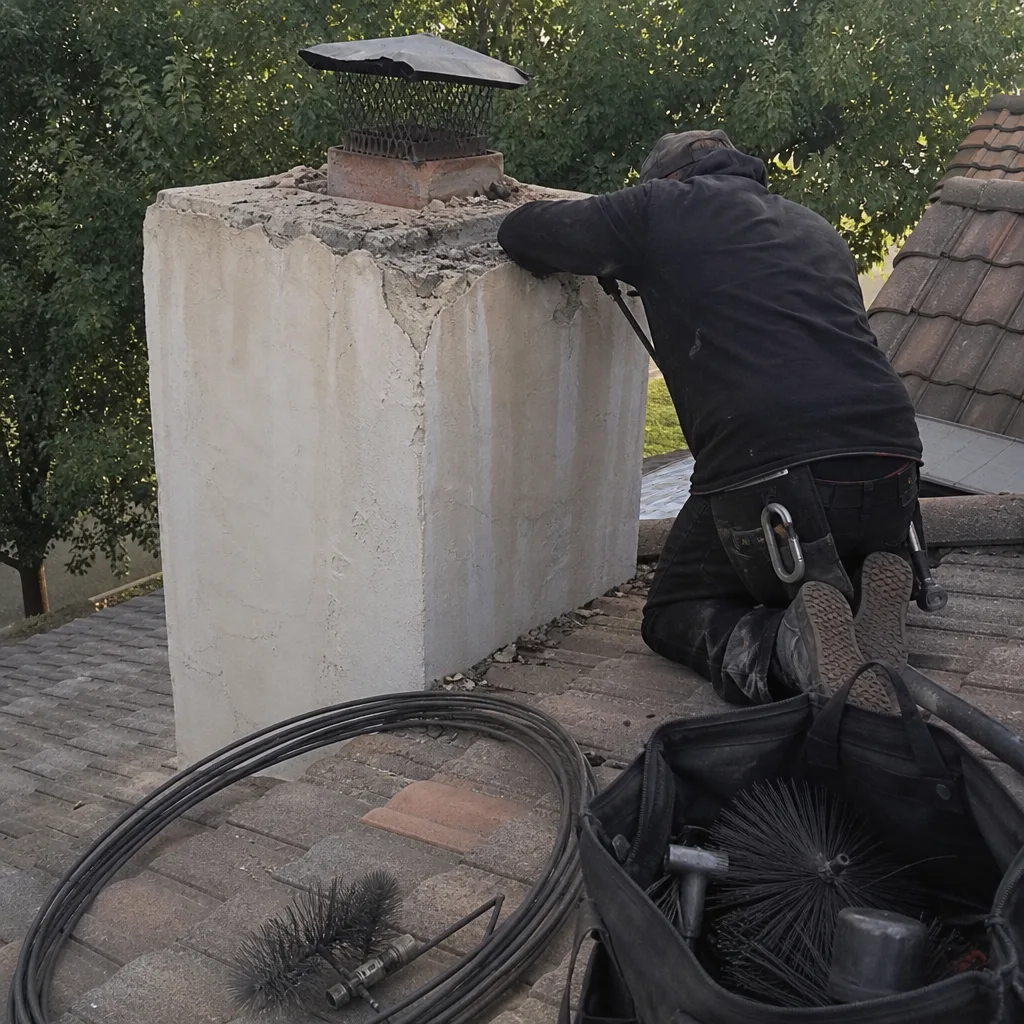 Before
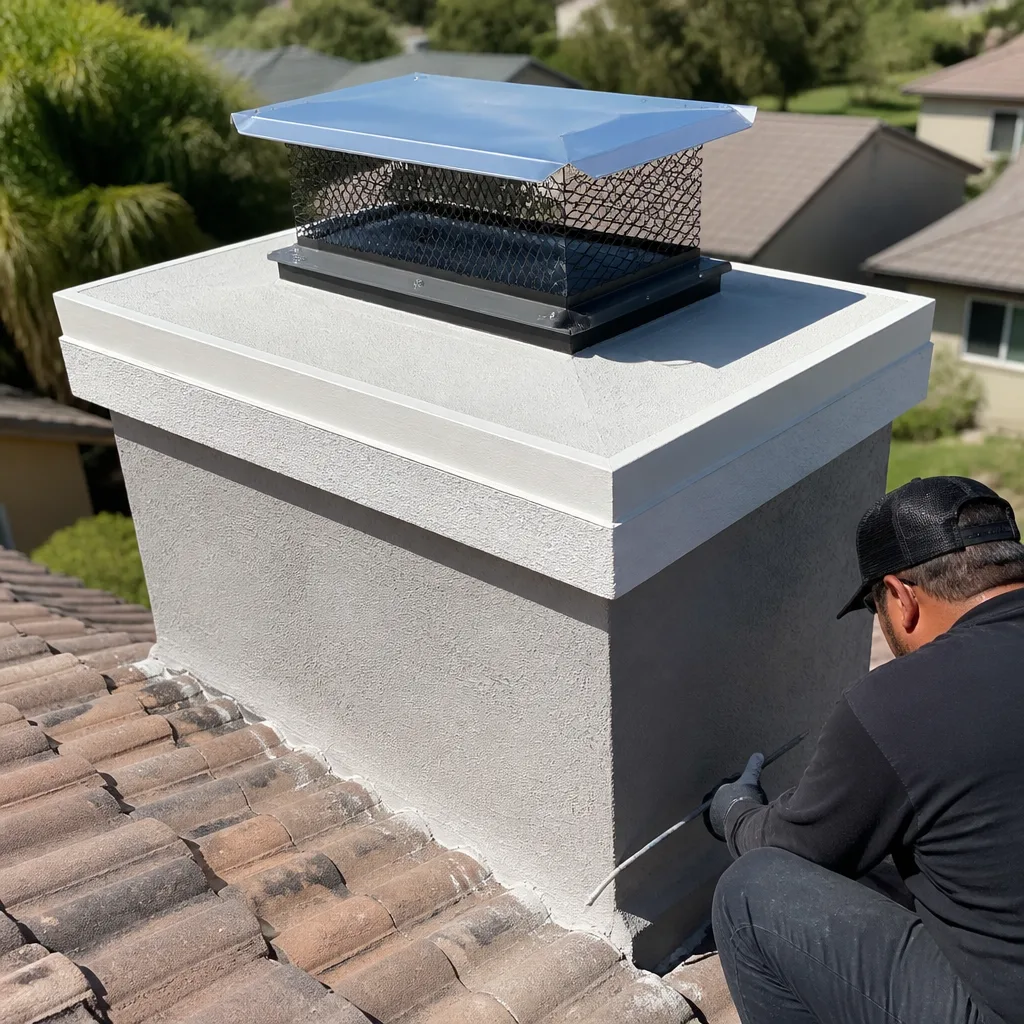 After
 Before
 After
 Before
 After