Last updated October 30, 2026
 Sweep & inspection
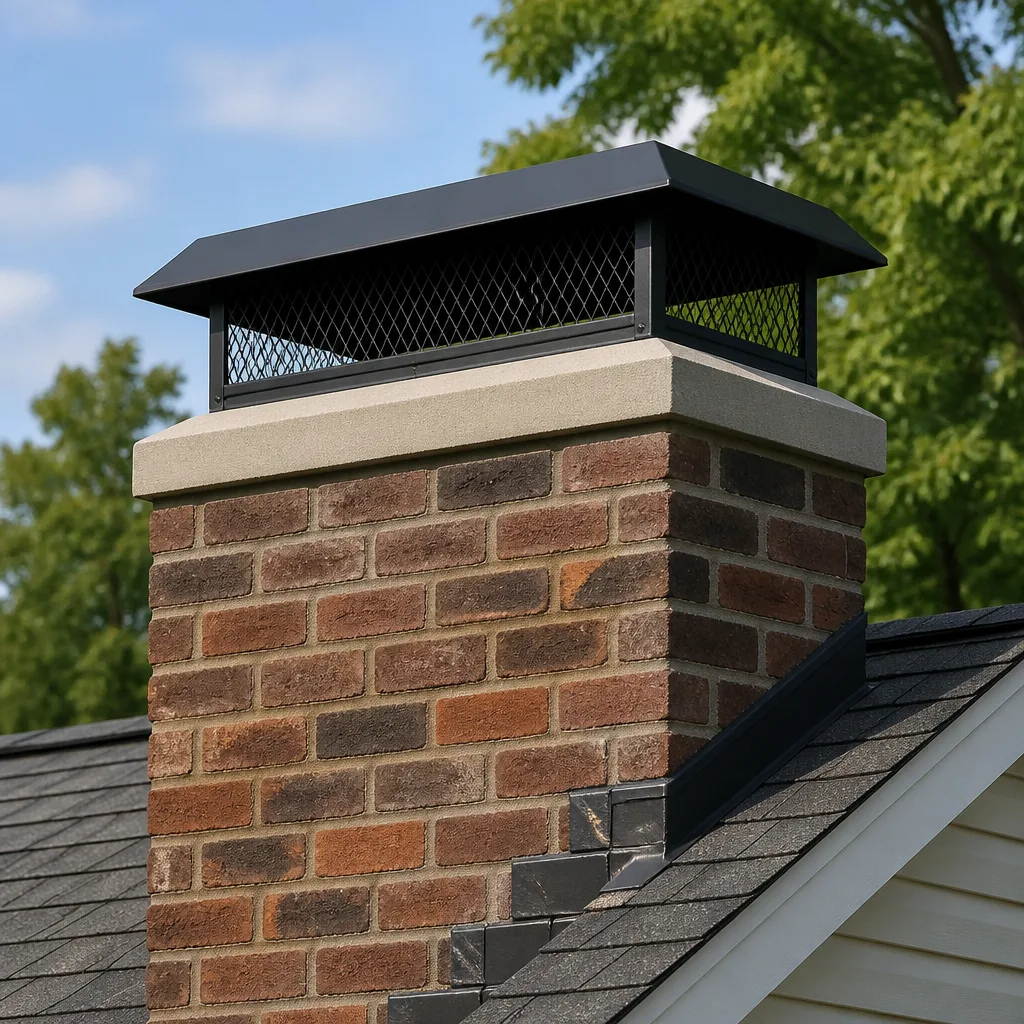 Caps & crowns
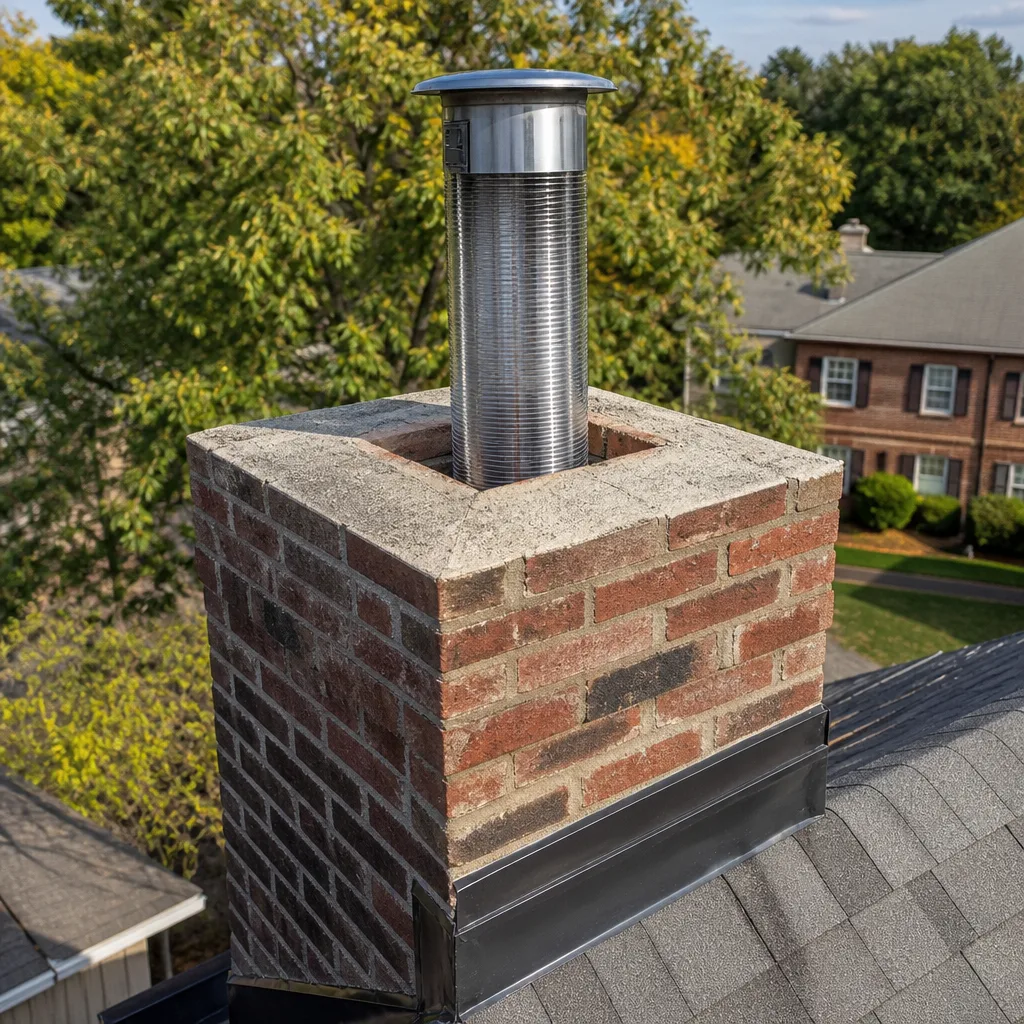 Flue relining
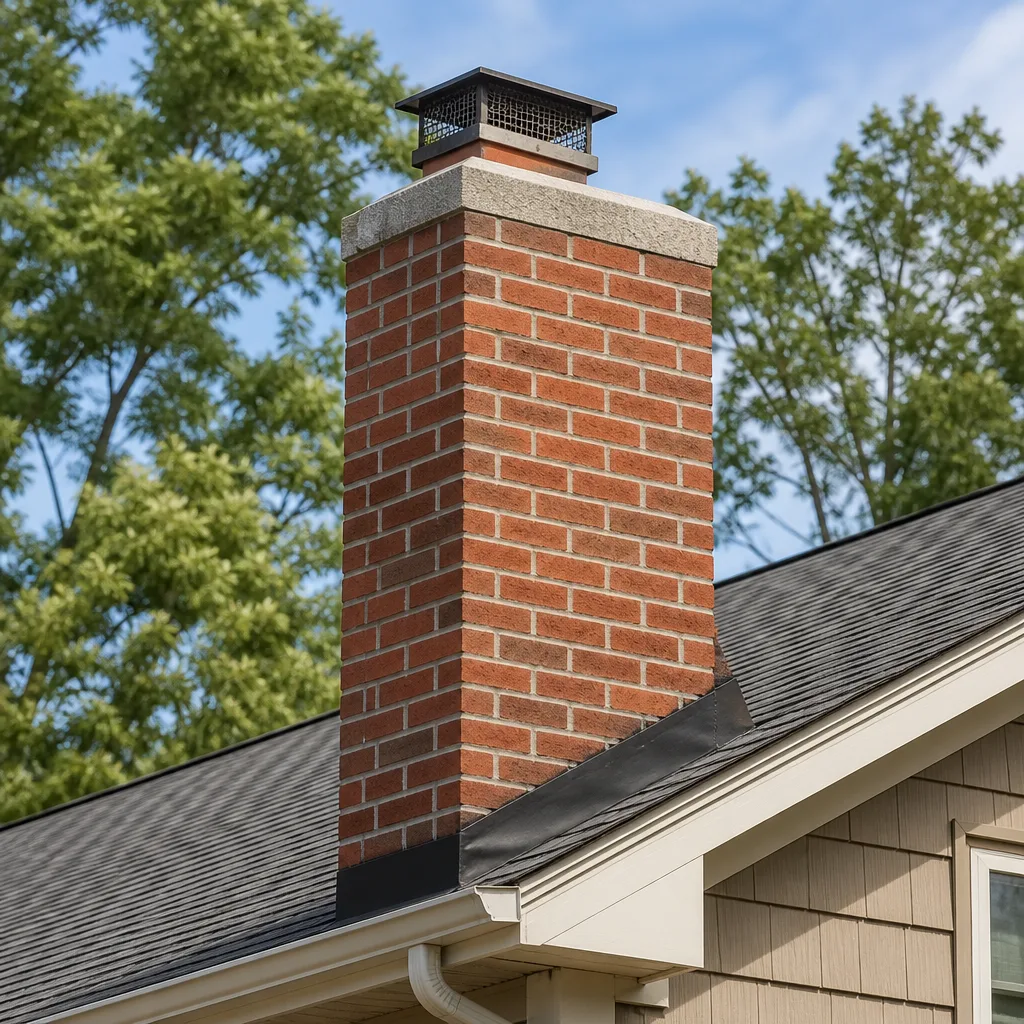 Masonry repair
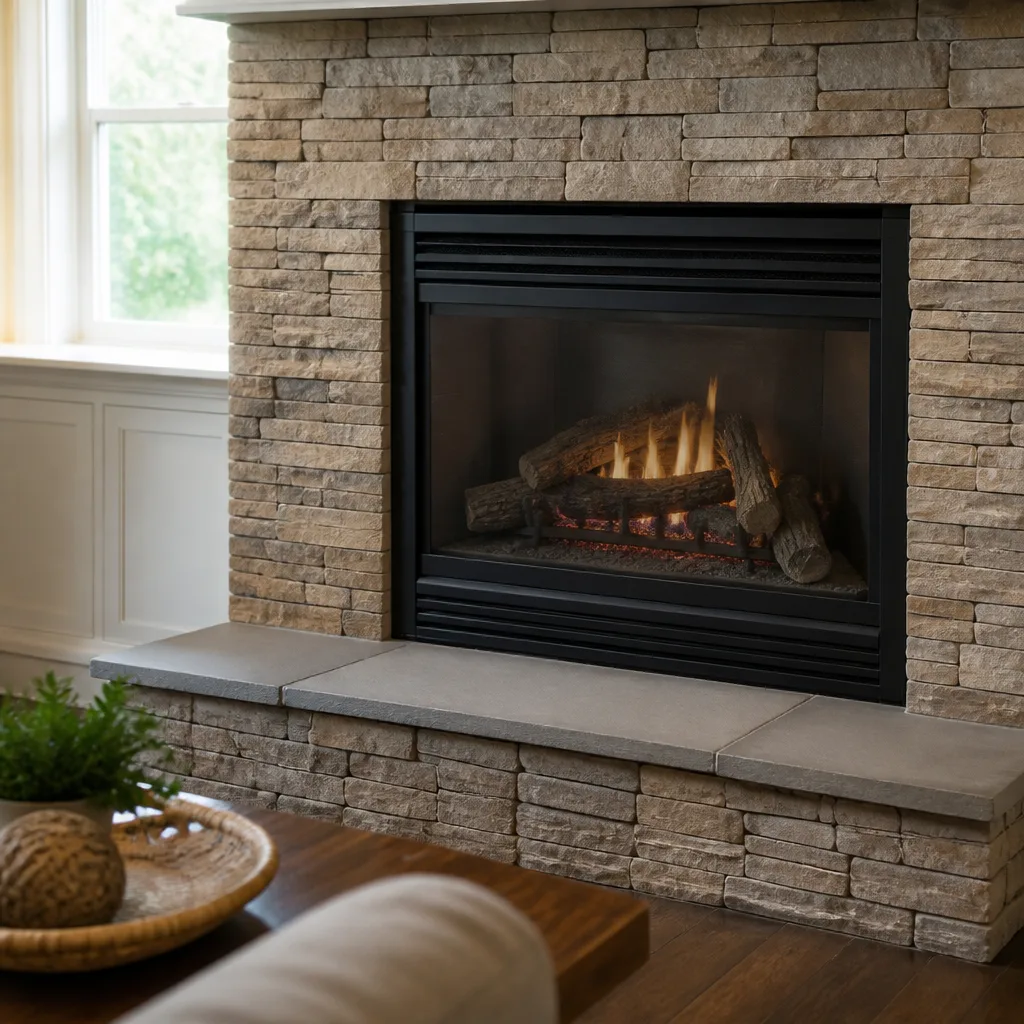 Gas fireplace service
Level 1 sweep and inspection to the NFPA 211 annual standard - flue, crown, cap, and flashing checked and photographed
Chimney sweep logs do not sweep chimneys. They loosen some creosote - which then falls where a brush and vacuum still have to collect it.
The Complete Chimney Sweep Guide for Temecula Homeowners
Here’s a number most Temecula homeowners find surprising: roughly 1 in 4 Southern California chimneys we inspect shows creosote buildup or flue damage that the owner didn’t know was there. The assumption is always the same: “We barely use the fireplace, so there’s nothing to clean.” But low-use chimneys in Temecula’s inland valley climate accumulate a different kind of hazard than high-use ones in colder states, and it’s one most guides never mention. This guide explains what actually builds up in a rarely used Temecula chimney, how the local climate changes the equation, when you need our Chimney Sweep services versus an inspection, and how to describe what you’re seeing so you don’t get sold work you don’t need.
Styles & brands we work with
Quick Answer
A chimney sweep in Temecula involves mechanical cleaning of creosote, soot, and debris from the flue and smoke chamber, plus a visual check of the chimney’s structure and clearances. In Temecula’s mild, low-use burn season, the real risk is often light glazed creosote and moisture intrusion in idle masonry, not the thick tar-like deposits common in colder states. Most Temecula homes with decorative or occasional-use fireplaces need a Level 1 inspection plus cleaning every 1 to 2 years, with a Level 2 inspection if the home has changed hands, changed fuel type, or shown visible spalling or staining. For a deeper dive, see The Complete Guide to Chimney Cleaning in Temecula.
Table of Contents
- What a Chimney Sweep Actually Does in Temecula
- The Creosote Problem No One Talks About in Mild Climates
- How the Marine Layer Affects Idle Chimney Masonry
- Level 1 vs. Level 2 Inspections: What Temecula Homes Actually Need
- How to Read Your Fireplace’s Draft Before Calling a Sweep
- Seasonal Timing: When Temecula Homeowners Should Schedule Service
- Liner Damage: When Cleaning Reveals a Bigger Problem
- Common Mistakes to Avoid
- When to Call a Professional
- Frequently Asked Questions
- The Bottom Line
What a Chimney Sweep Actually Does in Temecula
A professional chimney sweep is not a guy with a brush on a pole. The process involves mechanical agitation of the flue walls using properly sized wire or poly brushes, a HEPA-filtered vacuum system to control dust, and a hands-on inspection of the firebox, damper, smoke chamber, and crown. In our experience, the inspection portion matters more than the brushing in Temecula, because low-use fireplaces rarely accumulate thick deposits. What they do accumulate is subtle: hairline cracks, spalling brick faces, rusted dampers, and the early stages of glazed creosote that a basic visual check misses.
The sweep itself typically takes 45 to 90 minutes depending on flue height and condition. A standard cleaning addresses creosote at all three stages: dusty soot, flaky deposits, and the harder glazed material that requires more aggressive mechanical action or chemical treatment. Homeowners often ask whether a sweep includes the smoke chamber, and the answer is yes, any competent sweep addresses the full path from firebox to termination cap. The cap itself should be removed, cleaned, and checked for mesh damage. In Temecula, where wind can carry fine dust and ember material into the flue during the long dry season, cap condition matters more than in wetter climates.
What a sweep should never do is skip the structural assessment. The cleaning is the means; the inspection is the value. Oakridge Chimney Sweep treats every sweep as a full system check, because the cleaning reveals what’s underneath. If the flue walls show degradation during cleaning, that’s the moment to discuss repair options, not after the brush is packed up.
The Creosote Problem No One Talks About in Mild Climates
Most creosote education comes from cold-climate sources. They describe thick, tar-like deposits from daily wood burning in freezing weather. That description doesn’t match what Temecula homeowners actually face. Here, the typical pattern is a fireplace used 5 to 15 times per year, usually in December and January, often with oak or eucalyptus from local sources. Burns are short, fires are often allowed to smolder, and the chimney then sits idle for 8 to 10 months.
That specific pattern produces what we call light glazed creosote. It’s a thin, hard, shiny layer that forms when combustion temperatures stay low and the flue never gets hot enough to bake off the deposits. It doesn’t look dramatic. A homeowner glancing up with a flashlight sees a slightly shiny surface and assumes the chimney is clean. Standard visual checks miss it. But glazed creosote, even thin, is disproportionately flammable because it’s dense and concentrated. A chimney fire doesn’t need thick deposits. It needs the right surface temperature and ignition source.
Here’s the step-by-step progression we typically see in Temecula homes that skip service for 4 or more years:
- Year 1: Light soot deposits from a handful of fires. Harmless if swept. Most homeowners skip it.
- Year 2: Soot begins to bond with moisture in the flue, forming a thin glaze. Still visually unremarkable.
- Year 3: Glaze hardens. The flue walls feel like glass. Standard brushes struggle to remove it without chemical aids or specialized rotary tools.
- Year 4: The glaze thickens in the upper flue where temperatures are coolest. This is the point where a stray ember or a hot fire can ignite it.
- Year 5+: The flue opening narrows measurably. Draft weakens. The homeowner notices smoke in the room, calls for service, and learns the cleaning is now a restoration job, not a basic sweep.
The takeaway: in Temecula, the risk isn’t volume. It’s time. Deposits left in place through multiple dry summers bake and bond. The fix is straightforward: schedule service based on time since last cleaning, not on how many fires you think you’ve had. A chimney unused for 3 years needs inspection as much as one used weekly.
How the Marine Layer Affects Idle Chimney Masonry
Temecula sits in an inland valley, dry most of the year, but close enough to the coast that morning marine layer pushes through the passes on a regular schedule, especially in May and June. That humidity cycle matters for chimney masonry. Here’s why: brick and mortar are porous. They absorb moisture from the air during those humid morning hours, then bake under afternoon sun. Over months and years, that cycle causes micro-expansion and contraction in the mortar joints. Chimneys that sit idle have no internal heat driving moisture out, so the dampness lingers longer.
What we typically find in Temecula chimneys that haven’t been inspected in years is not dramatic structural failure. It’s subtle: hairline cracking at the crown, minor spalling on the brick faces, and mortar joints that have softened from repeated wet-dry cycles. None of it screams emergency. All of it gets worse if ignored, because once water enters the masonry, the next thermal cycle forces the crack wider.
There’s a second effect the marine layer creates. When humid air settles into a cold flue, it condenses on the creosote already present. That moisture mixes with soot to form an acidic slurry that attacks both clay tile liners and old mortar. It’s one reason why a chimney that looks dirty but harmless in March can show real deterioration by October. The damage happened during the idle months, not during the burn season.
Homeowners who grew up with fireplaces in genuinely wet climates often assume Temecula is too dry for moisture problems. The opposite is true: the wet-dry cycle is more destructive than constant dampness, because it stresses the material repeatedly. If you see white staining, flaking brick faces, or crumbling mortar on your chimney’s exterior, those are signs the cycle has been running for years. The fix starts with a proper inspection to see how far the moisture has traveled into the flue.
Level 1 vs. Level 2 Inspections: What Temecula Homes Actually Need
Chimney inspections come in three levels, defined by the National Fire Protection Association. Most Temecula homeowners only ever hear about Level 1, because that’s what’s included with a standard sweep. Level 1 is a visual check of the readily accessible portions of the chimney, interior and exterior. The sweep looks up the flue from below, checks the firebox and damper, walks the roof to check the crown and cap, and confirms basic clearances. If you’ve used the fireplace continuously and nothing has changed, Level 1 is generally adequate.
Level 2 is different. It adds video scanning of the flue interior, typically with a camera system that captures the full length of the chimney. Level 2 is required by code when a property changes ownership, when the fuel type changes (for example, converting from wood to gas), after a chimney fire, or when a structural event (earthquake, lightning strike, major weather event) may have affected the flue. Temecula is earthquake country. Even minor seismic events can shift flue tiles or crack firebox masonry without creating visible exterior damage. The Riverside County area has enough seismic activity that we recommend Level 2 inspection for any older home that hasn’t had a camera scan in the last decade.
Here’s the practical decision rule for Temecula homeowners:
- Level 1 is right for you if you have used the fireplace consistently for years, nothing has changed structurally, you have no visible damage, and you’ve had a sweep within the last 2 years.
- Level 2 is right for you if you bought the home in the last few years and don’t know the chimney’s history, you’re switching from gas to wood or wood to gas, you’ve seen water staining on interior walls near the chimney, or a licensed sweep has noted questionable flue condition on a previous visit.
- Level 3 is rare and reserved for cases where Level 2 reveals serious problems requiring demolition of portions of the chimney to assess. Most Temecula homes never need it.
The honest answer is that most decorative fireplace owners in Temecula need a Level 1 sweep plus cleaning every 1 to 2 years, and a Level 2 scan when the home changes hands or when symptoms appear. Anything less is guesswork. Anything more is usually unnecessary.
How to Read Your Fireplace’s Draft Before Calling a Sweep
Half the value of a service call is being able to describe the problem accurately. When a homeowner says “the fireplace is acting weird,” the sweep has to start from zero. When a homeowner says “the draft is weak on startup and smoke spills into the room for the first 10 minutes,” the problem is already half diagnosed. Here’s how to read your draft and airflow so you can give a useful report.
First, understand what normal draft looks like. A properly functioning chimney pulls air upward at a rate that keeps smoke moving smoothly out. You should be able to hold a match or lighter near the open damper and see the flame bend toward the flue, even before a fire is lit. That’s your baseline. If the flame doesn’t bend, or worse, if air pushes down into the room, you have a draft problem.
The most common draft problem in Temecula is temperature inversion. Because our winters are mild, the air outside the chimney is often warmer than the air inside the flue after a long idle period. Cold, heavy air sits in the flue and blocks the upward path. When you light a fire, smoke has nowhere to go but into the room. The fix is often as simple as opening a window slightly (to balance indoor and outdoor pressure) and warming the flue with a pre-heated fire roll or a lit piece of newspaper held up near the damper for 60 seconds before lighting the main fire.
If you’ve pre-warmed the flue and the fireplace still won’t draft, the likely culprits are, in order of frequency:
- Closed or partially closed damper. Check it. Sounds obvious, but dampers in older Temecula homes stick or rust in place.
- Clogged spark arrestor cap. Fine soot and windblown debris accumulate on the cap mesh during the long dry season.
- Flue narrowing from creosote or debris. A narrowing flue increases friction and weakens draft, especially in the late evening when temperatures drop.
- Competing exhaust systems. If your range hood or bathroom fans are running, they depressurize the house and fight the fireplace for air. In tight modern homes, this is a common issue.
- Structural restriction. A damaged flue tile or a dislodged liner creates a physical obstruction. This requires a Level 2 inspection to diagnose.
If you can describe which of these patterns matches what you’re seeing, your sweep arrives with a working theory instead of a blank slate. That saves time, and time is money in a service call.
Seasonal Timing: When Temecula Homeowners Should Schedule Service
Here’s the counterintuitive part: the best time to schedule a chimney sweep in Temecula is August or September, not November. November is when everyone calls, because the first cold evening triggers fireplace nostalgia. That means November and December are peak season, and peak season means longer wait times and less scheduling flexibility.
There’s a specific reason August makes sense. In Temecula, the summer months bake the creosote and moisture out of the flue, leaving deposits dry and brittle. That’s ideal for mechanical cleaning. A dry flue releases creosote more easily than a damp one, and the sweep can achieve a cleaner result in less time. By early fall, as the marine layer returns and humidity rises, the same creosote becomes stickier and harder to remove completely.
There’s also the fire season factor. Southern California’s wildfire restrictions affect contractor availability in two ways. First, some fire districts issue advisories or restrictions on certain equipment during high-fire-danger days, which can delay roof work. Second, fire season preparation consumes the attention of homeowners, and chimney service tends to drop down the priority list until the first cold snap. By booking service in August, you avoid both the contractor backlog and the tail end of the high-fire-risk window.
One more seasonal note. If you own a gas fireplace in Temecula, the same logic applies. Gas fireplaces produce less visible residue, but they accumulate dust, pet hair, and fine debris in the log set and burner ports. A gas unit that’s been idle since March deserves a service check before the first winter use, not after you’ve already smelled something odd on lighting.
Liner Damage: When Cleaning Reveals a Bigger Problem
Here’s the conversation every honest sweep has had with a Temecula homeowner: the cleaning went fine, but the flue is compromised. The clay tile liner is cracked, or the mortar joints between tiles have eroded, or the liner has spalled in sections. The homeowner’s first question is always the same: “Do I really need to fix that?”
The answer depends on what the damage actually is. A hairline crack in a clay tile is not automatically an emergency, but it is a pathway for heat and gases to reach the surrounding masonry. Over repeated heating cycles, that crack widens. Once gases move through the liner, the brickwork behind it begins to deteriorate, and the chimney becomes a fire risk. The fix is a liner repair or replacement.
This is where Oakridge Chimney Sweep’s positioning matters. Many sweep-only companies will clean your chimney, note the liner damage, and refer you to a masonry contractor who then refers you to another company for the actual liner work. The homeowner ends up coordinating three vendors and three timelines. Oakridge handles the full path: the sweep, the liner assessment, and the repair. For more guides & resources on chimney care, visit our blog. We work with HeatShield and DuraFlex products for liner restoration and replacement, which means we can address the problem on the same property without a referral chain.
HeatShield is a ceramic coating system that restores damaged flue liner joints and cracked sections without full demolition. It’s appropriate for many older Temecula chimneys where the structure is sound but the liner surface has deteriorated. DuraFlex flexible liner systems are used when the original flue is offset, irregular, or too damaged for coating. Flexible liners can navigate older flue geometries that rigid liners cannot. The choice between restoration and replacement is made on a case-by-case basis after camera inspection, and the homeowner sees the footage so they can verify the recommendation independently.
What we tell homeowners is this: if a contractor recommends a liner replacement without camera evidence, get a second opinion. If the contractor shows you the video and walks you through what it means, you can trust the recommendation even if the price is significant. The difference is verifiable evidence versus a sales pitch.
Common Mistakes to Avoid
- Skipping service because “we never use it.” The most frequent mistake in Temecula, and the one that leads to the most expensive repairs. Idle chimneys still collect moisture, debris, and glazed creosote. Time, not usage, is the main driver of deterioration.
- Burning unseasoned or treated wood. Wood from local sources like oak and eucalyptus needs proper seasoning before burning. Eucalyptus in particular produces heavy, oily smoke when green, and that accelerates glazed creosote formation. Never burn pressure-treated lumber or painted wood; the chemicals released are corrosive and toxic.
- Using the fireplace as a trash incinerator. Burning wrapping paper, cardboard, or household waste creates large flakes of lightweight debris that can lift up the flue while still burning and ignite a roof or nearby vegetation. Temecula’s dry summers make this riskier than in wetter regions.
- Closing the damper too soon after a fire. A common habit on cold evenings. Coals that are still smoldering release carbon monoxide. The damper should stay open until the fire is fully out and the ashes are cool to the touch.
- Letting small cracks go. “We’ll fix it next year” is how a $400 masonry crack becomes a $4,000 structural problem. The wet-dry cycles in Temecula’s climate mean cracks don’t stay small.
- Hiring the cheapest sweep and skipping the inspection. A low-ball quote usually means the company is brushing the easy part and skipping the roof walk, the camera scan, or the structural check. The cleaning is the smaller part of the value; the inspection is what prevents fires.
- Assuming a gas fireplace needs no service. Gas units have venting systems, log sets, burner ports, and thermocouples that all wear. A gas fireplace should be inspected and serviced every 1 to 2 years, just like a wood-burning system.
When to Call a Professional
Call a professional chimney sweep if you notice any of the following: smoke spilling into the room despite a fully open damper, a strong campfire-like smell that persists when the fireplace is not in use, visible flaking or white staining on the exterior brick, a rusted or stuck damper, water dripping into the firebox, or a chimney fire (which sounds like a low rumble or a roaring train and emits thick, black smoke). Also call if the home has changed hands and you don’t have documentation of the last chimney inspection. If you’re switching fuel types or you’ve noticed a weakening draft despite cleaning the cap and pre-warming the flue, the problem is likely deeper than a basic sweep can address. Oakridge Chimney Sweep offers free estimates in Temecula, call (866) 563-3051 to book a service visit or ask a question.
Frequently Asked Questions
A standard chimney sweep in Temecula typically runs between $200 and $500 depending on flue condition, roof accessibility, and whether the home has a standard masonry fireplace or a more complex system. A Level 2 camera inspection adds $150 to $300 in most cases. Prices vary based on the home’s age and any previous damage. Call (866) 563-3051 for an exact quote, estimates are free.
Every 1 to 2 years for active wood-burning fireplaces, and every 3 to 5 years for gas or decorative fireplaces that see minimal use. Temecula’s long idle periods mean even low-use chimneys should not go longer than 5 years without a visual inspection and cleaning.
Many liners in Temecula homes can be restored rather than replaced. The decision hinges on whether the damage is surface-level or structural. HeatShield restoration can address cracked flue tiles and eroded mortar joints when the underlying structure is sound. DuraFlex replacement is needed when the flue is too degraded or offset for a coating system. Always ask for camera footage to verify the recommendation.
In Temecula’s climate, the most common outcome is light glazed creosote that’s difficult to see but highly flammable, combined with moisture intrusion that damages masonry during idle periods. Over 4 to 5 years without service, the flue narrows, draft weakens, and the chimney becomes a fire and smoke risk. The damage compounds; it doesn’t stay static.
Yes, though for different reasons than a wood-burning system. Gas fireplaces accumulate dust, pet hair, and fine debris in the log set and burner ports, and the venting system needs to be checked for leaks and blockages. A gas fireplace should be inspected and serviced every 1 to 2 years. Call (866) 563-3051 to schedule. Also ask about dryer vent cleaning while you’re at it; both fire-hazard sources are covered in one visit.
That smell is accumulated dust and debris burning off the log set and firebox surfaces. It’s common in Temecula where fireplaces sit idle for 8 to 10 months, but if the smell persists beyond the first hour of use, or if you smell it when the fireplace is off, call a professional. A persistent campfire smell is often a sign of moisture in the flue, creosote buildup, or a draft issue. If the smell is strong or is accompanied by visible smoke spill into the room, stop using the fireplace and call (866) 563-3051.
The Bottom Line
Temecula’s climate creates a specific set of chimney conditions that most guides don’t address. Low-use fireplaces produce thin, glazed creosote that’s hard to see and disproportionately flammable. The marine layer’s wet-dry cycle stresses masonry during the idle months. Mild winters mean infrequent burns, which means time, not usage, is the main variable. The right service interval for most Temecula homeowners is every 1 to 2 years for wood-burning systems, with a Level 2 inspection on home purchase or any major change. The best time to book is August or September, before the fall rush. If you want a professional assessment Oakridge Chimney Sweep home serves the Temecula area with full-scope chimney service, from sweep to repair, including liner restoration and replacement when needed. Our Chimney Sweep in Coto De Caza service mirrors the Temecula approach, and our Dryer Vent Cleaning in Coto De Caza service addresses the other leading household fire-hazard source. For any repair, from cracked liners to damaged caps, our Chimney Repair in Coto De Caza page explains the process. Something easy to overlook: dryer lint is as dangerous as chimney creosote. Clearing your vent once a year prevents a fast-moving duct fire. Call (866) 563-3051 for a free estimate.
Written by the team at Oakridge Chimney Sweep, serving Temecula since 2011.
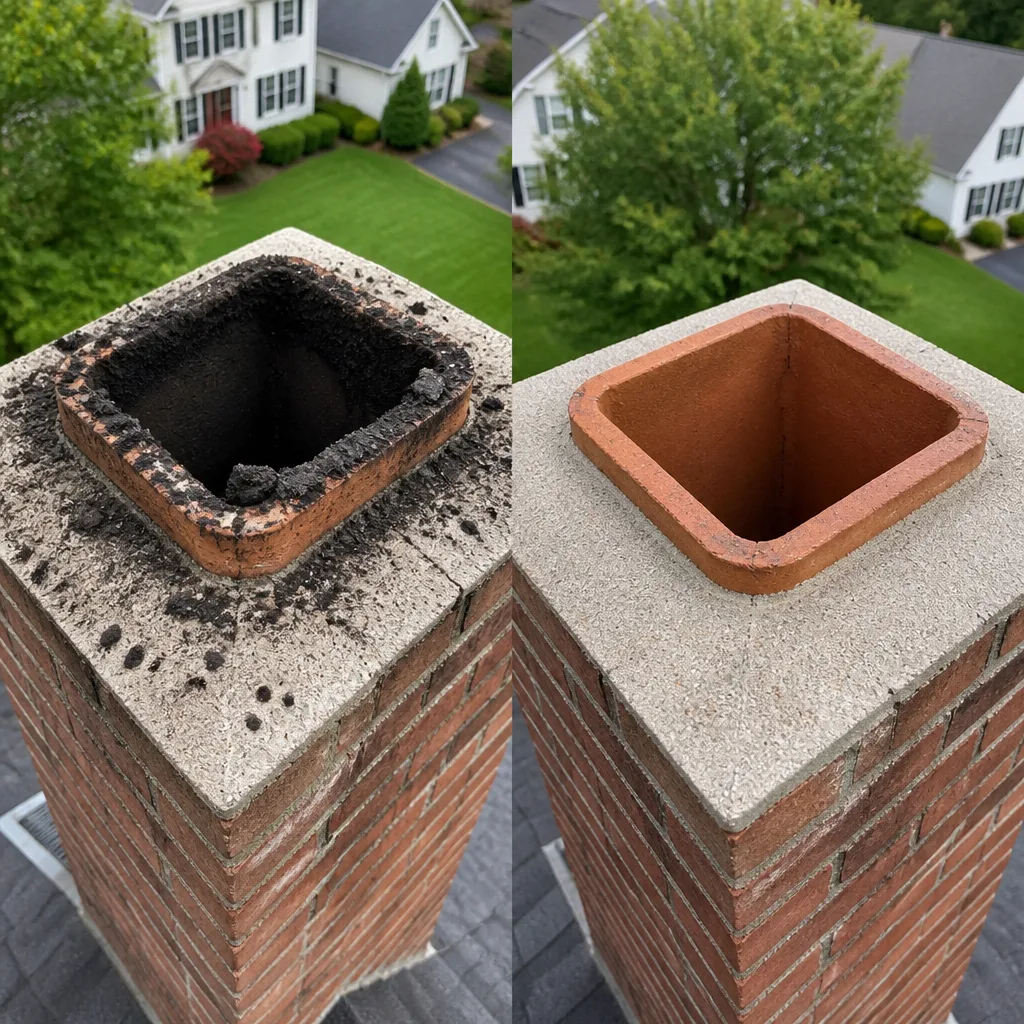
See the difference
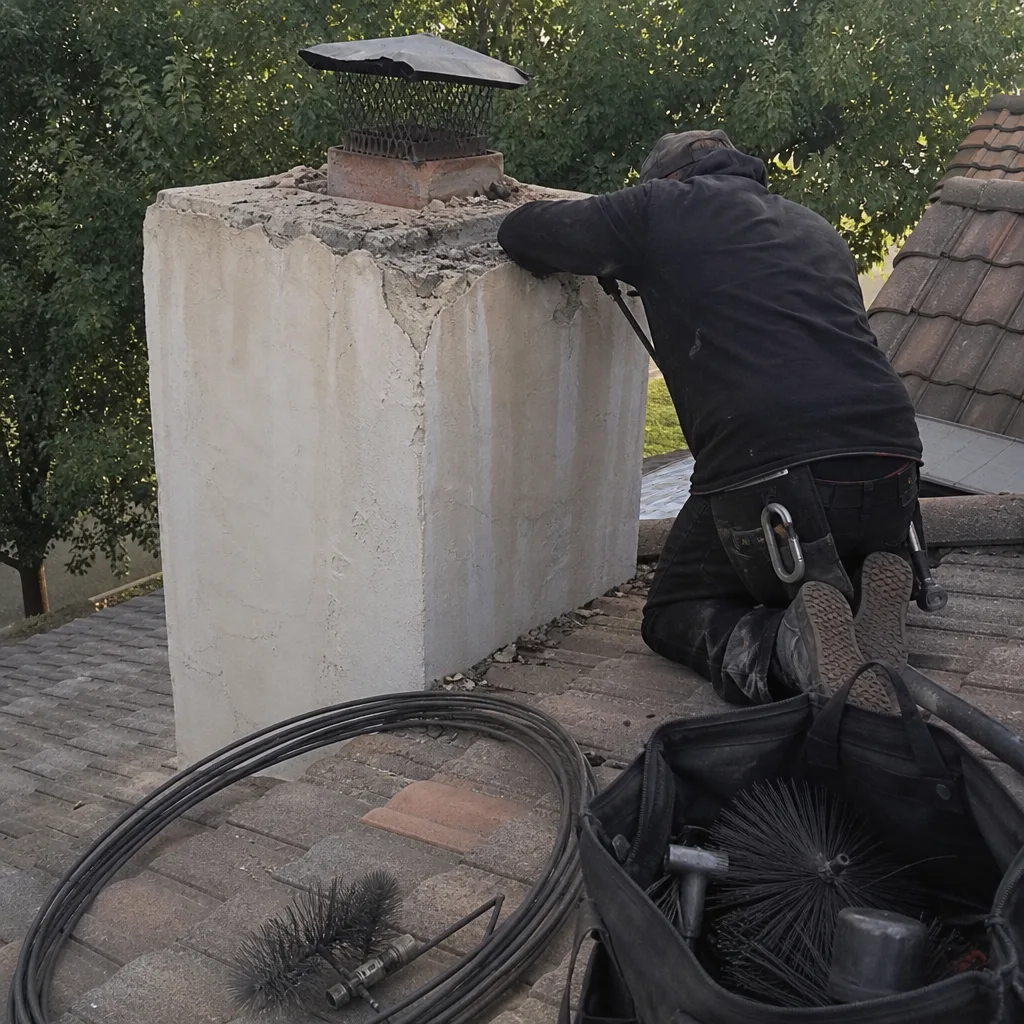 Before
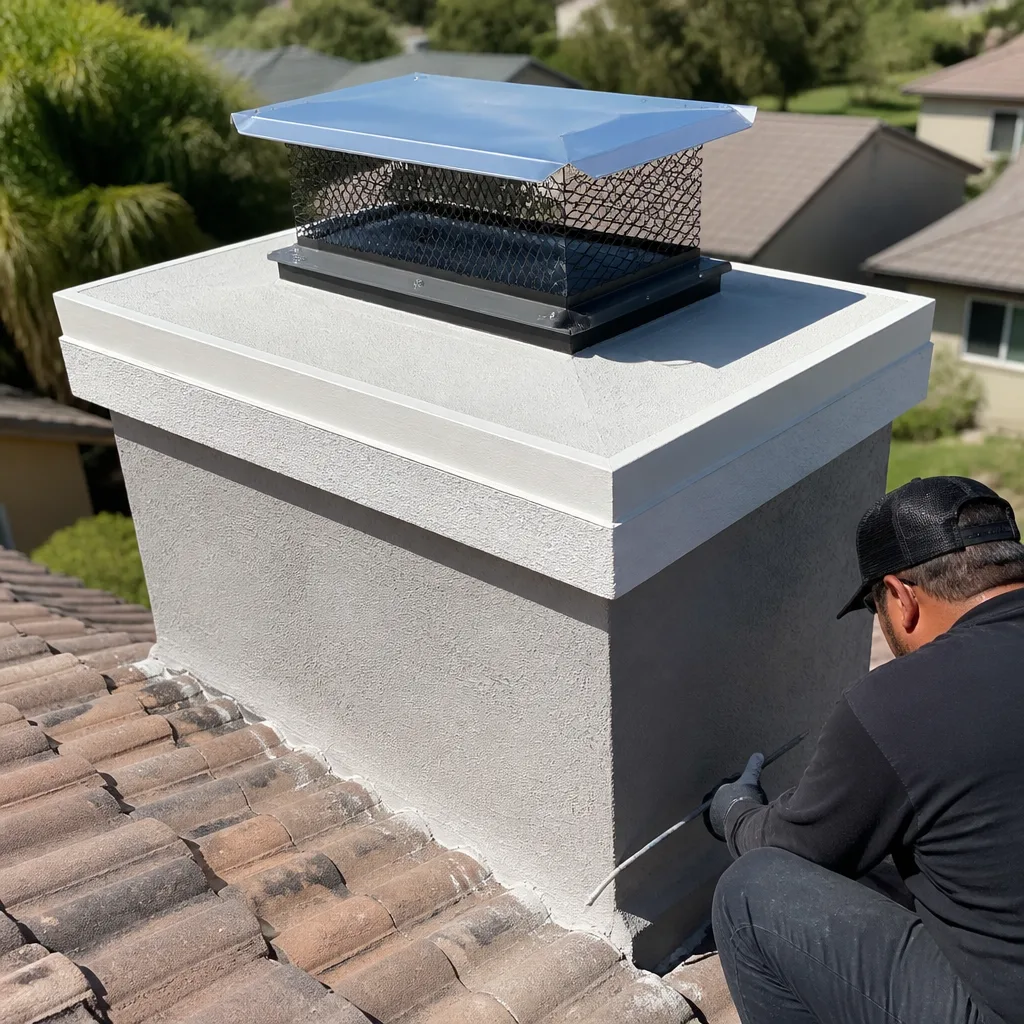 After
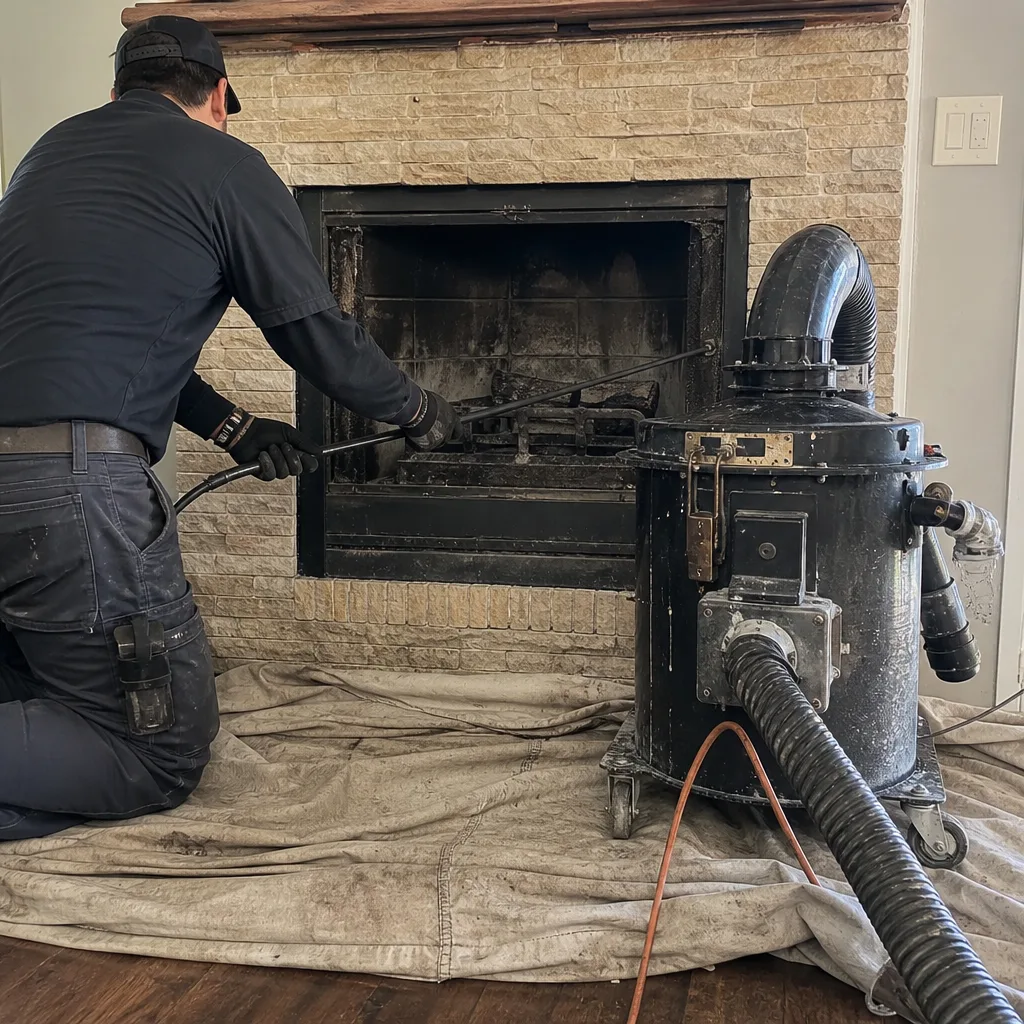 Before
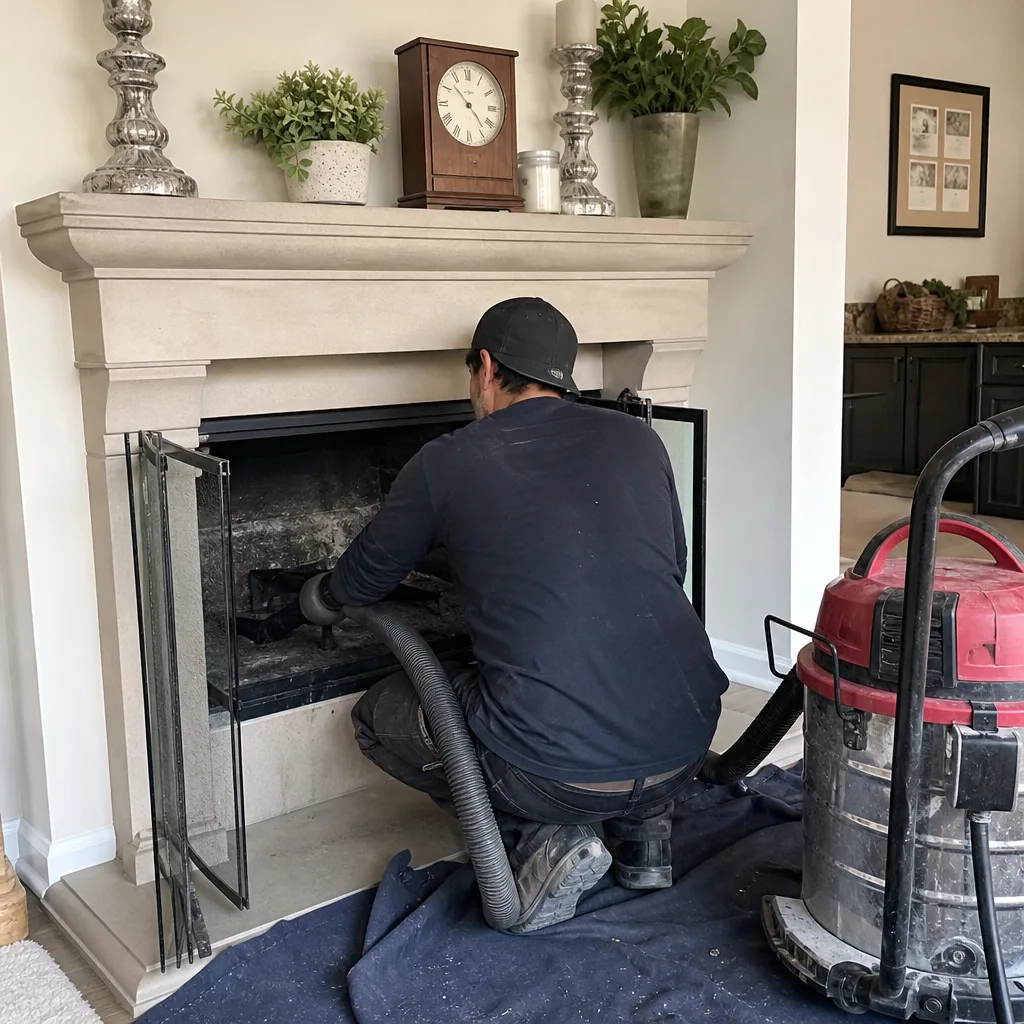 After
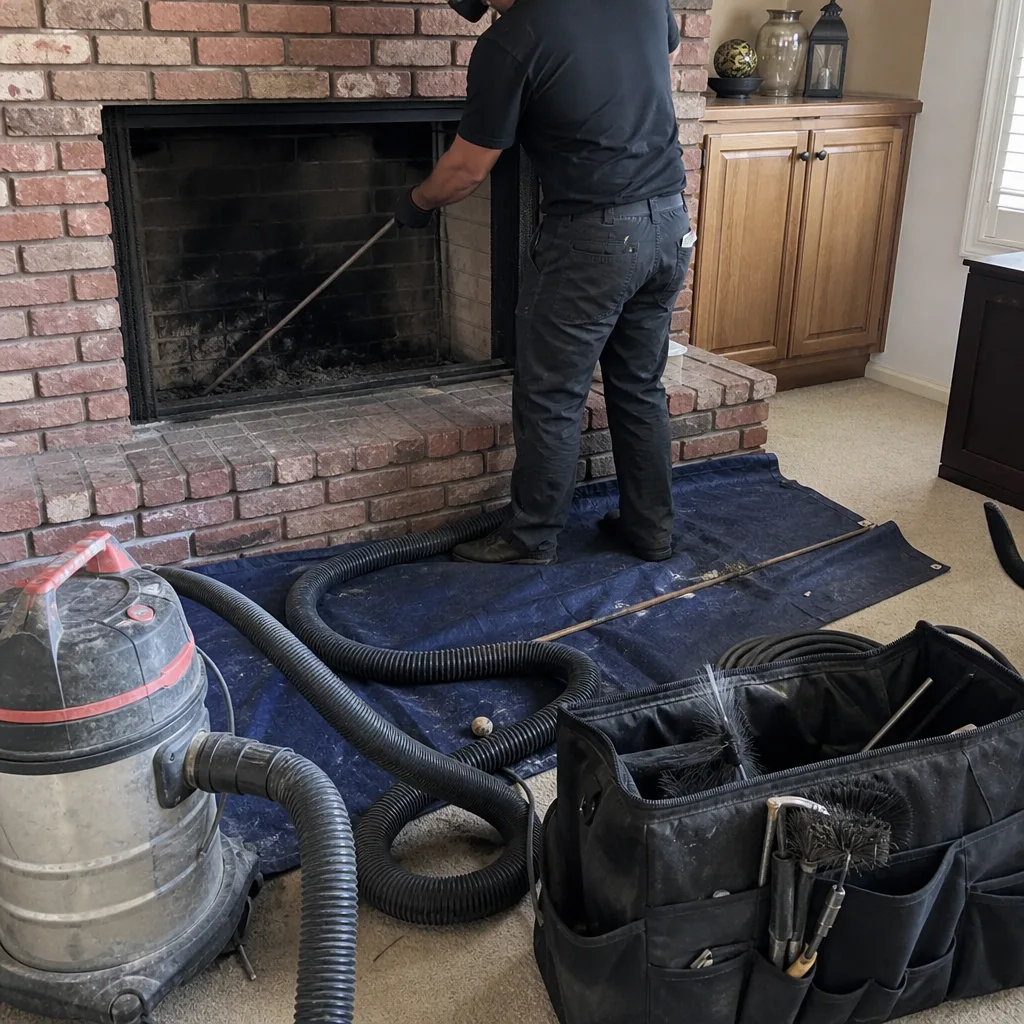 Before
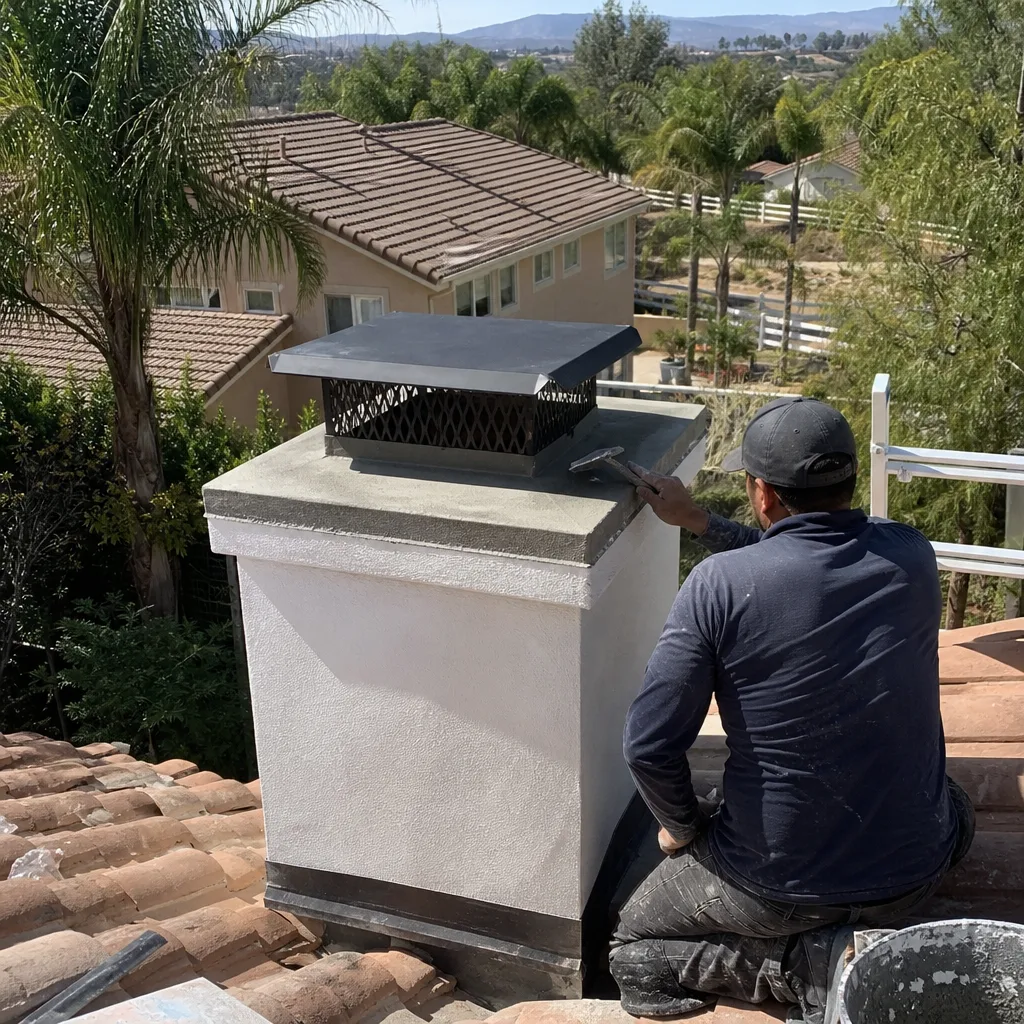 After