
Last updated October 30, 2026
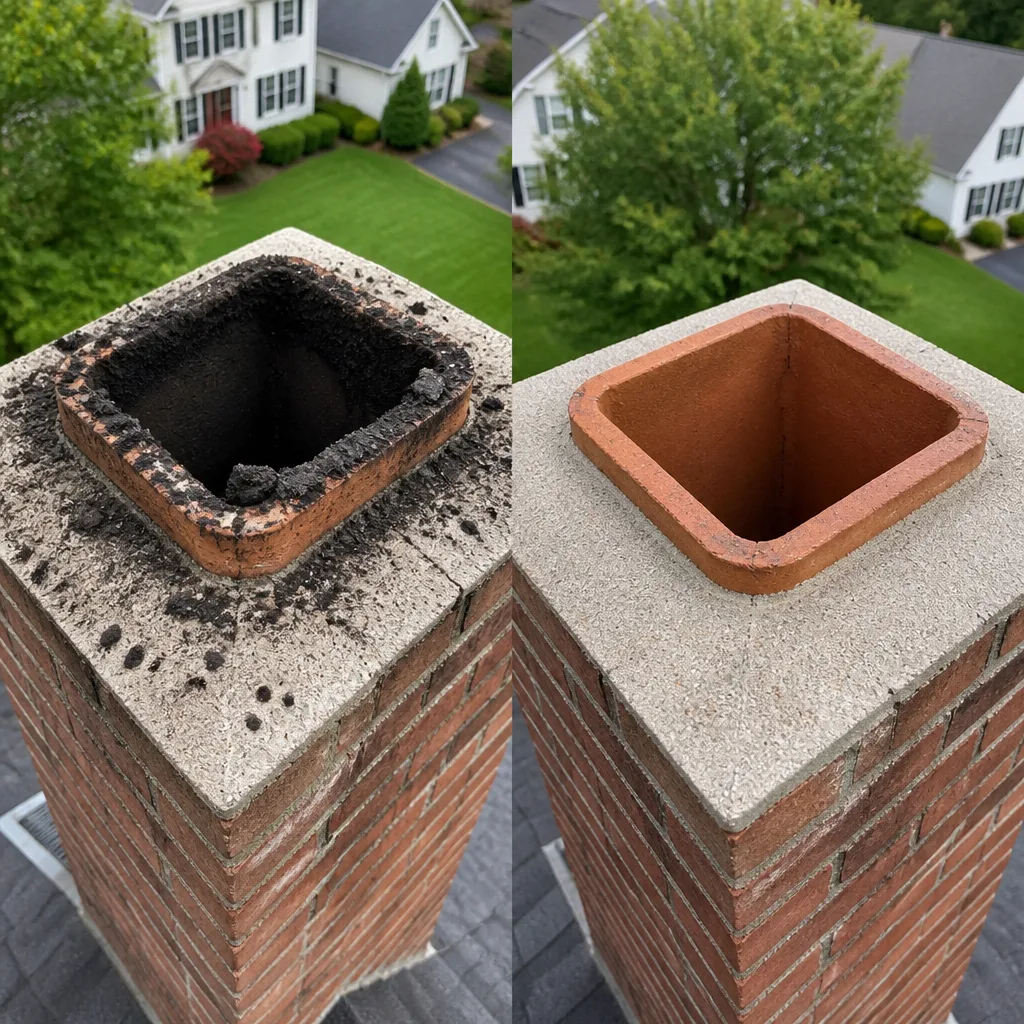 Sweep & inspection
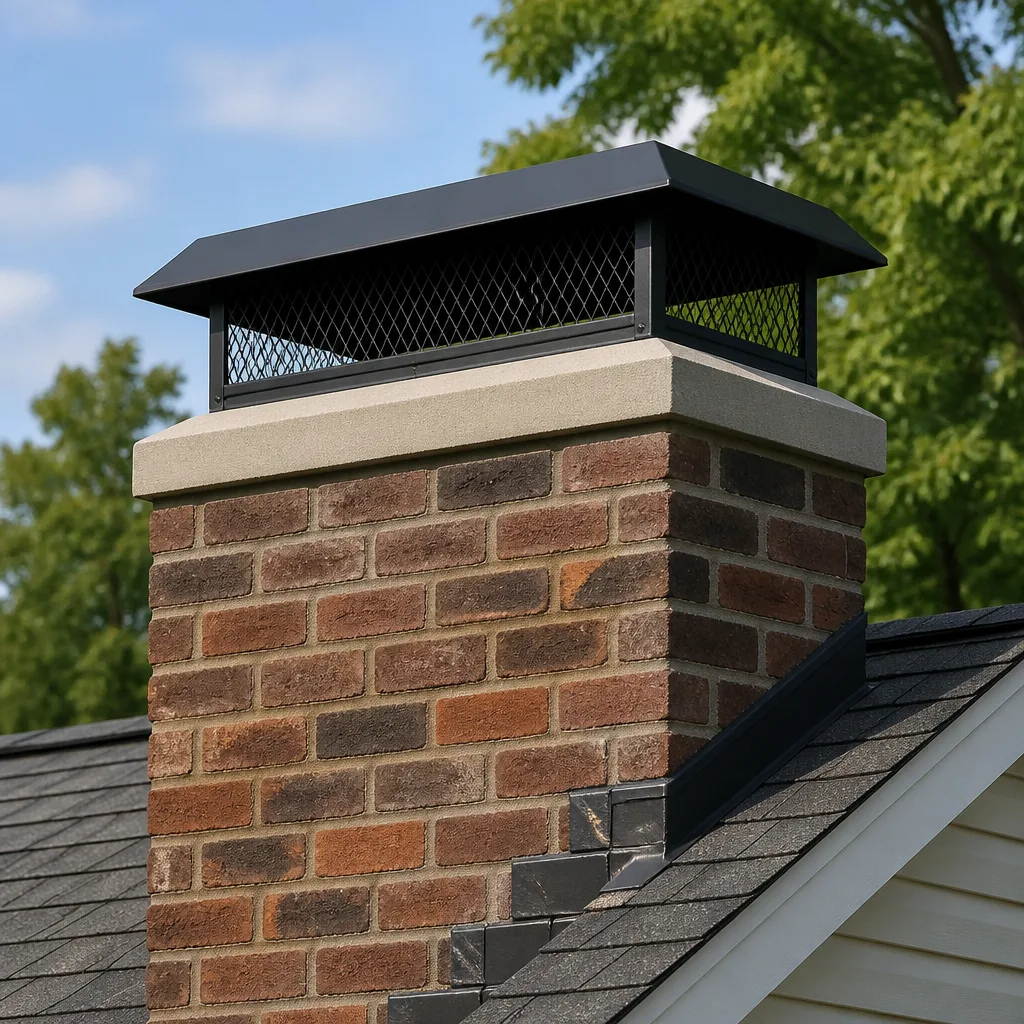 Caps & crowns
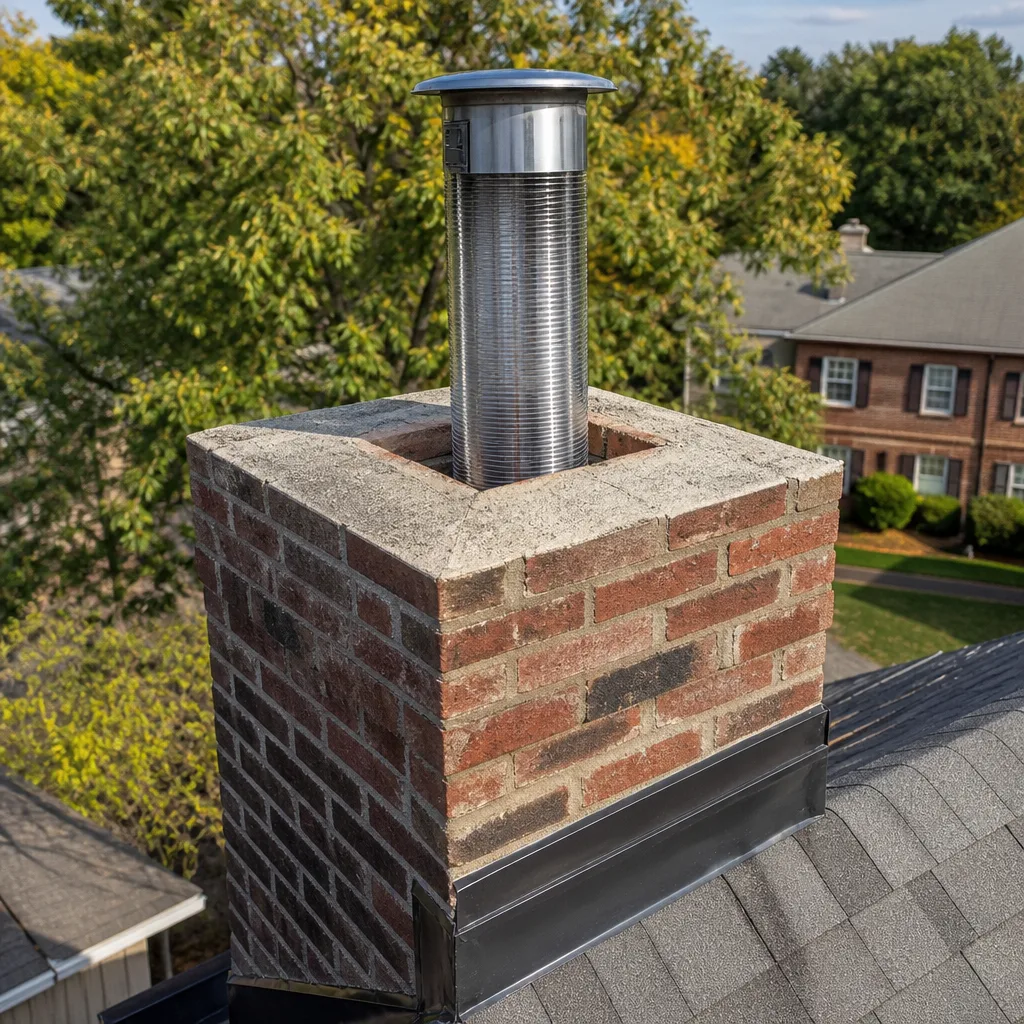 Flue relining
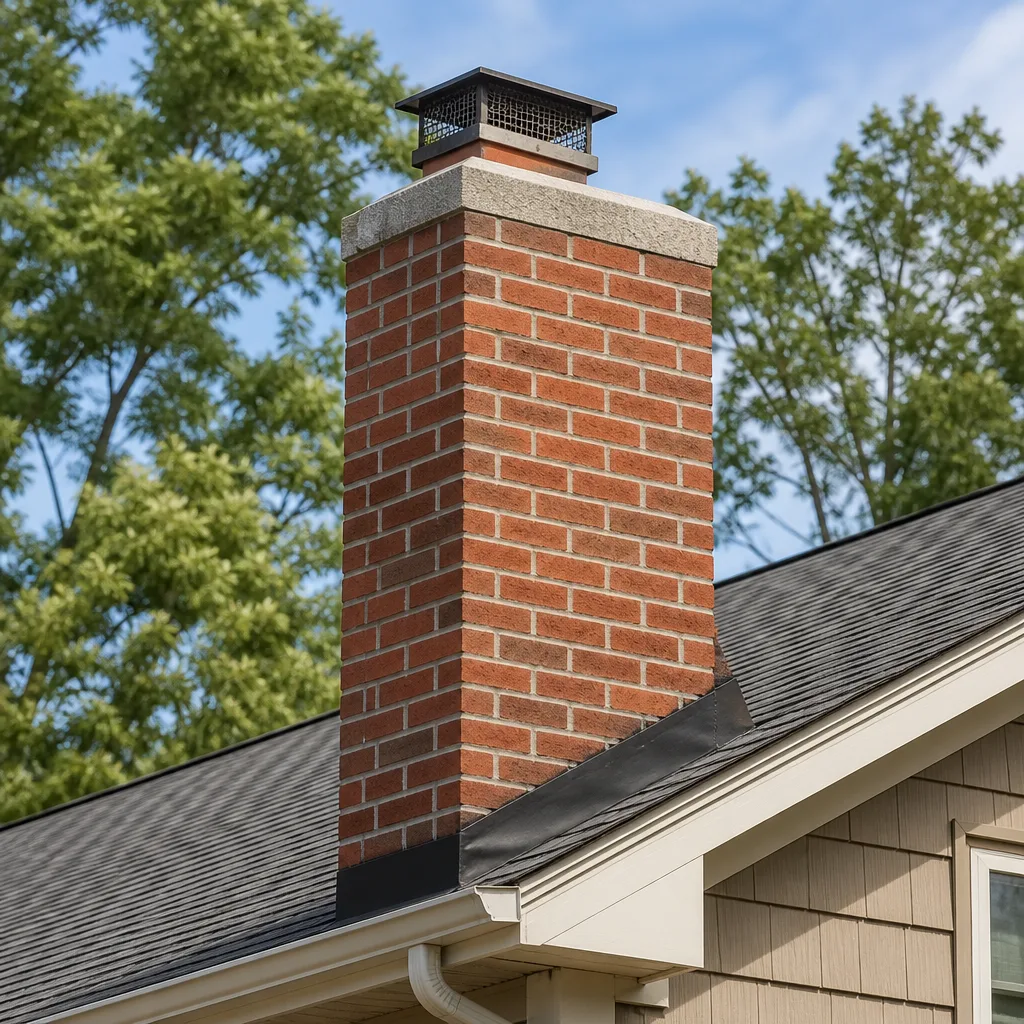 Masonry repair
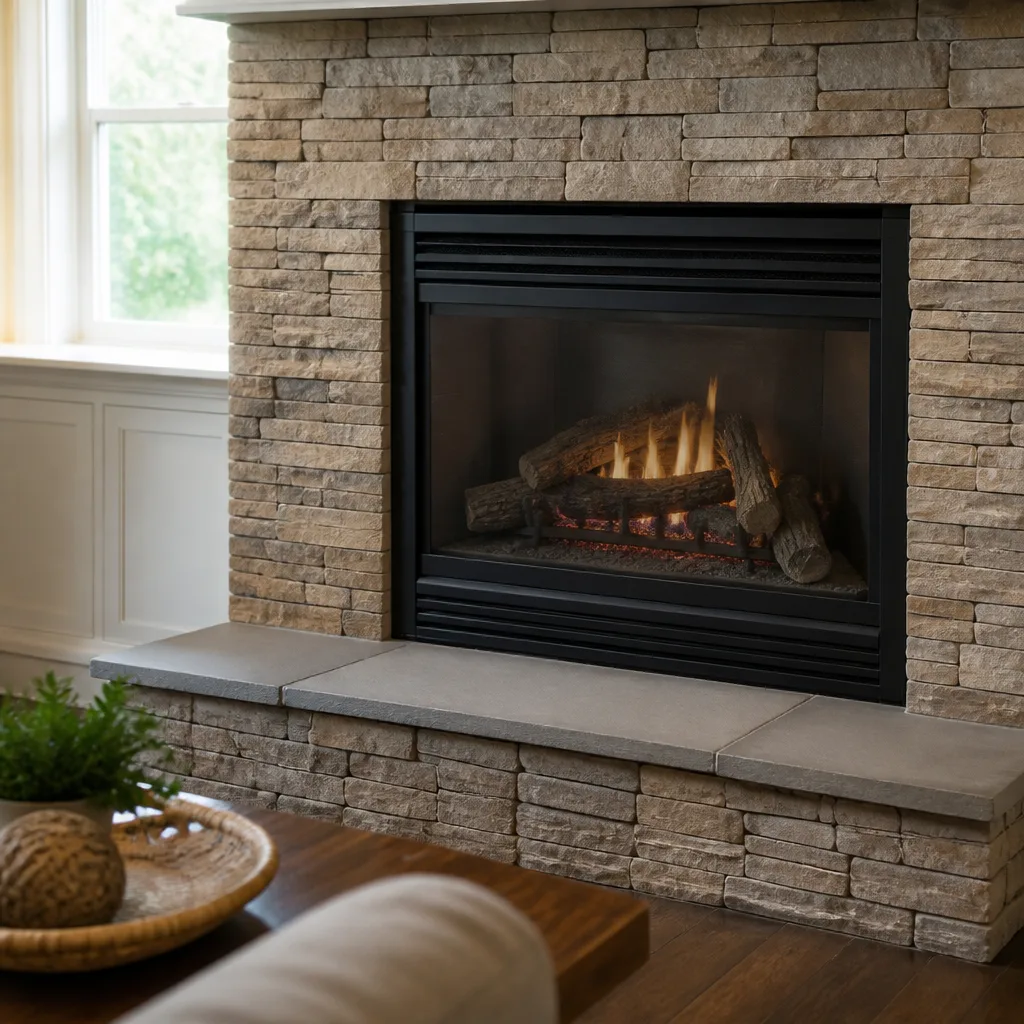 Gas fireplace service
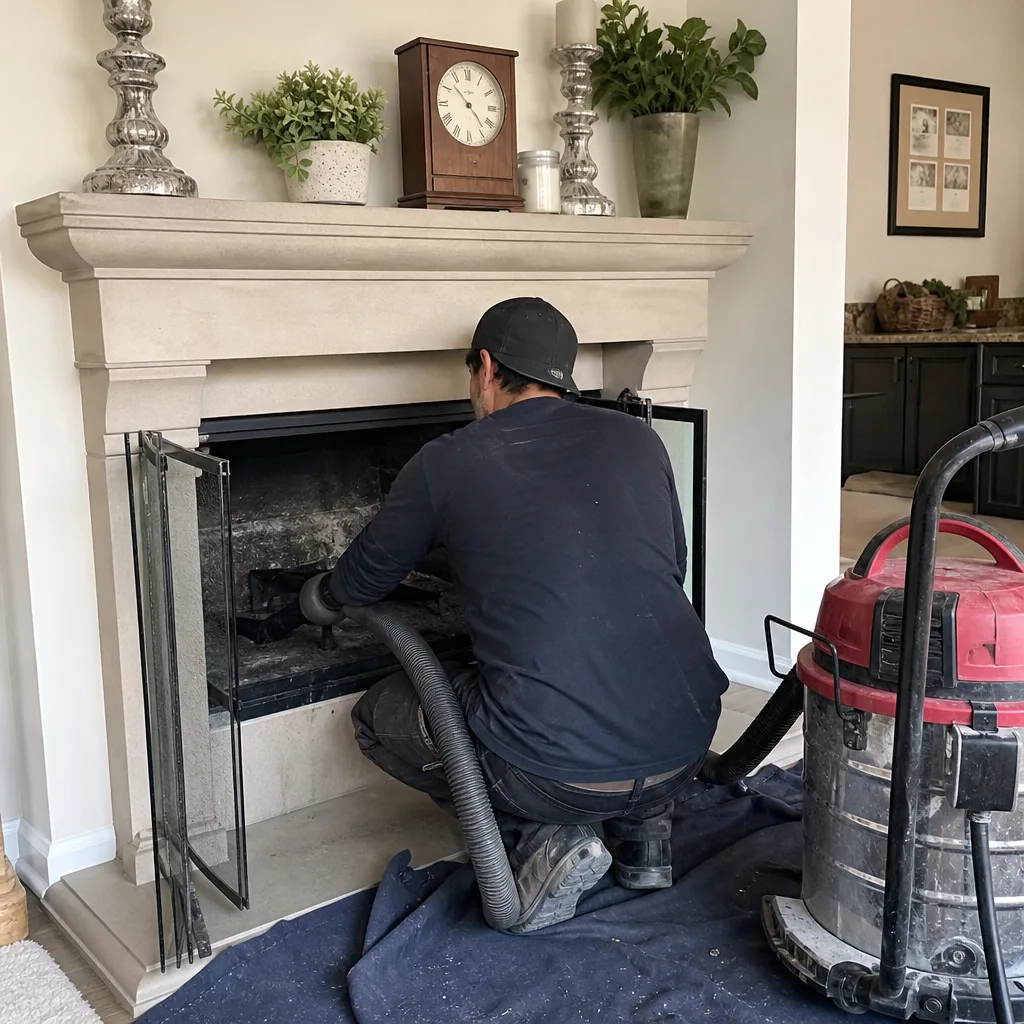
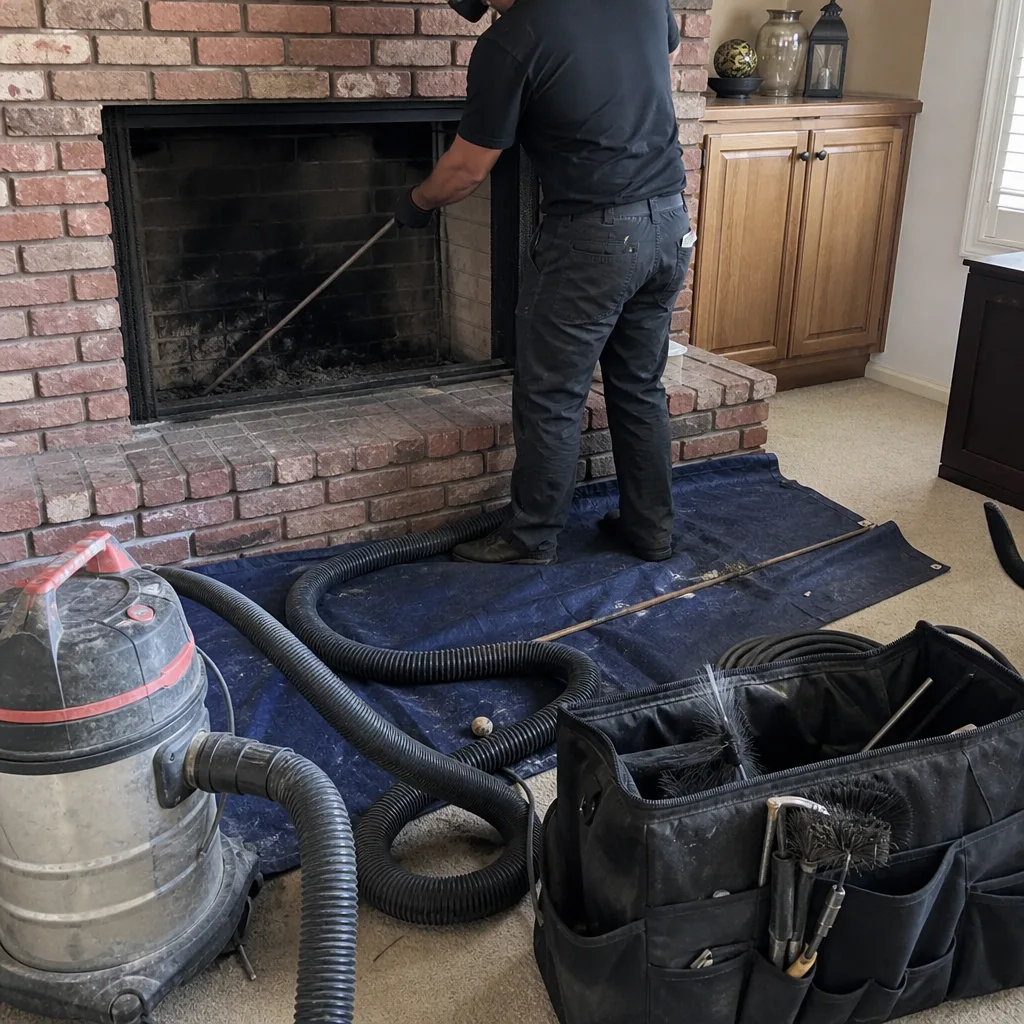
Level 1 sweep and inspection to the NFPA 211 annual standard - flue, crown, cap, and flashing checked and photographed
Chimney sweep logs do not sweep chimneys. They loosen some creosote - which then falls where a brush and vacuum still have to collect it.
Chimney Sweep Troubleshooting: Common Problems and How to Fix Them
Most chimney problems that look like one thing are actually something else. A homeowner in Temecula calls us about a smoky fireplace, convinced the flue is clogged, when the real issue is a cold flue on a mild Southern California evening that never gets cold enough to establish proper draft. That distinction matters because the fix is completely different, and treating the wrong cause leaves the actual problem untouched. This guide walks through the diagnostic chain for common chimney complaints, what you can safely check yourself, and where a Chimney Sweep with a camera inspection saves you from guessing.
Quick Answer
Most chimney problems fall into four root causes: draft failure, creosote buildup, flue liner damage, or animal intrusion. The fix depends on which one you actually have, and the cheapest way to find out is a visual inspection followed by a sweep and camera check if the problem persists. For The Complete Chimney Sweep Guide for Temecula Homeowners and more detail on this process, see our dedicated resource. Spray-on deodorizers and log-position tweaks rarely solve the underlying issue, because smoke and odor problems usually originate inside the flue, not at the firebox.
Styles & brands we work with
Table of Contents
- Smoke in the Room: Why Your Fireplace Backdrafts
- The Cold Flue Problem: Draft Failure in Mild Climates
- Creosote Odor and Smoky Smells in Warm Weather
- Animal Intrusion vs. Creosote: How to Tell the Difference
- Masonry Problems That Disguise Themselves as Draft Issues
- Slow-Burning Fires and Poor Heat Output
- Gas Insert Troubleshooting: Soot, Odor, and Shutdowns
- What to Check Yourself vs. What Requires a Professional
Oakridge Chimney Sweep’s Oakridge Chimney Sweep home page covers our full service scope in detail.
Smoke in the Room: Why Your Fireplace Backdrafts
When smoke rolls into the living room instead of up the chimney, the immediate reaction is to assume a blockage. Sometimes that’s true, but more often in Temecula homes the cause is a pressure or temperature problem that no amount of cleaning will fix on its own. The diagnostic chain runs in a specific order: damper position, flue temperature, house pressure, then physical obstruction. You check them in that sequence because each one is easier to rule out than the next.
Start with the damper. A damper that’s partially closed, warped, or disconnected from its handle creates turbulence that pushes smoke backward. Open it fully and confirm you can see daylight or feel air movement before lighting anything. If the damper plate is rusted in place or the handle spins without resistance, the plate has likely separated from its mounting bracket, and smoke will continue to roll out no matter how clean the flue is.
Next, warm the flue before adding fuel. A flue that’s colder than the room air will not draw. Hold a lit roll of newspaper up inside the firebox near the damper opening for thirty to sixty seconds. If smoke from that newspaper also spills into the room, you have a draft reversal, not a dirty chimney. In that case, open a window near the fireplace by an inch or two. Exhaust fans, range hoods, and furnace blowers create negative pressure inside the house, and the fireplace becomes the path of least resistance for makeup air. That incoming air pushes smoke back down the flue. A window breaks the pressure lock and lets the flue establish proper flow direction.
Only after those three checks should you consider blockage. If the flue warms up, the house pressure is balanced, the damper is fully open, and smoke still backs into the room, then you’re likely looking at creosote restriction, a collapsed flue liner section, or animal nesting debris. At that point a physical inspection is the next step, and it requires tools most homeowners don’t keep in the garage.
The Cold Flue Problem: Draft Failure in Mild Climates
A cold flue is the leading cause of smoke rollout in Southern California homes that light fires infrequently. Here’s the counterintuitive part: it’s not the outside temperature that matters most, it’s the temperature difference between the flue interior and the room air. Temecula winter evenings often sit in the 40s and 50s, which feels cold enough for a fire, but a masonry chimney that’s been absorbing that cool air all day is only marginally warmer than the outside. Fire needs a temperature differential to move air up the flue, and a 50-degree flue against a 68-degree living room barely creates one.
The problem compounds in homes where the fireplace is used once a month or less. The chimney never holds residual warmth, the air inside it stratifies, and the first fire of the evening fights against a column of dense, cool air sitting in the flue. The fix is the newspaper preheat described above, but there’s a longer-term consideration too. Homes in Temecula with chronic cold-flue problems often have oversized flues relative to the firebox opening. A 13-by-13-inch flue serving a small prefab fireplace will never maintain adequate velocity, and no amount of preheating fully corrects that. The permanent fixes are a flue liner sized to the appliance, or an insulated liner system that holds heat better.
Gas fireplaces have a version of this problem too. A gas insert that’s been off for weeks produces a weak pilot draft, and the first ignition cycle can spill combustion byproducts briefly before the venting warms. If you smell gas or exhaust in the first minute of operation and it clears after that, cold flue is the likely culprit. If it doesn’t clear, shut the unit off and have the venting inspected.
Creosote Odor and Smoky Smells in Warm Weather
A homeowner buys a $40 chimney deodorant spray to fix a smoky smell. The spray masks the odor for a week, the smell returns, and they buy another bottle. The problem is that the smell isn’t surface residue, it’s pyrolysis byproduct embedded in the creosote layer on the flue liner walls. When outdoor humidity rises or the house cools to a certain point, that creosote releases volatile compounds that drift down through the damper. No spray penetrates creosote. The fix is removal, not masking.
Creosote forms in stages. First-stage creosote is a flaky, ash-like deposit that brushes off easily with standard sweeping tools. Second-stage is a tar-like glaze that requires rotary cleaning with chains or scrapers. Third-stage is a hardened, glassy coating that often requires chemical treatment before mechanical removal will work. The stage you have determines whether a standard sweep solves the odor problem or whether it needs additional work. In Temecula, homes that burn soft woods like pine or eucalyptus typically develop second-stage glaze faster, because those species burn cooler and produce more unburned particulates.
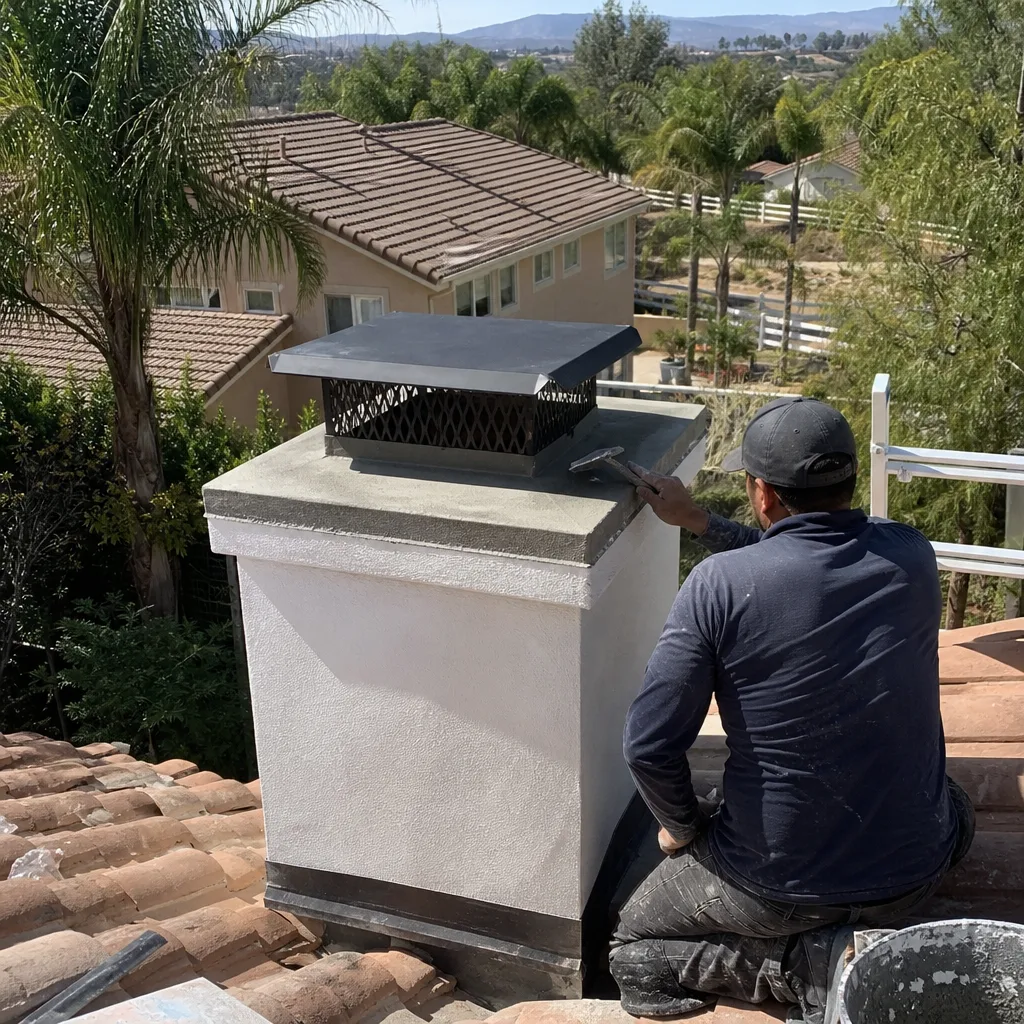
The other warm-weather odor source is a missing or misaligned chimney cap. Without a properly fitted cap, rain enters the flue, mixes with creosote residue, and produces a damp, acrid smell that’s often described as “wet campfire.” A cap with the wrong screen mesh size can also trap debris against the flue opening, holding moisture and organic material right where the draft picks it up. We stock Olympia Chimney caps and routinely find that a properly sized replacement eliminates the odor when a sweep alone doesn’t fully resolve it.
Animal Intrusion vs. Creosote: How to Tell the Difference
Animal debris and creosote buildup smell different, look different, and require different treatment. Knowing which one you’re dealing with before anyone arrives saves a diagnostic visit, and it tells you whether the problem is urgent or can wait for a standard appointment.
Distinguishing characteristics to check:
- Smell: Creosote has a sharp, chemical, asphalt-like odor that intensifies with humidity. Animal nesting material smells organic, musty, and often slightly sweet or ammonia-like if raccoons or squirrels have been present. Bird droppings add a sour note.
- Debris at the firebox: Creosote falls as dark flakes, granules, or glossy chips. Nesting material includes twigs, grass, leaves, bits of insulation, and animal fur. If you see varied organic matter mixed together, it’s an animal nest, not combustion residue.
- Sound travel: Scratching, rustling, or chirping sounds coming from the chimney chase or flue wall indicate a live animal still inside. Creosote makes no sound. If you hear activity, don’t light a fire, which can trap or kill the animal and produce a secondary odor problem that’s far worse.
- Location: Creosote concentrates on the upper third of the flue where gases cool and condense. Animal nests typically sit on the smoke shelf, just above the damper, or directly on top of the chimney cap area.
In Temecula, the most common intruders are raccoons in the spring and swifts in the summer months. A capped chimney prevents both, but a damaged cap flute or missing spark arrestor leaves an opening they’ll exploit. Once the animal is confirmed out, the debris must be physically removed before the chimney is used, because nesting material is usually drier and more combustible than most creosote deposits.
If you’re in the area and need this assessed, our Chimney Sweep in Coto De Caza page covers what a sweep includes.
Masonry Problems That Disguise Themselves as Draft Issues
Three masonry problems produce symptoms that homeowners consistently misread as draft or cleanliness issues. They’re invisible from the firebox, they worsen gradually, and they rarely show up on a standard visual inspection from the roof unless you know what to look for.
Hairline flue cracks. Masonry flue liners expand and contract with each heating cycle. Over years, hairline cracks develop in the liner joints, usually starting near the top where temperature swings are most extreme. These cracks allow smoke and gases to escape into the chimney chase instead of exiting through the top, which reduces draft velocity and can push combustion byproducts into wall cavities. The symptom is a fireplace that burns “lazy” with weak flame pull and occasional smoke puffs, even when the chimney was swept weeks earlier. Hairline cracks don’t show up without a camera inspection.
Deteriorated smoke shelf. The smoke shelf sits between the firebox and the flue, and its job is to deflect downdrafts and catch falling debris. When the shelf’s mortar degrades, or when years of creosote and animal debris compact into a solid mass, the shelf stops doing its job. Smoke eddies in the firebox instead of being directed upward, and the fire struggles to establish a consistent draw. The symptom is intermittent backdraft that seems random, worse on breezy days, and completely absent on still ones.
Missing or damaged damper plate. The damper plate is the difference between a chimney that seals when not in use and one that leaks conditioned air year-round. A warped plate, corroded hinge, or plate that’s detached from the handle means the damper never fully closes. The symptom is a constant draft down the chimney in winter, hot air loss in summer, and cold air pooling in the firebox. It also means the fireplace draws poorly when lit, because air is entering from both above and below the plate.
Each of these problems mimics a dirty chimney. A sweep will help in the sense that it clears the way for a proper diagnosis, but sweeping alone won’t fix the underlying condition.
Slow-Burning Fires and Poor Heat Output
A fire that burns slowly, smolders, or produces weak flames has one of four issues in the chimney: inadequate combustion air, wet or unseasoned wood, flue restriction, or an oversized flue that can’t maintain fast enough draft. Here’s how to tell which one you’re dealing with.
- Open a window an inch and see if the fire behavior changes. If the flames pick up noticeably, the fireplace is starved for combustion air. Modern Temecula homes seal tightly, and there simply isn’t enough makeup air entering the house for the fire to breathe. The permanent fix is a dedicated outside air kit or a vented firebox door, not a larger flue.
- Check the wood you’re burning. Wood should be split and stacked under cover for six to twelve months before burning. In Temecula’s dry climate, properly seasoned wood has visible cracks in the end grain, sounds hollow when knocked together, and weighs noticeably less than green wood. Green or damp wood releases energy as steam rather than flame, which cools the flue and produces heavy creosote deposition.
- Look for flue restriction. Partially collapsed liner sections, thick second-stage creosote glaze, or a damper that only opens halfway all restrict the flue opening and choke the fire. If the fire burns better with the damper fully removed from its track, restriction is your issue.
- Measure the firebox-to-flue ratio. A firebox opening of 48 inches wide by 30 inches tall needs roughly 120 square inches of flue area. If the flue is oversized, draft velocity drops and the fire burns slow and cool. This is a design problem, fixed with a properly sized liner, not with more frequent sweeping.
Poor heat output is almost always a draft problem wearing a different costume. A fire that can’t move air efficiently can’t complete combustion efficiently, and the heat that should radiate into the room goes up the flue instead.
Gas Insert Troubleshooting: Soot, Odor, and Shutdowns
Gas inserts fail differently than wood fireplaces, and the symptoms are easier to misdiagnose because there’s no visible fire to observe. The three most common complaints in Temecula homes with gas inserts:
Soot accumulation on the glass or logs. A properly operating gas insert produces little to no soot. Noticeable black deposits on the glass, around the log set, or staining on the surround indicates incomplete combustion, which means improper air-to-fuel ratio, blocked burner ports, or venting restriction. Spider webs inside the burner tube are a frequent cause in Southern California, where the inserts sit unused for months at a time. The fix is a burner cleaning and airflow correction, not just wiping the glass.
Odor that appears after the unit’s been off for weeks. Dust, pet hair, and household debris settle on the burner and logs during the off-season. The first burn smells like burning lint, which is normal and clears within an hour. An odor that persists, or smells like sulfur or rotten eggs, is different. Sulfur odor indicates a gas or venting problem that requires immediate professional attention. Shut the unit off and don’t use it until it’s inspected.
Unit shuts down shortly after ignition. This is usually a venting sensor or airflow switch doing its job. If the venting is restricted, the sensor reads inadequate draft and shuts the unit down before combustion byproducts build up in the room. The sensor itself rarely fails; it’s reporting a real condition in the flue. A blocked termination cap, crushed flex liner section, or improperly pitched horizontal vent run are the usual causes.
Gas appliance venting falls under our repair scope alongside wood systems. See Chimney Repair in Coto De Caza for repair details.
What to Check Yourself vs. What Requires a Professional
There’s a line between homeowner troubleshoot feedback and work that genuinely requires training and equipment. Knowing where that line sits saves money and avoids creating new problems. For more guides & resources, explore our blog. Here’s what we tell our Temecula customers.
Safe to check yourself
- Damper position and operation. Confirm the plate moves through its full range and stays open. A stuck or floppy damper handle is safe to identify.
- Visible firebox damage. Cracked firebrick, deteriorated mortar joints, and rusted panels are visible without climbing anything.
- Obvious debris at the firebox floor. Leaves, twigs, and animal nesting material that’s fallen down through the flue is identifiable from floor level.
- Cold flue preheat test. The newspaper burn described above is safe if done carefully and kept inside the firebox.
- House pressure test. Opening a window and observing fire behavior is a legitimate diagnostic step.
- Cap visibility from ground level. A roof-level cap that’s visibly bent, missing screens, or tilted can often be spotted with binoculars.
Requires a professional
- Camera inspection of the flue interior. Flue liner cracks, deteriorated mortar joints between liner sections, and hidden blockages require a camera to see. No visual inspection from the roof or firebox covers enough of the flue length.
- Removing third-stage creosote. Hardened, glassy creosote deposits need chemical treatment and rotary equipment. Brushing alone doesn’t touch it, and attempting to scrape it off with household tools can damage the liner.
- Animal removal and nesting debris extraction. Live animals need to be excluded, not burned out or trapped. Debris removal from the smoke shelf and flue requires reaching areas you can’t access safely from the firebox.
- Liner repair or replacement. HeatShield cerfractory flue sealant restores cracked masonry liners without full replacement, and DuraFlex flexible liners solve oversized, offset, or irregular flue problems. Both require professional installation with proper measuring and termination fitting.
- Any gas-related issue. Gas shutoffs, odor that persists beyond initial startup, and venting sensor trips are all professional-only territory. Gas appliance venting mistakes carry consequences beyond a smoky room.
For dryer vent issues, which cause more residential fires than chimneys, see Dryer Vent Cleaning in Coto De Caza.
Common Mistakes to Avoid
- Burning a fire to “burn out” a suspected blockage. If the flue is restricted by creosote or nesting debris, a hot fire is how chimney fires start. The blockage doesn’t burn away cleanly; it ignites. If draft is poor, assume restriction and inspect before burning.
- Using chimney cleaning logs as a substitute for sweeping. Creosote-sweeping logs soften first-stage deposits so they flake off, but they don’t remove significant buildup, and they don’t replace a physical sweep with brushes. Using them annually and skipping the sweep means the flue never actually gets cleaned.
- Ignoring a mild smoky smell because it’s “not that bad.” Creosote odor means creosote is present, and the amount only increases while the fireplace is used. A mild smell in September becomes a strong one by January, and the deposit it signals is growing in parallel.
- Closing the damper immediately after a fire. Hot coals and embers continue off-gassing for hours, and a closed damper traps those gases and pushes them into the house. Wait until the fire is fully out and the firebox is cool before closing.
- Using a standard fire extinguisher on a chimney fire. A chimney fire burns inside the flue, where a handheld extinguisher can’t reach. The correct response is to close the damper (if safely possible), evacuate, and call 911. Then have the chimney inspected before any further use.
- Assuming a gas fireplace needs no cleaning. Gas systems produce acidic condensate that corrodes liners over time, and the venting still needs periodic inspection for blockages, animal intrusion, and physical deterioration. “No creosote” doesn’t mean “no maintenance.”
See the difference
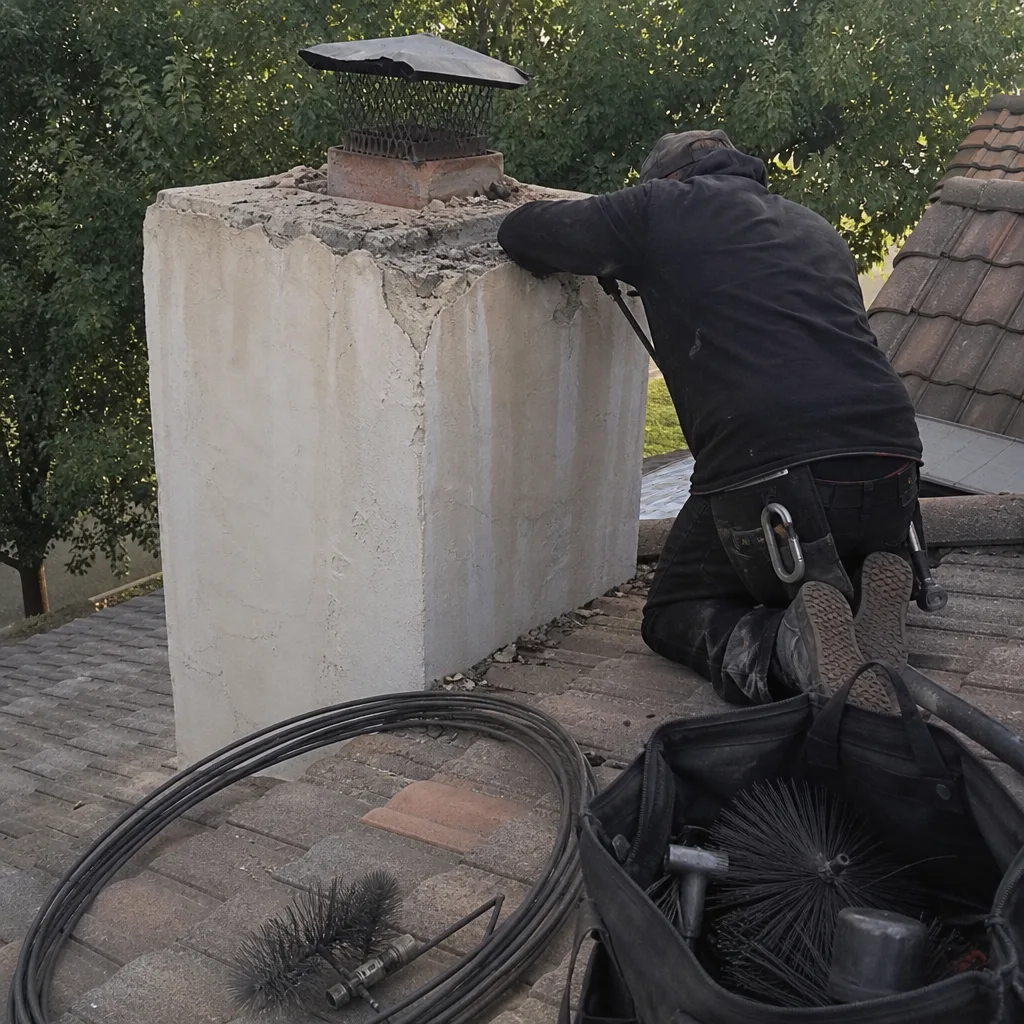 Before
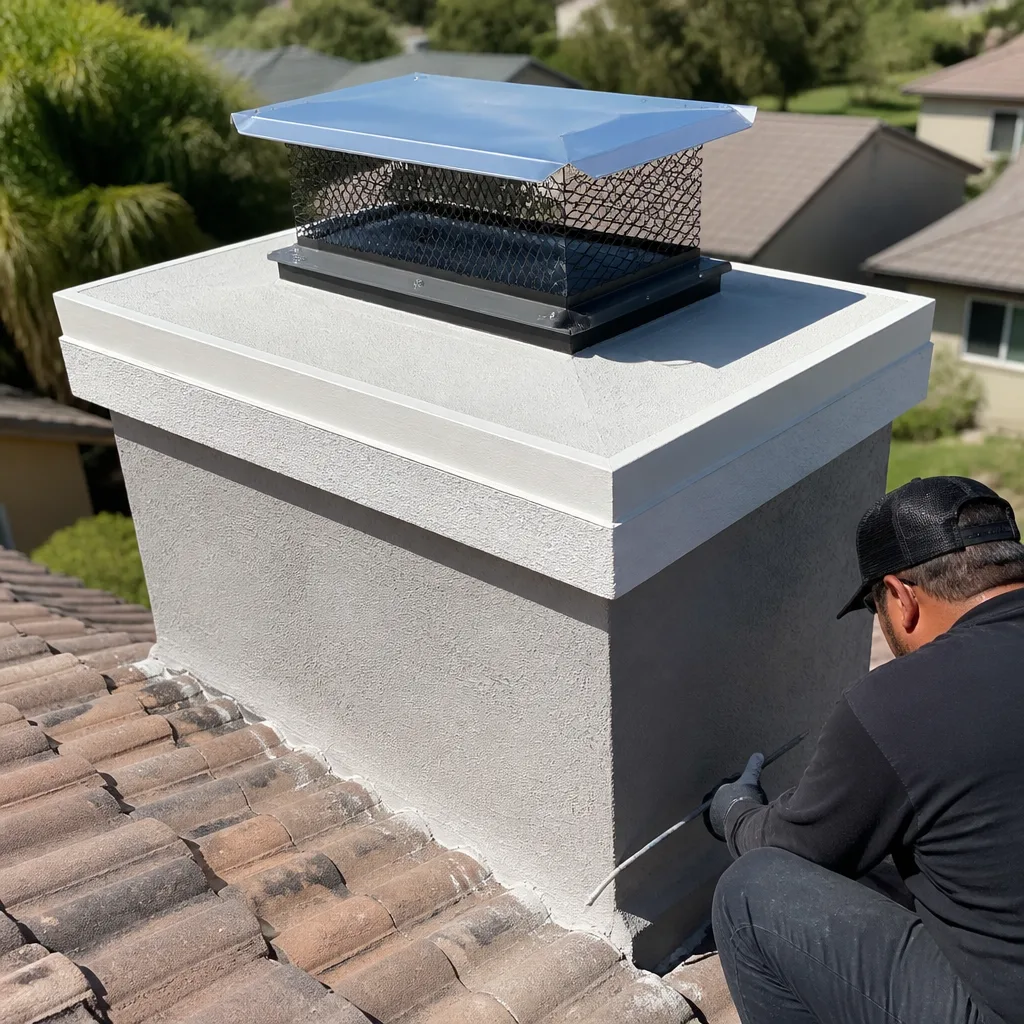 After
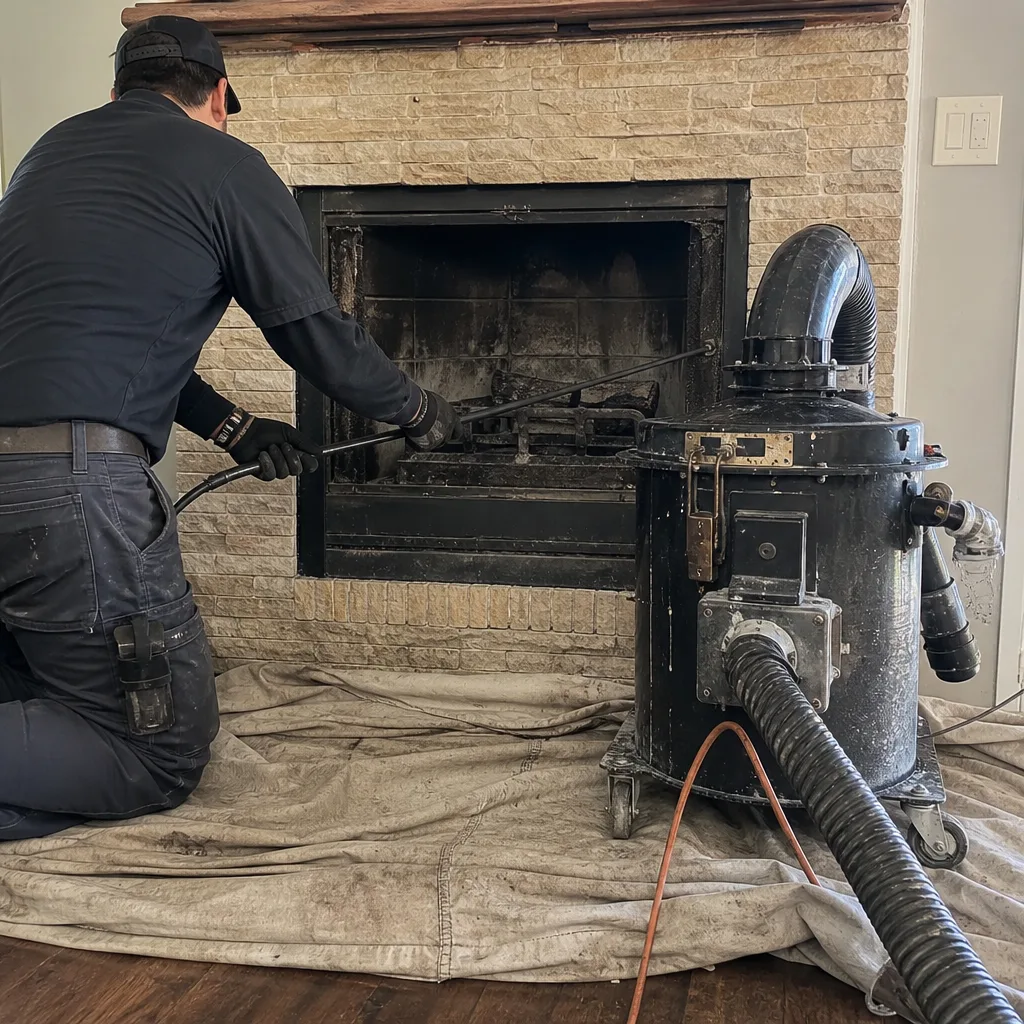 Before
 After
 Before
 After
When to Call a Professional
Call when the problem persists after the basic checks, when you see visible damage inside the firebox, when you smell gas odors that don’t clear, when animals have been present, or when the chimney has not been swept in more than two years. Draft problems that survive the window test and the damper check need a camera to diagnose accurately, and masonry conditions that mimic draft issues are invisible without one. If you’re in Temecula or the surrounding area, Oakridge Chimney Sweep offers free estimates. Call (866) 563-3051 and we’ll tell you what we find, show you the camera footage if the inspection goes that far, and recommend only what the evidence supports.
Frequently Asked Questions
Standard chimney sweeping in Temecula typically runs between $175 and $325 depending on flue height, creosote stage, and whether the chimney has been maintained regularly. Heavily glazed chimneys or those with animal debris run higher because the work takes longer and requires additional equipment. Call (866) 563-3051 for an exact quote, and the estimate is free.
The National Fire Protection Association recommends a sweep whenever creosote reaches 1/8-inch thickness, and for most wood-burning fireplaces used regularly that means once per year. Homes in Temecula that burn fires only on occasional cool evenings may stretch to every other year, but an annual inspection should still confirm that. If you burn soft woods like pine, plan on annual service at minimum.
Creosote accumulates with every fire, and each layer bakes onto the previous one as heat cycles through the flue. Over two to three seasons, first-stage deposits become second-stage tar glaze, which is harder to remove and more combustible. The risk isn’t hypothetical: creosote ignites at around 450 degrees, and a hot fire with a glazed chimney can push flue temperatures past that threshold. The result is a chimney fire, which damages liners and can spread to the house structure.
Maybe, but you should see the evidence first. A legitimate liner recommendation comes with camera footage showing cracks, gaps, or deterioration you can identify yourself. Some companies push liner replacement on chimneys that only need HeatShield restoration or a properly sized DuraFlex liner instead of an open flue. See our article on Choosing the Right Chimney Cleaning Brand: A Buyer’s Guide for Temecula to understand your options. Oakridge Chimney Sweep never recommends liner work without showing you the footage and explaining what it means. Call (866) 563-3051 to schedule a camera inspection and see the actual condition of your flue.
You can remove some first-stage creosote with a hardware-store brush, but you won’t remove second-stage glaze, you won’t reach the smoke shelf properly, and you won’t spot liner damage that a trained eye with a camera will. More importantly, working from a roof carries fall risk, and working inside a flue without proper containment sends creosote dust through the house. The savings rarely justifies the risk or the incomplete job.
Warm outdoor temperatures combined with air-conditioned indoor air create a reverse draft: air flows down the chimney into the house, carrying creosote volatiles with it. Winter fires mask the smell and create upward draft that vents it. The smell in summer isn’t the chimney getting worse, it’s the chimney telling you what’s been there all along. A sweep removes the source.
The Bottom Line
Chimney problems are symptoms, not conditions. Smoke rollout, stubborn odors, weak fires, and slow-burning flames all trace back to draft failure, creosote accumulation, liner damage, or animal intrusion, and often to more than one at once. The diagnostics in this guide are the same ones we use on service calls in Temecula: check the damper, test the pressure, warm the flue, and then look deeper if the simple explanations don’t hold. When the easy checks are exhausted, camera inspection provides answers that guesswork never will. Fix the root cause once, and the symptoms stop reappearing.
Written by the team at Oakridge Chimney Sweep, serving Temecula since 2011.
For chimney sweeping, dryer vent cleaning, or repair work in Temecula and surrounding areas, call Oakridge Chimney Sweep at (866) 563-3051 for a free estimate.