Last updated October 30, 2026
 Sweep & inspection
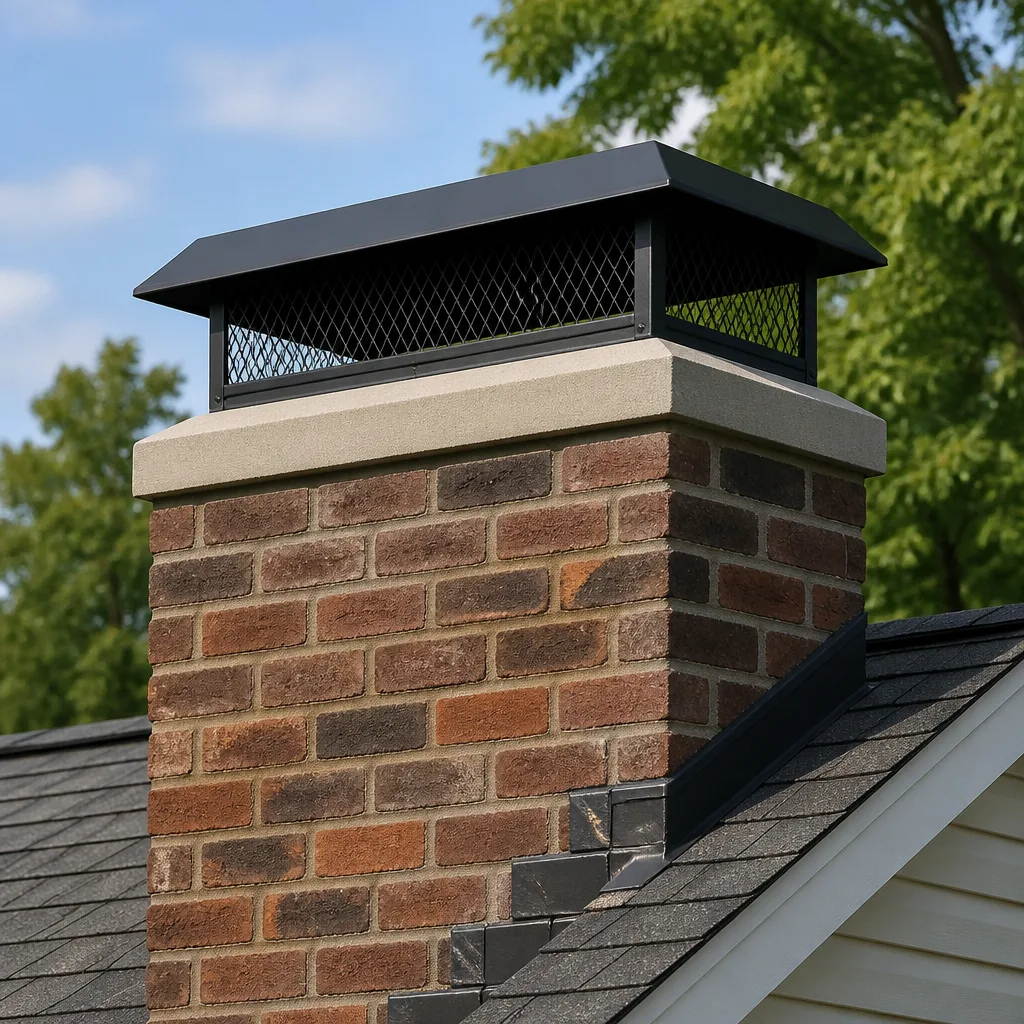 Caps & crowns
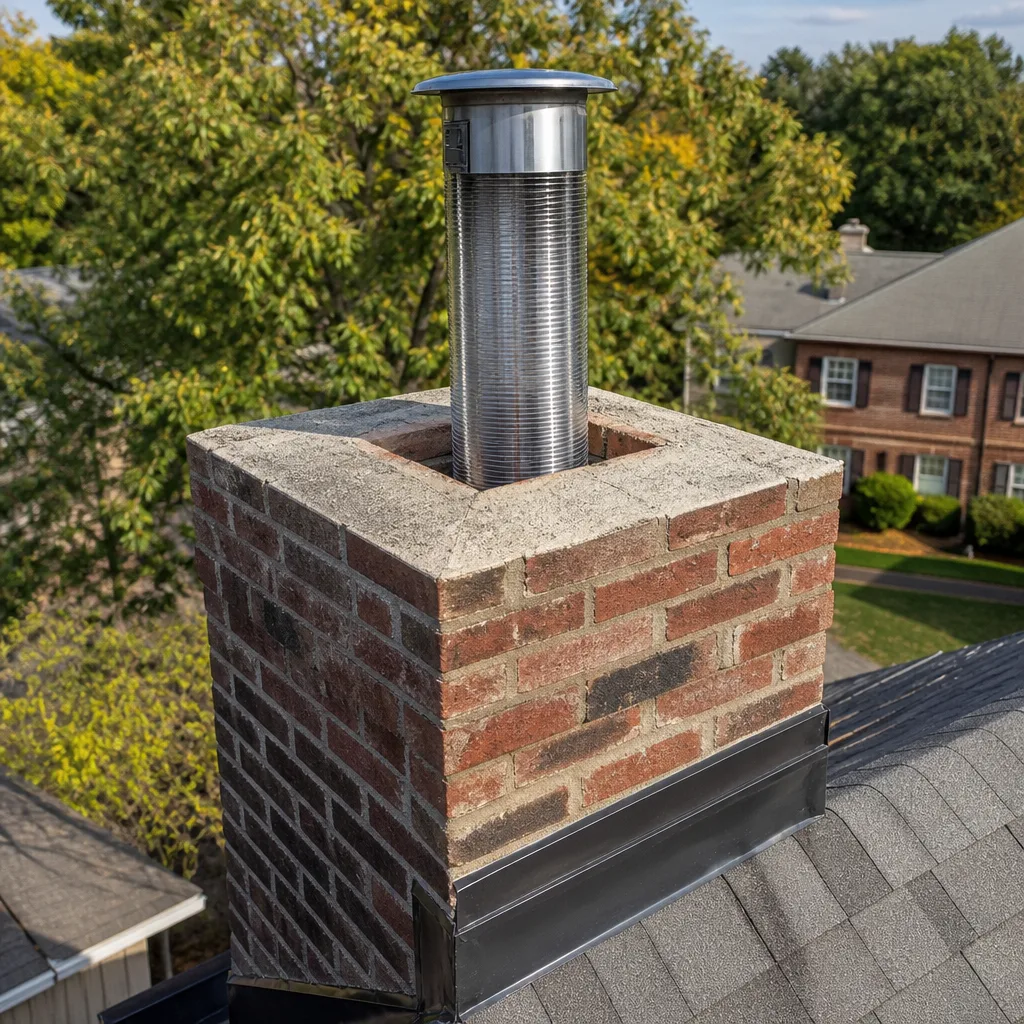 Flue relining
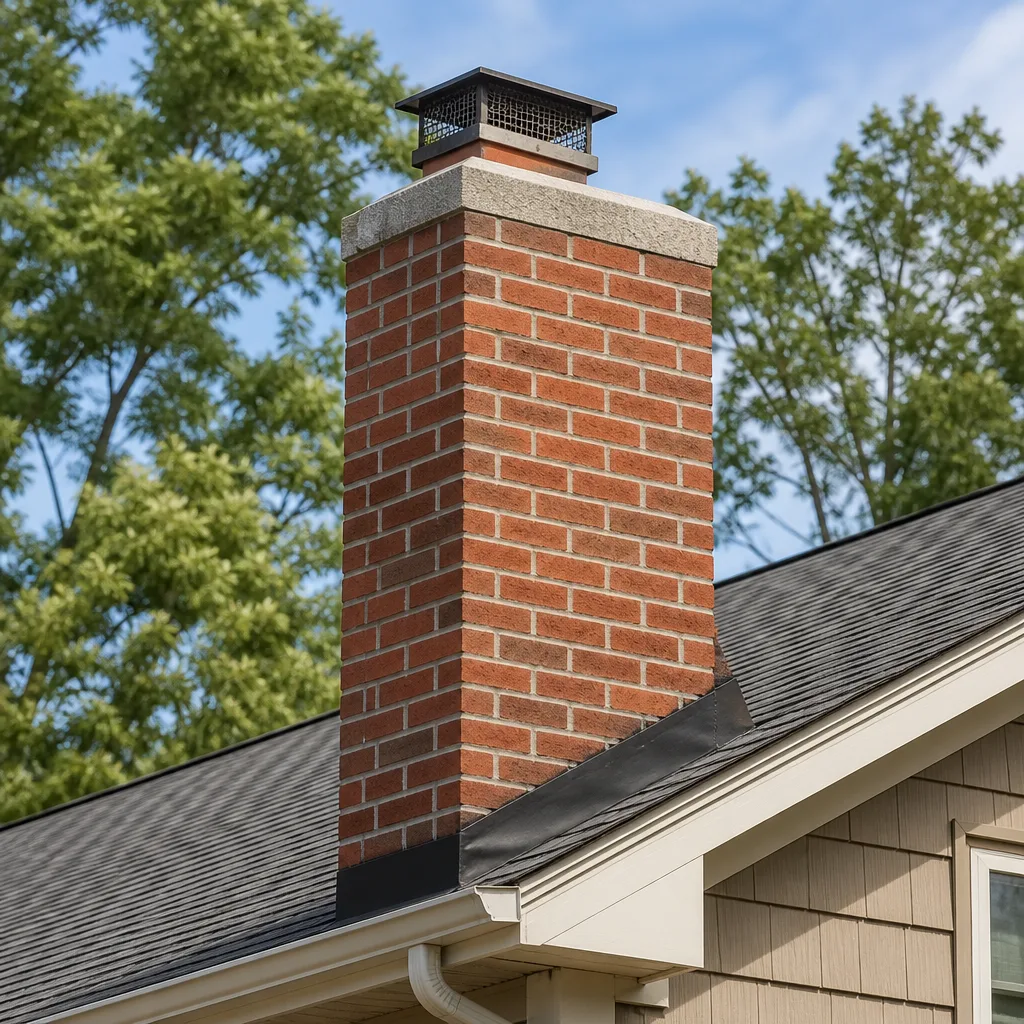 Masonry repair
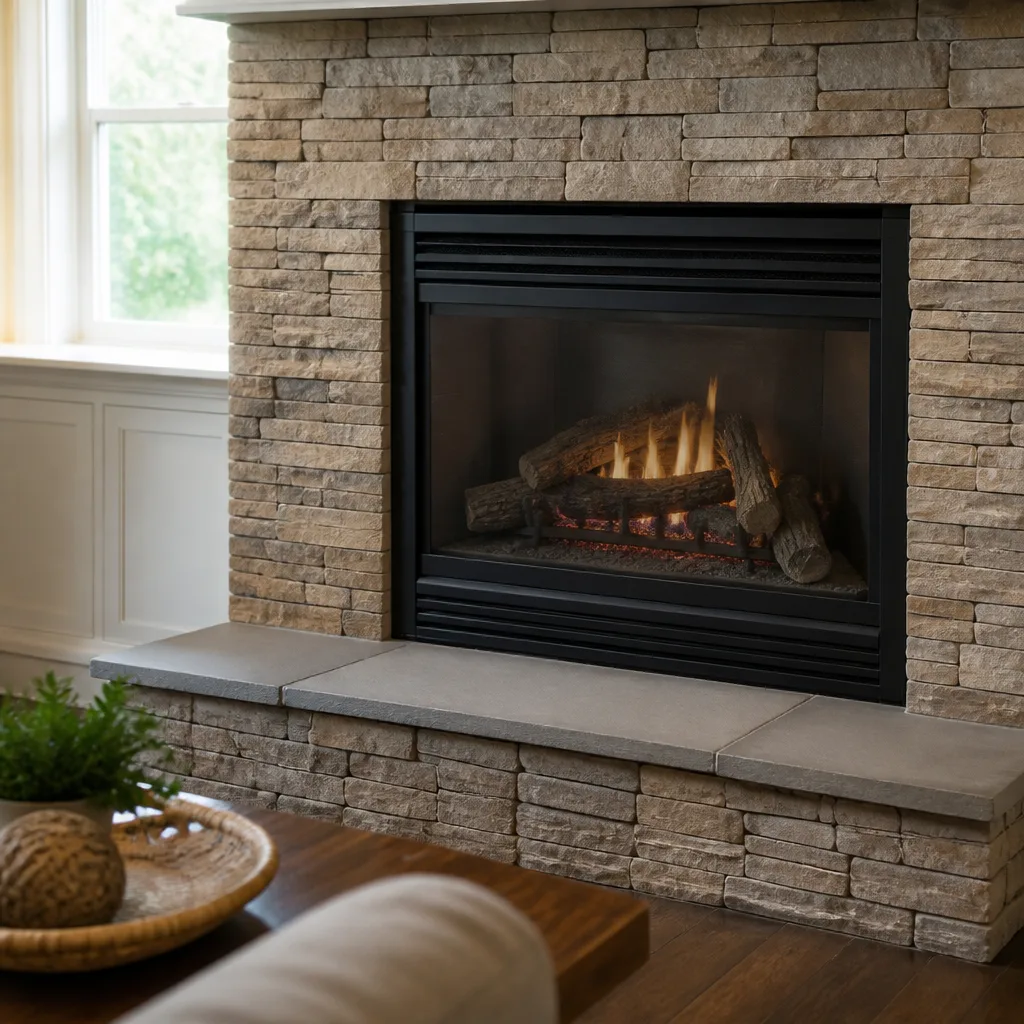 Gas fireplace service
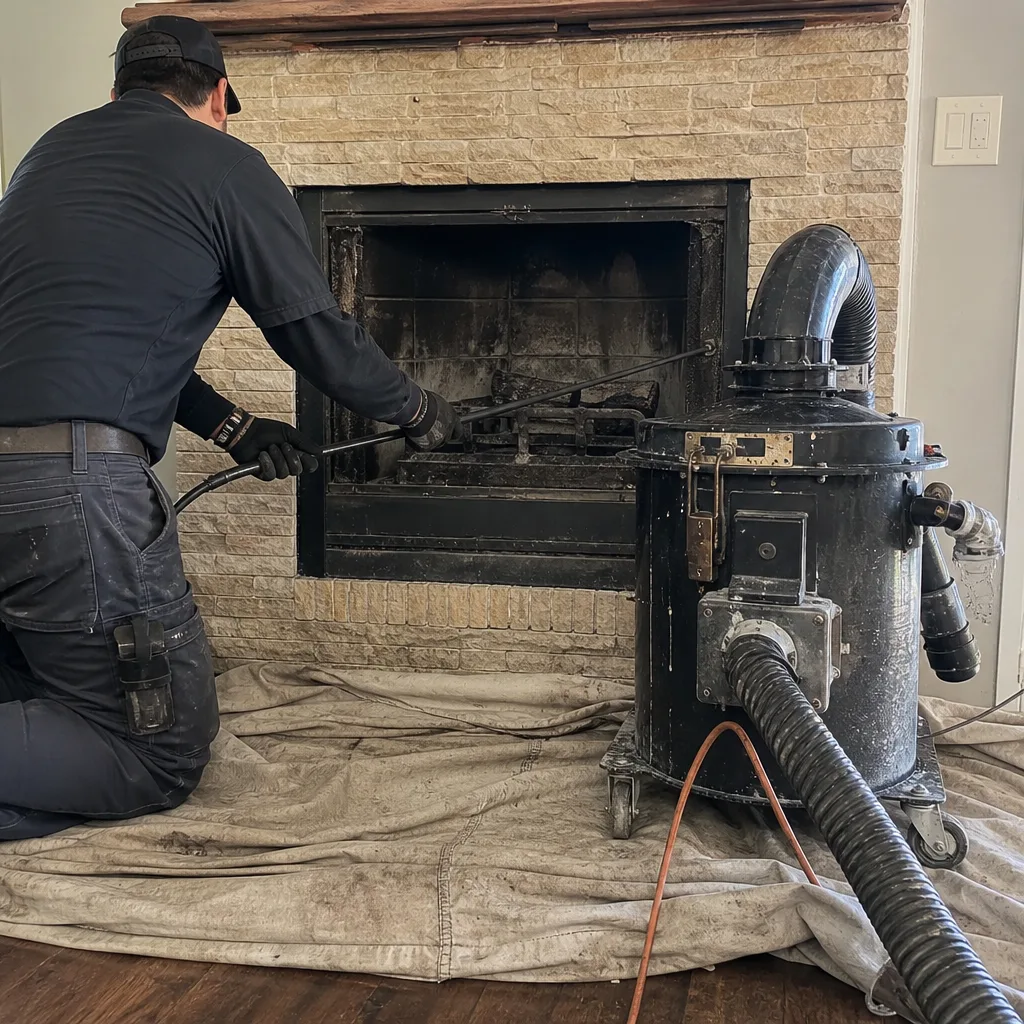
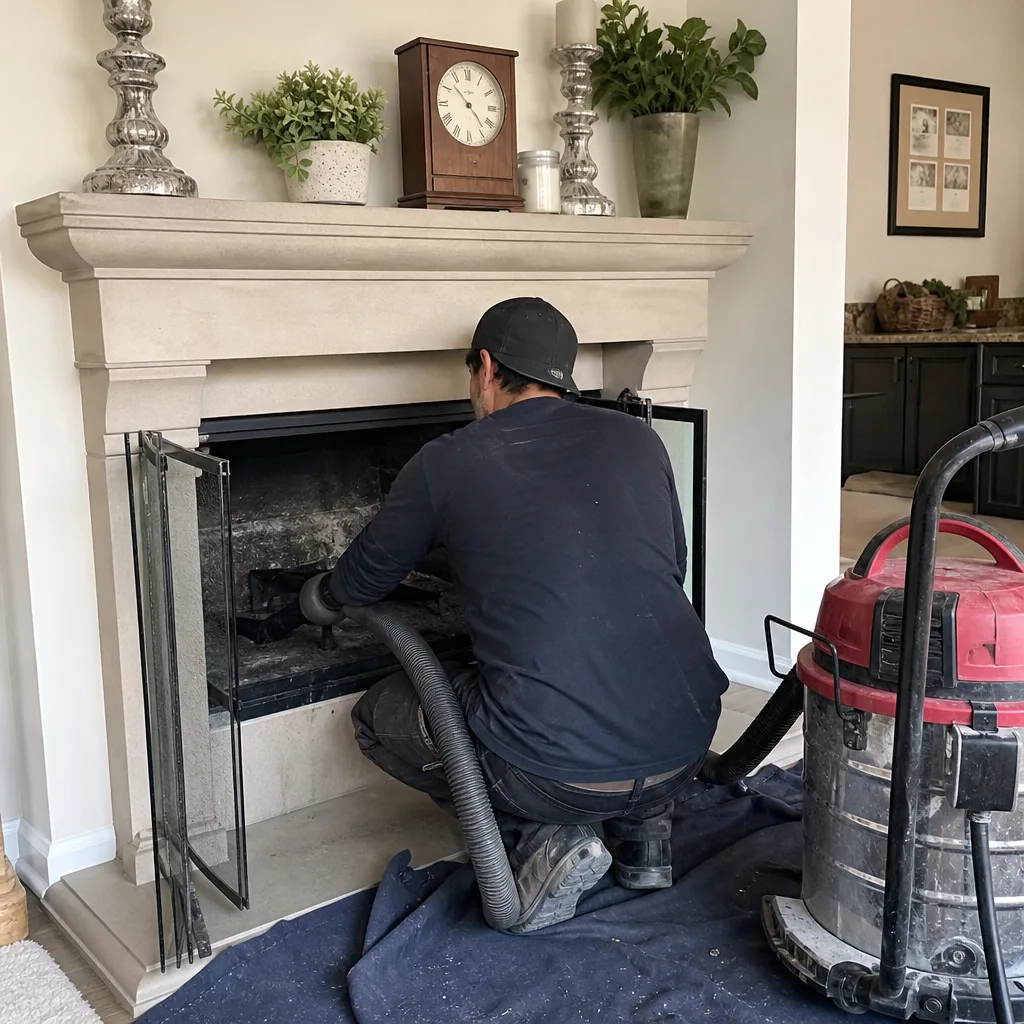
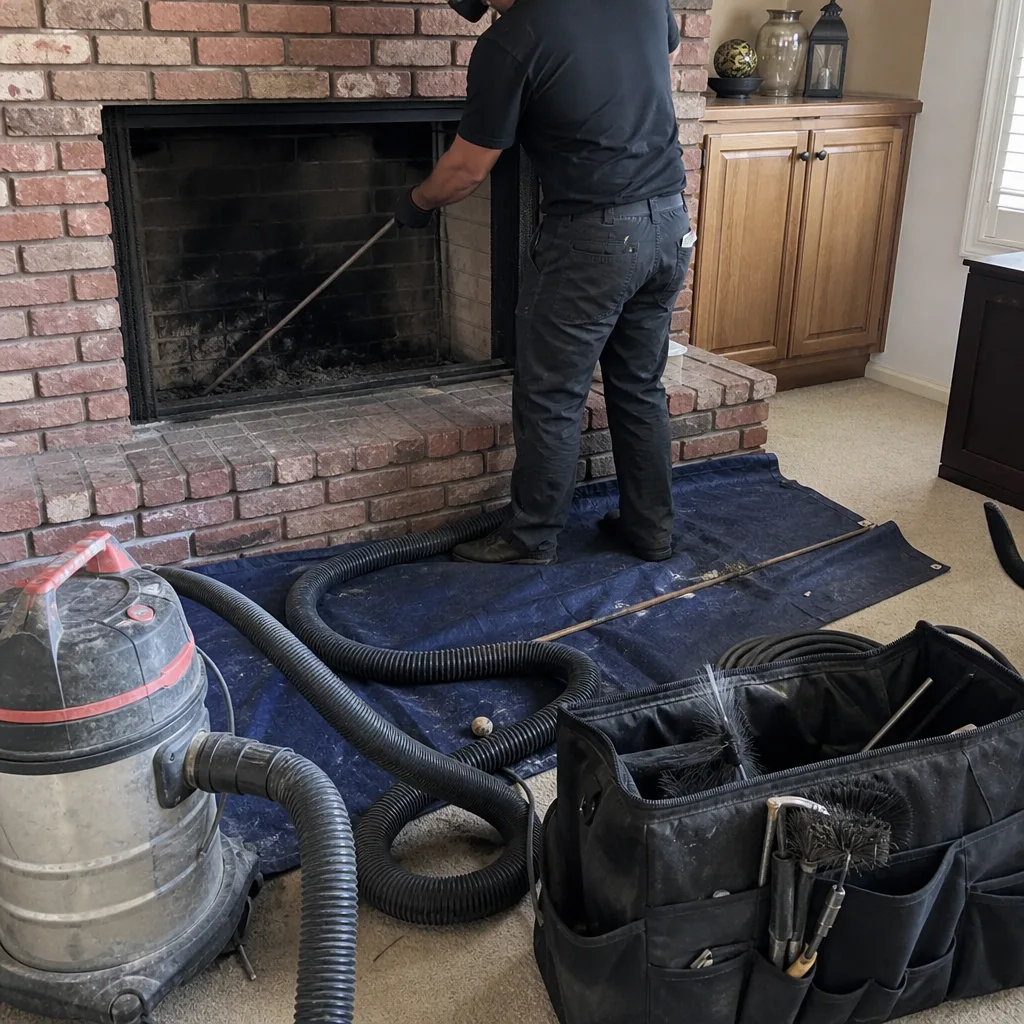
Level 1 sweep and inspection to the NFPA 211 annual standard - flue, crown, cap, and flashing checked and photographed
Chimney sweep logs do not sweep chimneys. They loosen some creosote - which then falls where a brush and vacuum still have to collect it.
Chimney Cleaning Emergency Preparedness Guide for Temecula Homes
A chimney fire doesn’t always announce itself with a roar. Some burn quietly inside the flue for minutes before anyone notices, feeding on creosote deposits while the household goes about its evening. The three signs of an active chimney fire that don’t involve visible flames are a deep, rumbling sound like a distant freight train, a strong, acrid smell that resembles hot tar or burning asphalt, and a low-frequency vibration felt through the wall or hearth. Recognizing these early warnings is the difference between early action and a full roof event.
This guide covers what homeowners in Temecula actually need to know about chimney emergencies: how to spot them, what to do in the first five minutes, when to call 911, and what happens after. Prevention and response are two different kinds of preparation, and most people only have a plan for the first.
Styles & brands we work with
Quick Answer
Chimney emergency preparedness for Temecula homes means knowing the three subtle signs of an active chimney fire (rumbling sound, tar-like smell, wall vibration), having a rehearsed response sequence (close the damper if safe, evacuate if flames are visible, call 911), and keeping a documented inspection and sweep history so post-fire decisions are fast and insurance claims are complete. Preparation is not the same as prevention; this guide covers both the prevention work and the response plan.
Table of Contents
- The Three Signs of an Active Chimney Fire That Don’t Involve Flames
- What to Do in the First Five Minutes: The Correct Response Sequence
- Carbon Monoxide Risk from Chimneys: The Danger Nobody Checks
- After the Fire: Why a Level 2 Inspection Is Not Optional
- Building a Home File: Documentation That Saves Time and Money
- Why Temecula Homes Face Specific Chimney Risks
- Prevention: The Sweeping Schedule That Actually Works
- When a Damaged Liner Changes the Emergency Equation
- Common Mistakes to Avoid
- When to Call a Professional
- Frequently Asked Questions
- The Bottom Line
The Three Signs of an Active Chimney Fire That Don’t Involve Flames
An active chimney fire is not always dramatic. In our experience, the low-burn scenario is the one that catches Temecula homeowners off guard, because the fire is contained entirely within the flue and no visible flames reach the roofline. The three indicators you need to know are specific and identifiable.
First, the sound. A chimney fire produces a low, continuous rumble that many people describe as a freight train passing through the house or a heavy jet engine idling overhead. This is not the normal crackle of wood. It is a sustained, low-frequency roar caused by air being pulled forcefully up the flue while creosote burns. If you hear this sound and you have a fire burning, you have a chimney fire until proven otherwise.
Second, the smell. Creosote burning gives off an odor that is distinct from the smell of burning wood. It is sharp, chemical, and comparable to hot tar, melting asphalt, or burning plastic. The smell often drifts through the house even when the fire is contained inside the flue, because heat from the chimney fire can force combustion byproducts through small gaps in the flue liner or around the damper plate.
Third, the vibration. A chimney fire can create enough turbulence inside the flue that the entire chimney structure vibrates. You may feel a low thrumming sensation through the wall near the fireplace, through the hearth, or, in some cases, through the floor above. This is different from the faint warmth of a normal fire. It feels mechanical, like heavy equipment running nearby.
In Temecula, where many homes have wood-burning fireplaces that see heavy use from October through March, homeowners should be familiar with these signs even if they have never experienced a chimney fire. The low-burn scenario is the most commonly missed because it is the easiest to mistake for a normal fire that is simply burning hot. The three indicators, in combination, are your early warning system.
What to Do in the First Five Minutes: The Correct Response Sequence
The immediate response to a chimney fire is a sequence, not a scramble. Knowing the order of operations ahead of time means you move efficiently instead of freezing. Here is the correct sequence.
- Close the damper if you can reach it safely. Closing the air supply slows the chimney fire by starving it of oxygen. This is the single most effective action you can take in the first minute. Do not open the fireplace doors. Do not throw water on the fire, because the thermal shock can crack the firebox or the flue liner.
- Check for visible flames at the roofline. Look outside for flames coming from the chimney top or smoke that is unusually dark and thick. If you see flames outside the chimney, call 911 immediately from a safe location. Do not attempt to manage the fire yourself.
- Evacuate if the fire has spread beyond the chimney. If you see smoke or flames entering the attic space, walls, or rooms adjacent to the fireplace, get everyone out of the house and call 911. A chimney fire that has breached the flue is a structure fire.
- If flames are not visible and the sound stops, monitor closely. Once the fire has burned itself out, do not relight the fireplace. Keep the damper closed and call a professional for an inspection. A chimney fire can damage the flue liner, mortar joints, and surrounding framing even when it never escapes the chimney.
- After the event, document everything. Note the date, time, what you observed, and any actions you took. This record becomes important for insurance purposes and for the professional inspection that follows.
The most important rule is this: when in doubt, call 911. A chimney fire is not a home-maintenance problem. It is an active fire inside your home’s structure. If the signs are present and you are uncertain about the severity, professional emergency response is the correct call.
Carbon Monoxide Risk from Chimneys: The Danger Nobody Checks
Chimney-related carbon monoxide risk is not limited to malfunctioning furnaces or blocked vents. A wood-burning fireplace can produce dangerous CO levels during normal use when the flue is partially blocked or the liner has failed joints. This is a documented hazard in Temecula and throughout Southern California, where creosote accumulation and liner deterioration are the two most common findings during chimney inspections.
Here is how the risk develops. A chimney works by pulling combustion byproducts up and out of the home through negative pressure. When the flue interior is narrowed by creosote buildup or obstructed by a fallen bird nest, that draw is reduced. The fire burns less efficiently, producing more carbon monoxide, and the weakened draft means more of that CO can spill into the living space. The same problem occurs when a clay tile liner cracks and the flue gases leak through the gaps into the wall cavity or the home interior.
The symptoms of low-level CO exposure are easy to dismiss: headache, nausea, dizziness, and fatigue that seems to improve when you leave the house. This is why CO detectors are essential in any home with a wood-burning fireplace, and why the EPA recommends placing one on every level of the home, including the hallway outside sleeping areas. A CO detector is not a substitute for a clean, properly lined flue, but it is the last line of defense when the first two fail.
We tell Temecula homeowners this because the risk is not abstract. Older masonry chimneys in this region often have clay tile liners that were installed decades ago and have never been inspected. The joints between those tiles fail over time, and the failure is invisible from the outside. A chimney sweep during a routine visit can spot liner damage that has been quietly compromising your home’s air quality for years.
After the Fire: Why a Level 2 Inspection Is Not Optional
If you have had a chimney fire, the fireplace is out of service until a professional has completed a Level 2 inspection. This is not a recommendation. It is the standard established by the National Fire Protection Association (NFPA) for any chimney that has experienced a fire event, and it is the minimum required documentation for most insurance claims related to chimney damage.
A Level 2 inspection includes everything in a standard visual inspection, plus a video scan of the entire flue interior. The camera reveals damage that a visual inspection from the top or bottom cannot show: cracked flue tiles, damaged mortar joints, warped metal liners, and fire damage to the surrounding structure. The inspection must document the full length of the flue, not just the sections that are easy to see.
After a chimney fire, you need to know the answer to one specific question: is the flue still safe to use? A chimney fire can reach temperatures high enough to crack clay liner tiles and separate the joints between them. Once that happens, the flue no longer contains the heat and gases from future fires. The next fire you build could ignite the framing around the chimney. The Level 2 inspection is what tells you whether the damage is cosmetic or structural.
We’ve seen Temecula homes where a homeowner continued using a fireplace after a brief chimney fire that “didn’t seem that bad.” The follow-up inspection revealed cracked tiles and creosote that had been driven into the cracks by the fire’s pressure. That fireplace was one use away from a much more serious event. The inspection is not a formality. It is the difference between a contained incident and a structural fire.
Building a Home File: Documentation That Saves Time and Money
Your chimney has a history, and that history is documentation you should keep. When we talk about a home file, we mean a simple folder, physical or digital, that contains the records of every chimney service you have had: sweep reports, inspection findings, repair invoices, and photos of any work done.
Here is what belongs in the file:
- Sweep reports that note the date of service, the amount of creosote removed, and the condition of the flue at the time of cleaning.
- Inspection reports with photos or video stills showing liner condition, especially any Level 2 inspections you have had.
- Repair invoices that detail what was fixed, what materials were used, and when the work was completed.
- Photos you take yourself after any service or repair, showing the visible condition of the chimney cap, crown, and firebox.
- Receipts for firewood if you buy seasoned wood, so you have a record of what has been burned in your fireplace.
This documentation serves two purposes. First, it gives emergency responders and your insurance company a clear picture of your chimney’s maintenance history, which can speed up a claim after a fire event. Second, it gives any chimney professional a baseline to compare against. When we inspect a chimney that has previous reports, we can identify changes over time that would otherwise be invisible.
For Temecula homeowners, this matters because the region’s wildfire exposure has made insurance companies more attentive to chimney maintenance records. A documented history of regular sweeping and inspection supports a claim that a fire event was not the result of negligence. Absent that documentation, the claim can become a slower process with more questions. The home file is your insurance policy outside of the insurance company.
Why Temecula Homes Face Specific Chimney Risks
Temecula’s climate and housing stock create a specific set of chimney risk factors that homeowners in other regions do not always face. Understanding these risks helps you make smarter decisions about when to sweep and what to watch for.
The first factor is seasonal use patterns. Temecula winters are mild enough that many homeowners use their fireplaces intermittently rather than every day. That creates a stop-start cycle that is actually harder on a flue than continuous use, because creosote deposits cool and harden between fires, then reheat and expand on the next use. The expansion and contraction stresses the liner joints and creates new gaps over time.
The second factor is the age of the housing stock. Many Temecula homes were built during the housing booms of the 1980s and 1990s, which means their original masonry chimneys are now 30 to 40 years old. Clay tile liners from that era are reaching the end of their service life, and the mortar between the tiles degrades even in the absence of visible problems. A chimney that has never been inspected is the one most likely to have the problems you cannot see.
The third factor is the region’s wildfire exposure. The same dry conditions that put Temecula at risk for wildfires also dry out the creosote inside chimneys, making it more flammable. Dry creosote ignites at a lower temperature than creosote that has absorbed moisture, which means the fire hazard is higher during the exact months when you are most likely to use the fireplace.
These are not theoretical concerns. They are the patterns we see consistently in the chimneys we inspect across Temecula. If you know your home has an older flue and you have not had it inspected in the last few years, the time to schedule that inspection is before burning season begins, not after a problem forces it.
Prevention: The Sweeping Schedule That Actually Works
Prevention is the other half of preparedness, and it starts with a sweeping schedule that is matched to how you actually use your fireplace. The standard recommendation is an annual sweep, but the real answer depends on burn frequency and what you burn.
Here is a practical guide:
- Weekly or daily use during burning season: sweep every year, before the season starts. If you burn two or more cords of wood per winter, consider a mid-season check.
- Occasional use (weekends, holidays): sweep every 12 to 24 months, but have an annual visual inspection regardless.
- Rarely used fireplace (a few times per year): sweep at least every three years. Creosote still accumulates, and animal nests can block the flue even when you are not burning.
- Gas fireplace inserts: have the venting checked annually. Gas produces less creosote but the venting can still become obstructed by debris or deteriorate.
What you burn matters as much as how often. Green or unseasoned wood produces more creosote because it burns at a lower temperature. Dried hardwoods burn hotter and cleaner. In Temecula, where oak is widely available, homeowners should look for wood that has been split and stacked for at least six months. A moisture meter is a cheap investment that tells you instantly whether your wood is ready to burn.
Regular sweeping is not busywork. It is the single most effective way to reduce the risk of a chimney fire, and it is the foundation of the documentation trail we discussed earlier. A chimney that is swept each year generates a record that proves the homeowner has done the right thing. That record matters.
When a Damaged Liner Changes the Emergency Equation
A damaged flue liner changes the stakes for every threat we have discussed so far. The liner is the barrier between the heat and gases inside your flue and the combustible materials around it. When the liner fails, the margin for error disappears.
Clay tile liners, common in older Temecula homes, crack when they are exposed to the thermal shock of a chimney fire or simply through decades of heating and cooling cycles. The cracks are invisible from the outside. A metal liner, such as a DuraFlex flexible liner, is the standard solution for an older, offset, or irregular flue that cannot be relined with rigid materials. The flexible design allows the liner to navigate the turns in a masonry chimney that would prevent a rigid pipe from being installed correctly.
HeatShield restoration is a different approach for liners that are sound but have early-stage deterioration. Instead of removing the existing flue, HeatShield applies a cerfractory sealant to the flue interior, restoring the smooth surface and closing minor gaps. It is a specialized repair that only a subset of chimney companies are trained to perform, which is why homeowners should ask specifically about it when liner damage is mentioned.
The point of understanding liner systems is not to become a materials expert. It is to recognize that a crack in the liner is a genuine emergency, not a cosmetic issue. When a chimney fire occurs in a flue with a compromised liner, the fire has a direct path to the home’s framing. The inspection after any fire event must evaluate the liner specifically, and the repair options should be discussed with a contractor who works with trade-grade materials, not hardware-store substitutes.
This is the difference between a Chimney Sweep in Coto De Caza who can tell you the liner is damaged and one who can actually repair it. The first contractor sends you elsewhere. The second finishes the job. When you are looking for a professional, ask whether they do their own liner work or refer it out. The answer tells you what kind of contractor you have.
Common Mistakes to Avoid
- Assuming a small chimney fire is a one-time event. A chimney fire changes the condition of the flue. Even a brief low-burn fire can crack liner tiles and leave the chimney unsafe. The fireplace stays unused until an inspection clears it.
- Using water to extinguish a chimney fire. Water on a hot flue causes thermal shock that can crack the liner and the firebox. It can also send steam and hot creosote through the house. Close the damper and call for help instead.
- Skipping the video inspection after a fire. A visual check from the top or bottom does not see the interior of the flue. The Level 2 inspection with a camera is the only way to document what the fire actually did.
- Burning unseasoned wood because it is cheap. Green wood produces more creosote and burns cooler, which means more of the combustion byproducts condense on the flue walls. The money saved on wood is spent on faster creosote accumulation.
- Ignoring a CO detector that beeps occasionally. A CO detector that triggers intermittently is not a false alarm. It is measuring real CO levels that rise and fall with fireplace use. Treat it as a chimney problem until proven otherwise.
- Assuming gas fireplaces do not need inspection. Gas produces little creosote, but the venting can still become obstructed by debris, damaged by storms, or deteriorated by age. Annual venting checks apply to gas systems too.
- Throwing away fireplace documentation. The invoice from a sweep six years ago is the proof your insurance company wants. Keep everything in the home file, even if it seems unimportant.
When to Call a Professional
Call a chimney professional if you have heard the rumbling sound, smelled the tar-like odor, or felt the vibration of a chimney fire, even if you did not see flames. Call if you have had a chimney fire of any size and have not yet had a video inspection. Call if your CO detector has triggered during fireplace use. Call if you cannot remember the last time your chimney was swept. Call if you have an older masonry chimney in Temecula that has never had its liner inspected.
Oakridge Chimney Sweep offers free estimates in Temecula. We work with the trade brands professionals stock, including HeatShield for liner restoration and DuraFlex for liner installation, and we do our own repair work rather than referring it out. Call (866) 563-3051 to schedule an inspection or ask questions about your chimney’s condition.
Frequently Asked Questions
You have an active chimney fire if you hear a low, rumbling sound like a freight train, smell a sharp tar-like odor, or feel vibration through the hearth or wall, even when no flames are visible. These signs indicate creosote burning inside the flue. Close the damper if you can reach it safely and call 911 if you see flames at the roofline.
Most Temecula homes with wood-burning fireplaces should be swept once per year, before the burning season starts in October. Homes that burn more than two cords of wood per season should have a mid-season check as well. Gas fireplaces need annual venting checks even though they produce little creosote.
A Level 2 inspection is a video scan of the full flue interior, required after any chimney fire event, before a home sale, or when a chimney system has changed. It documents damage that visual inspection cannot see, including cracked liner tiles and separated joints. The report is the standard documentation for insurance claims.
Yes. A partially blocked flue reduces draft and forces combustion byproducts, including carbon monoxide, back into the living space. The same problem occurs when a clay tile liner cracks and flue gases leak through the gaps. CO detectors on every level of the home are essential, and a professional inspection identifies the underlying problem.
After a chimney fire, the fireplace remains out of service until a professional completes a Level 2 inspection with a video scan. The inspection must document the condition of the flue liner, mortar joints, and surrounding structure. If the inspection reveals damage, repairs must be completed and re-inspected before the next fire.
Homeowners insurance typically covers chimney fire damage when the homeowner can demonstrate regular maintenance, including documented sweeping and inspection history. Your home file of sweep reports, inspection findings, and repair invoices is the evidence that supports the claim. A chimney fire with no maintenance history is a slower, more difficult claim. Call (866) 563-3051 for a free estimate if you need an inspection or sweep to establish that documentation.
The Bottom Line
Chimney emergency preparedness comes down to knowing the signs, having a sequence, and keeping the records. The three signs of an active chimney fire that don’t involve flames, the rumbling sound, the tar-like smell, and the vibration, are your earliest warning. The response sequence is close the damper, check for visible flames, evacuate if needed, and never relight the fireplace until a video inspection clears it. The documentation file is what makes insurance claims work and inspections meaningful. Prevention through regular sweeping and liner maintenance is the part of preparedness that means you may never need the emergency plan at all.
Written by the team at Oakridge Chimney Sweep, serving Temecula since 2011.
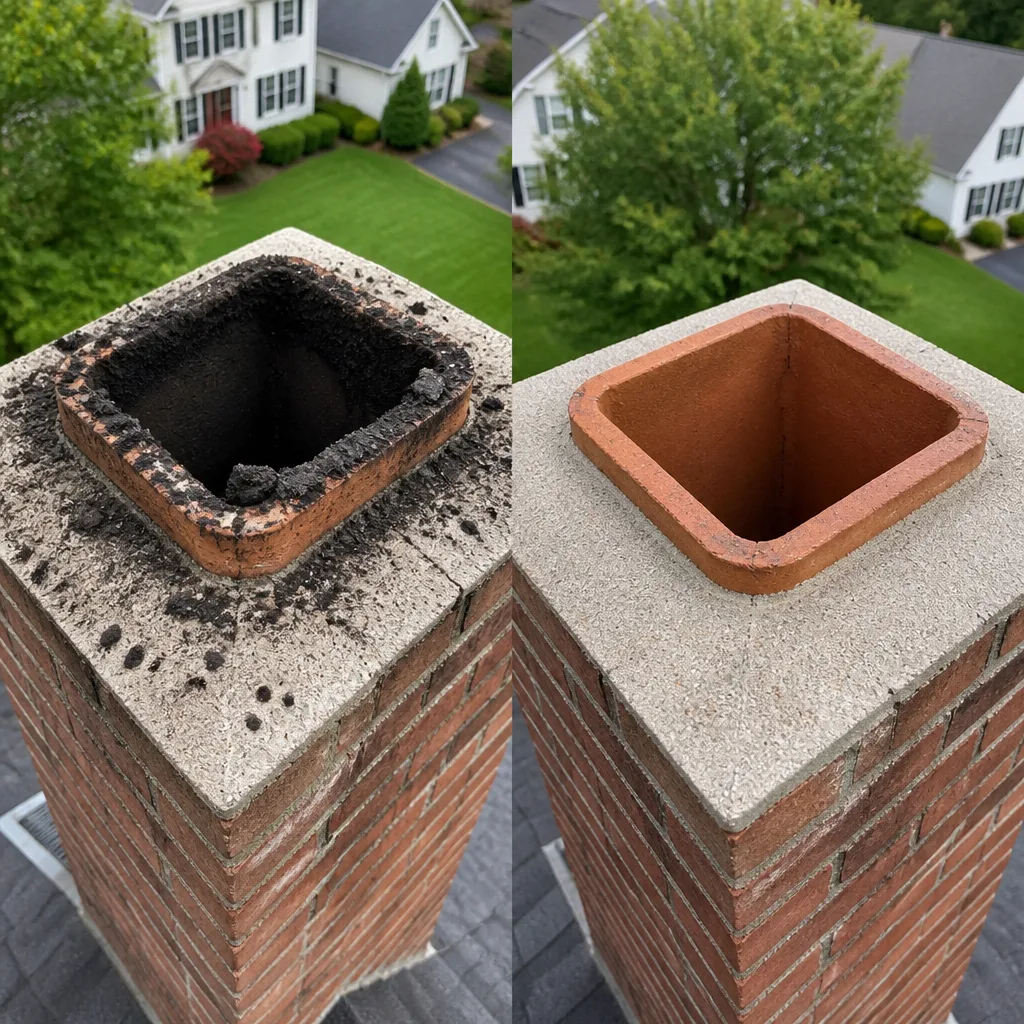
See the difference
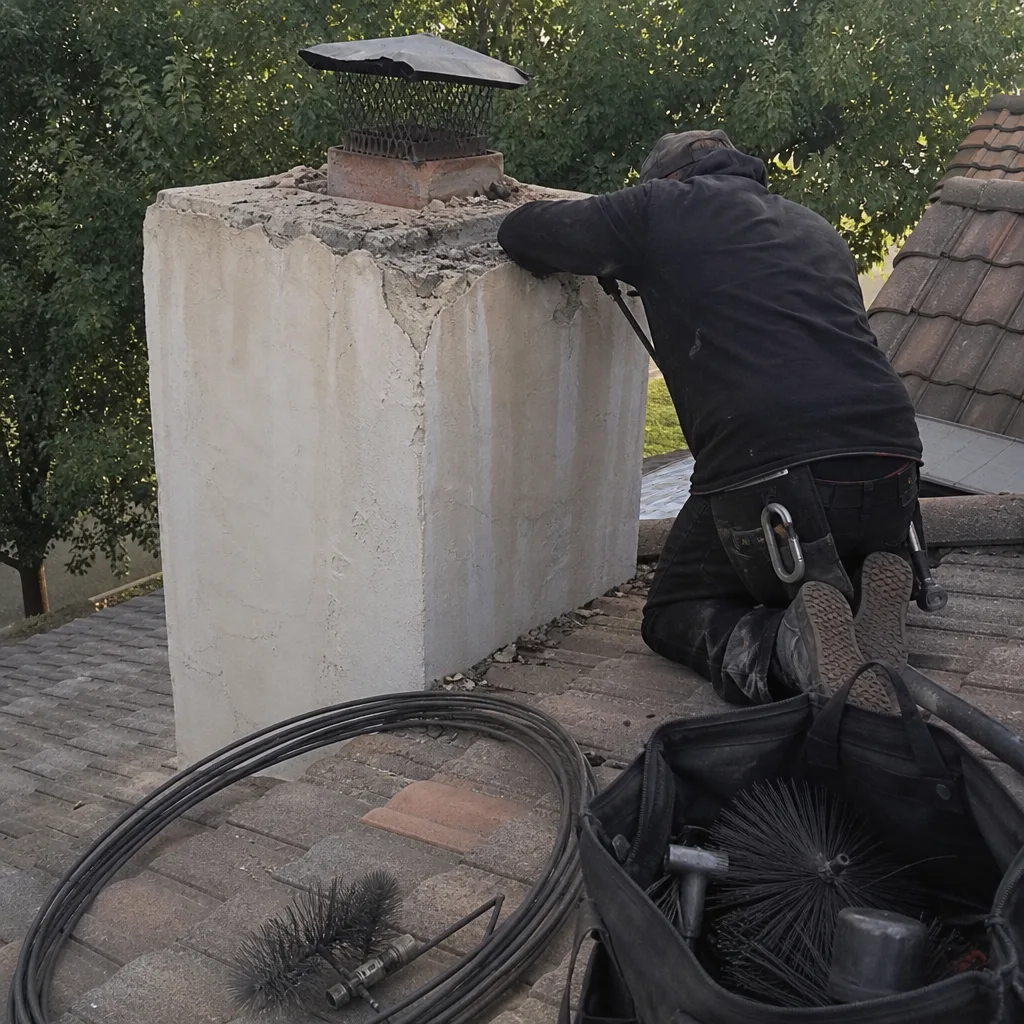 Before
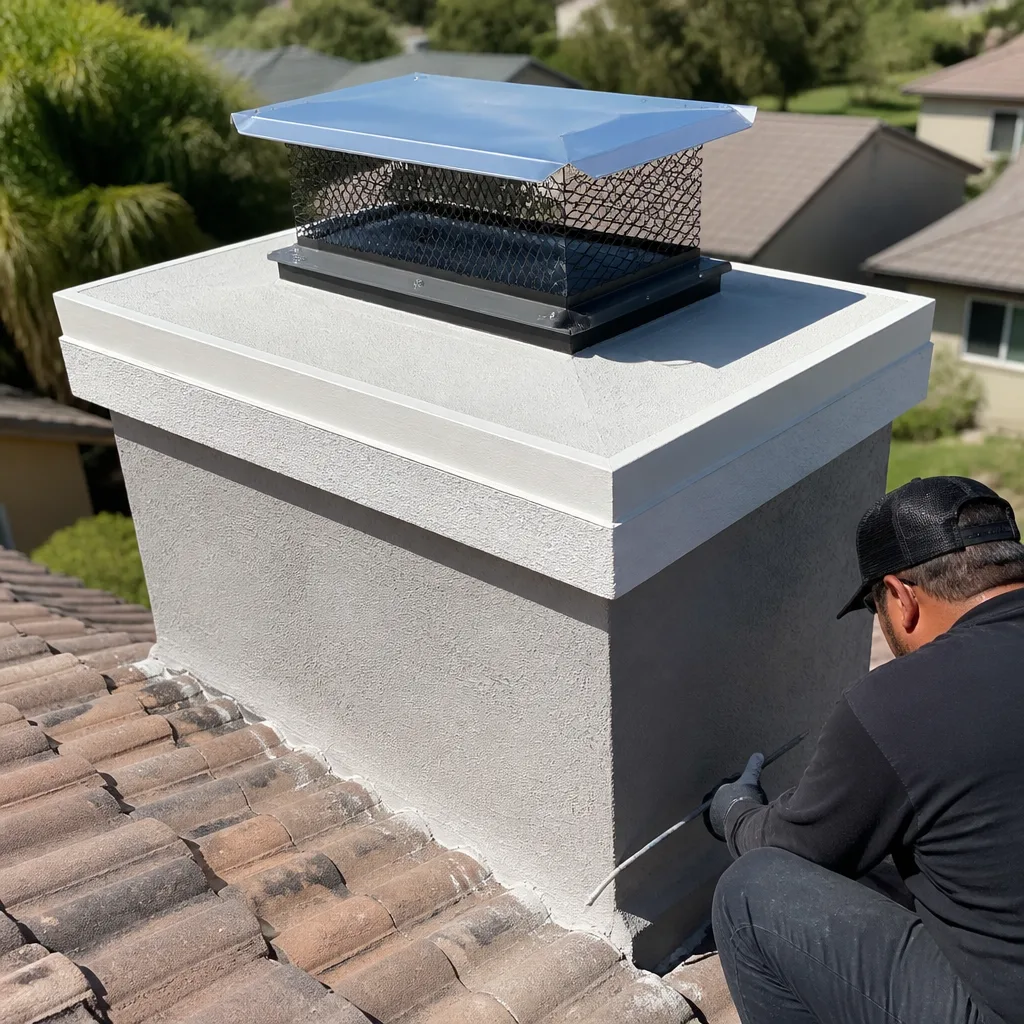 After
 Before
 After
 Before
 After