
Last updated October 30, 2026
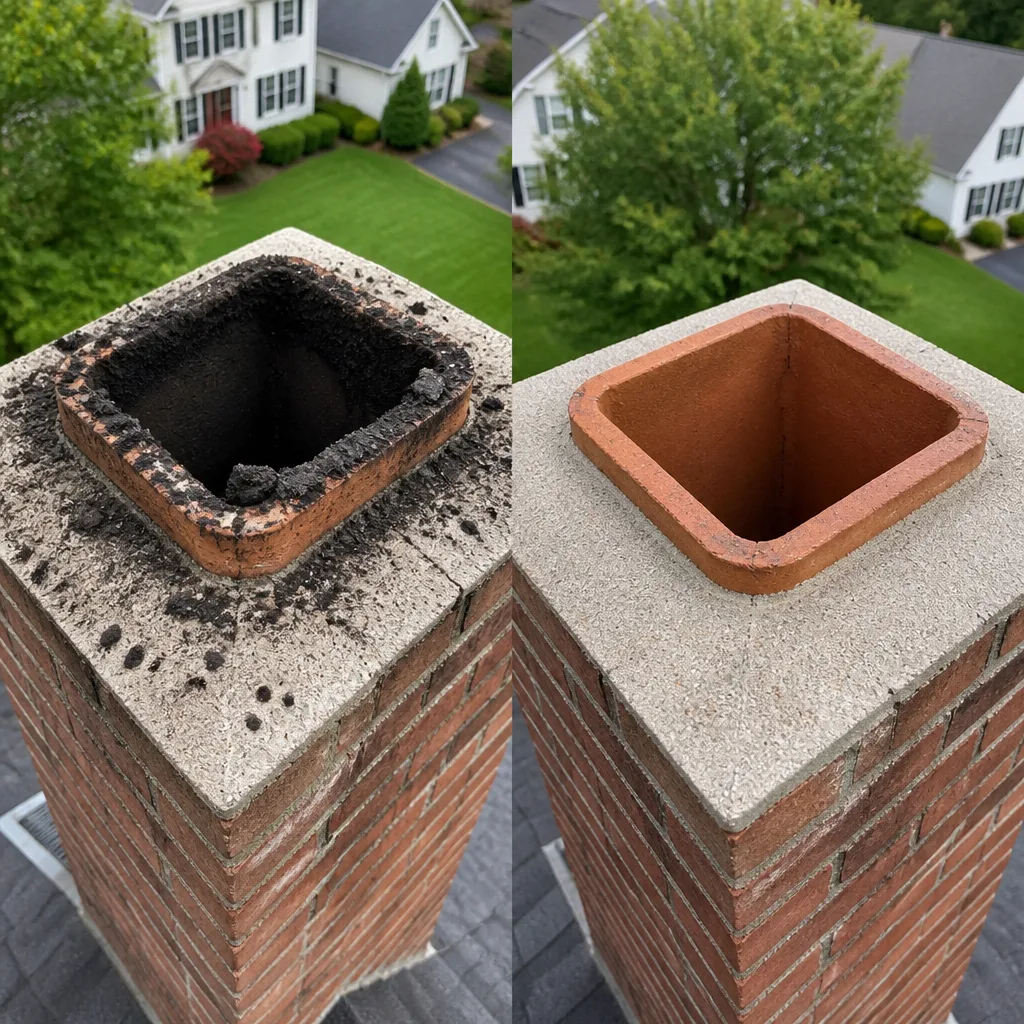 Sweep & inspection
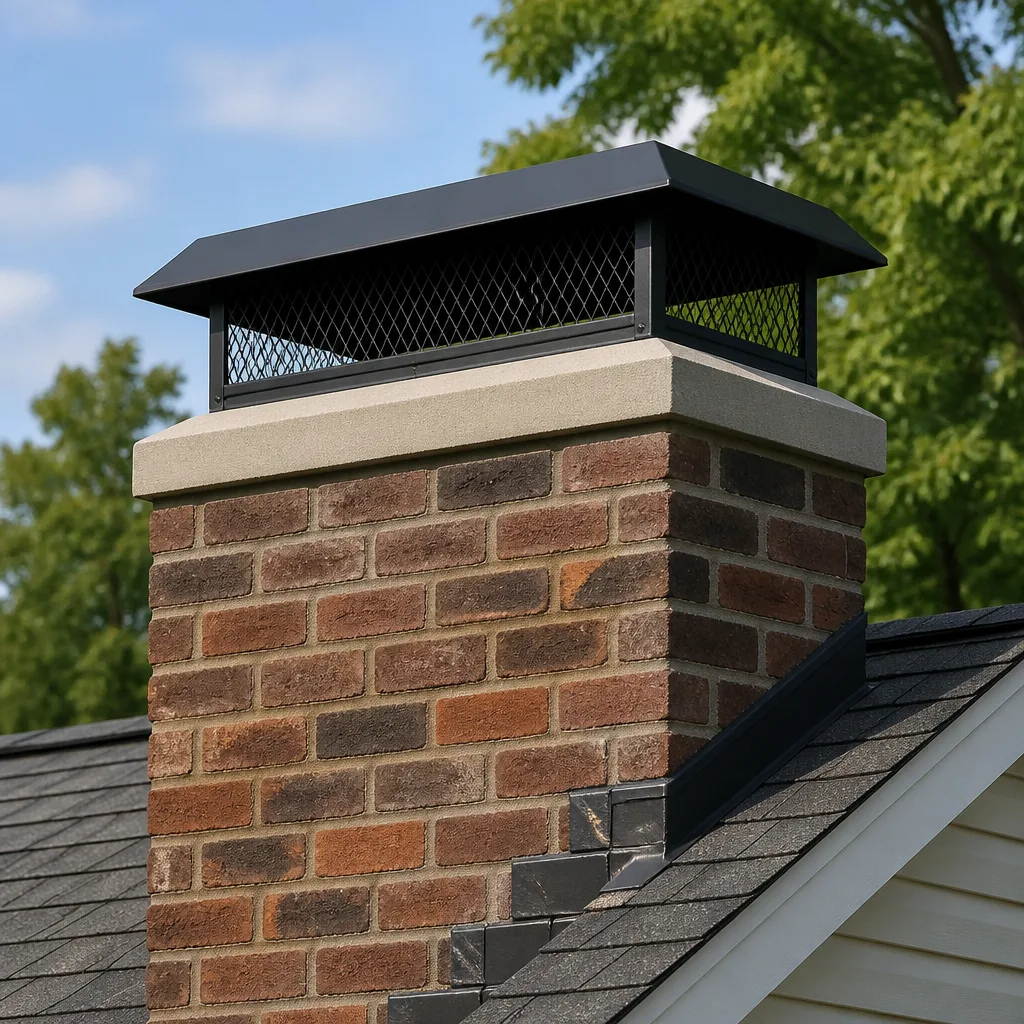 Caps & crowns
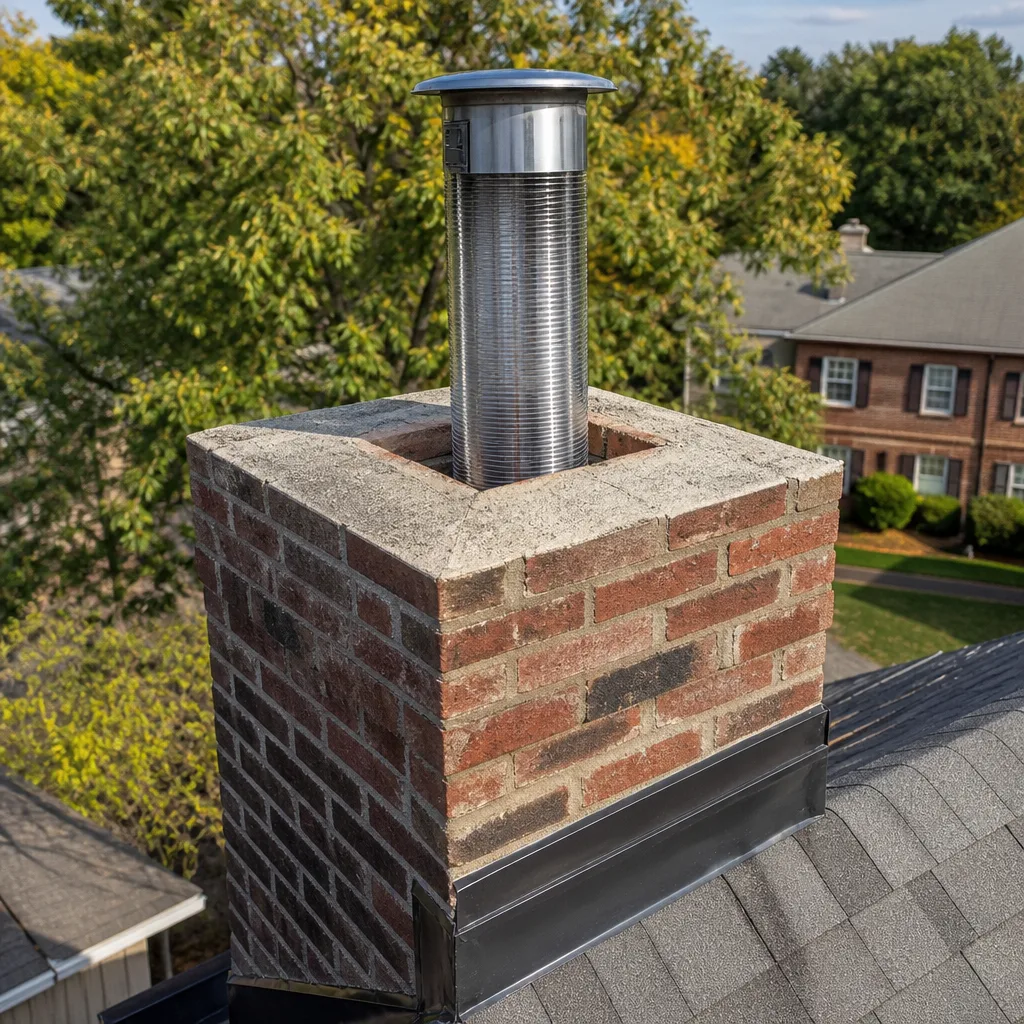 Flue relining
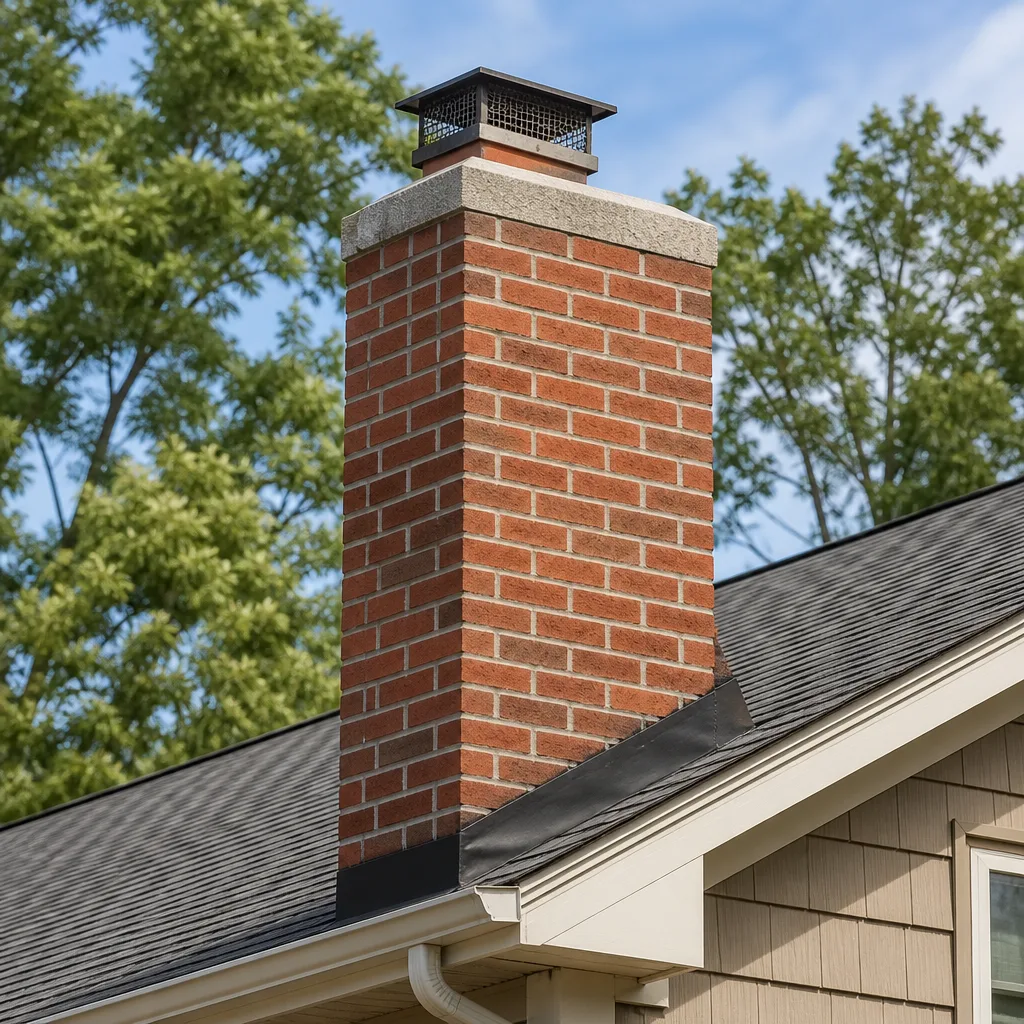 Masonry repair
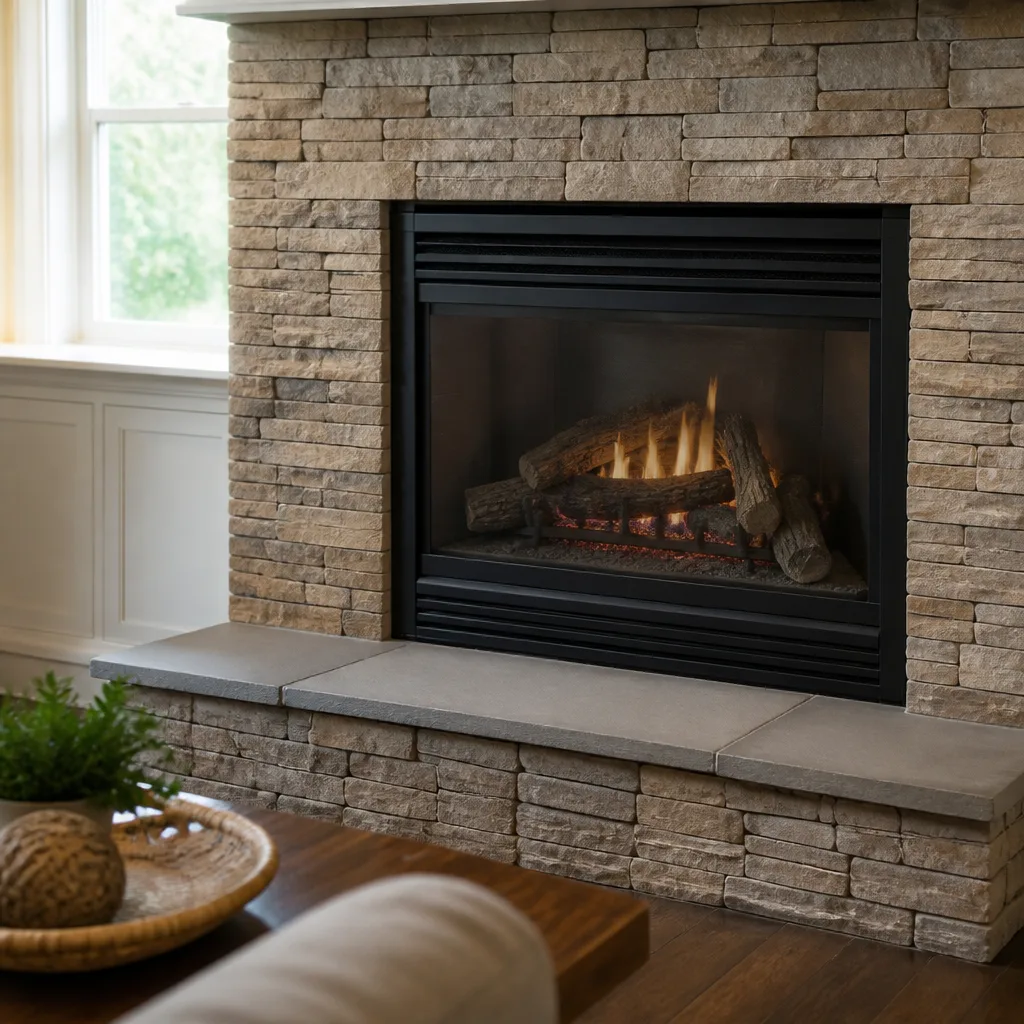 Gas fireplace service
Level 1 sweep and inspection to the NFPA 211 annual standard - flue, crown, cap, and flashing checked and photographed
Chimney sweep logs do not sweep chimneys. They loosen some creosote - which then falls where a brush and vacuum still have to collect it.
Chimney Cleaning Permits, Codes & Inspections in CA: What You Need to Know
An unpermitted chimney liner replacement, one of the most common repairs we see in Temecula, can quietly resurface years later during a home sale or after a fire-related insurance claim. The permit often costs less than the problem it prevents. Most homeowners assume a chimney sweep is just routine maintenance, and they’re right, until the work crosses from cleaning into repair. That line is where California building code, your insurance policy, and a Riverside County building inspector all get involved. This guide draws that line clearly so you know exactly when a permit is required, when an inspection is mandatory, and how to check whether past work on your chimney was done correctly. For more guides & resources, see our blog. By the end, you’ll understand the difference between a $250 sweep and a $4,000 liner job that needs a permit, and how to protect yourself from unpermitted work you didn’t know to ask about.
Styles & brands we work with
Quick Answer
Routine chimney cleaning and inspection in California requires no permit. The moment a contractor replaces a flue liner, rebuilds firebox masonry, or installs a new chimney cap with structural modifications, you’re likely in permit territory. Permit requirements are set by the California Building Code, but enforcement and specifics come from your local Authority Having Jurisdiction, which for Temecula is Riverside County.
Table of Contents
- The Cleaning vs. Repair Distinction: Where the Permit Line Actually Falls
- How California Building Code Governs Chimney Work
- Riverside County AHJ Requirements for Temecula Homes
- What a Level 2 Inspection Is and When California Law Requires It
- Why Some Contractors Skip Permits on Liner Work (and What It Costs You)
- How to Pull Your Property’s Permit History
- Common Mistakes to Avoid
- When to Call a Professional
- Frequently Asked Questions
- The Bottom Line
The Cleaning vs. Repair Distinction: Where the Permit Line Actually Falls
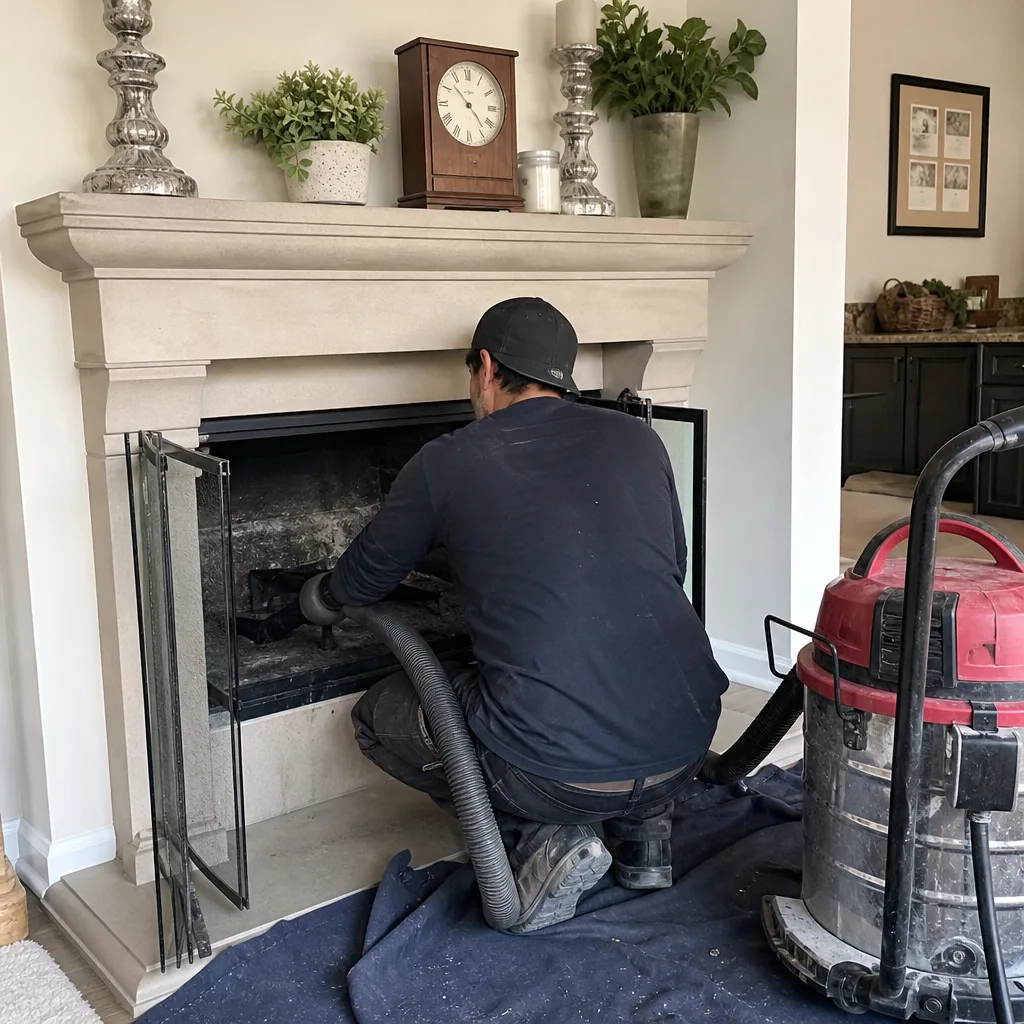
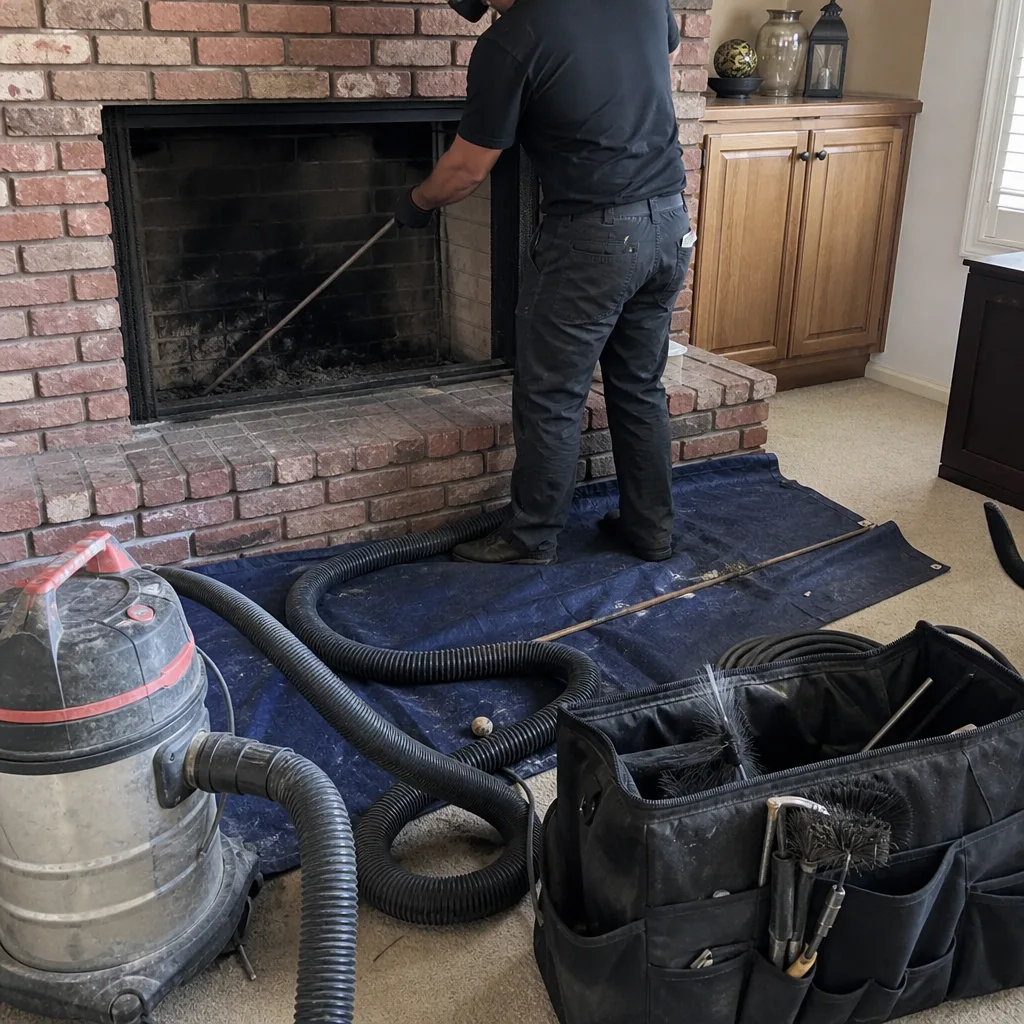
A chimney sweep that removes creosote, soot, and debris is classified as maintenance. You don’t need a permit for it, no matter how thorough the work. Sweeping involves brushes, rods, and a vacuum, nothing that alters the structure or function of the chimney. It’s the same category as cleaning your gutters or changing your furnace filter.
Repair is different. The California Building Code (CBC), specifically Chapter 1, Section 105, requires a building permit for any work that reconstructs, alters, or replaces components of a building’s structural or mechanical systems. A chimney is both. So when does a repair cross that threshold? Here’s the practical breakdown:
- No permit needed: Chimney sweeping, creosote removal, Level 1 or Level 2 visual inspection, minor cap cleaning, smoke test, camera scan without alteration, replacement of a worn damper plate with an identical part.
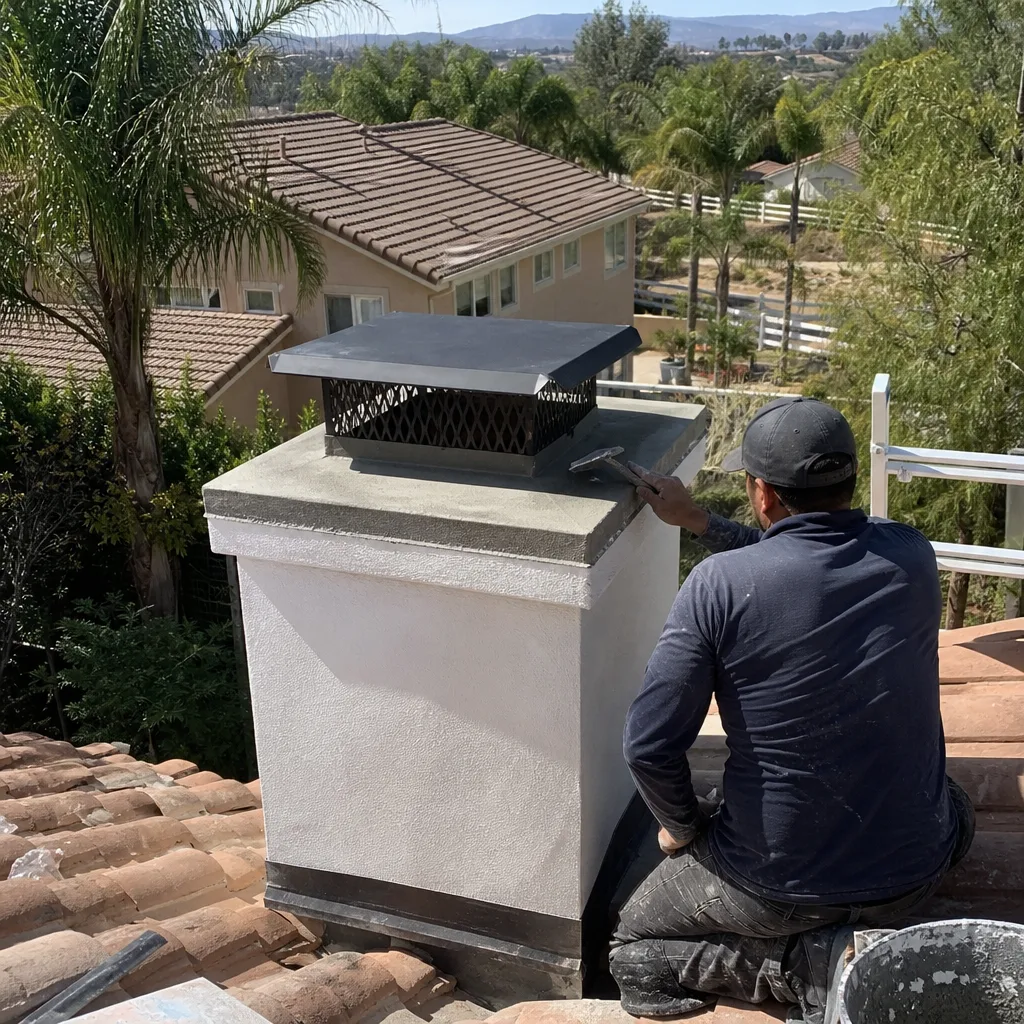
- Permit required: Flue liner replacement or installation (including stainless steel liners like DuraFlex systems), firebox rebuild, smoke chamber parging beyond surface touch-up, crown replacement with new concrete or metal, structural repair to the chimney stack, replacement of a chimney cap that requires mortar work or anchorage changes.
- Gray zone (verify with Riverside County): HeatShield resurfacing, minor repointing of a few loose bricks, replacing a damper assembly with a different type.
The rule of thumb we use with homeowners in Temecula: if a part comes out and a new part goes in, ask whether the new part changes how the chimney works or how it’s attached. If the answer is yes, assume a permit may be needed. The county building department can confirm in one phone call, and that call costs nothing.
The reason this matters isn’t just code compliance. When a repair changes the flue system, the inspector verifies the work meets clearance-to-combustibles, draft, and material standards that a homeowner can’t easily evaluate. A liner that’s installed without an inspection may be too small for the appliance, improperly insulated, or terminated below the crown, all of which can cause carbon monoxide problems. See our Chimney Sweep Troubleshooting: Common Problems and How to Fix Them for more on identifying these issues. The permit isn’t bureaucracy. It’s the only way a third party verifies the job was done right.
How California Building Code Governs Chimney Work
California adopts the International Building Code (IBC) and International Residential Code (IRC) with state-specific amendments. Chimney and fireplace construction falls under CBC Chapter 10 and the California Residential Code (CRC) Chapter 10, which are largely aligned with the IRC but with California’s stricter seismic and air-quality requirements. For an existing chimney, the relevant standard is not construction, but maintenance and alteration, which brings in CBC Chapter 1 and the referenced standard NFPA 211.
NFPA 211 is the National Fire Protection Association’s Standard for Chimneys, Fireplaces, Vents, and Solid Fuel-Burning Appliances. California adopts it by reference. This is the standard that defines what constitutes a safe chimney, what a Level 1, Level 2, and Level 3 inspection must include, and what triggers each level. When a contractor says they follow NFPA 211, that’s the code reference behind the claim.
Here’s how the code works in practice for a Temecula home:
- Construction and structural alteration: Governed by CBC Chapter 10 and requires a permit from Riverside County Building & Safety.
- Maintenance and cleaning: No permit, but must be performed to the standard of care established by NFPA 211.
- Repair and reconstruction: Permit required, and the repair materials must comply with the current code, not the code from when the house was built. That means a 1980s chimney with a clay liner that’s now cracked may need a modern UL-listed liner system like a DuraFlex stainless steel liner, not another clay tile patch.
- Inspection after repair: The Authority Having Jurisdiction (AHJ), which is Riverside County for Temecula, must inspect the work before it’s enclosed or covered up.
The code’s intent is straightforward: a chimney carries fire and carbon monoxide out of the house. When a component fails, the repair must bring the system to a minimum safety standard. The permit process ensures that happens with documentation, not just a contractor’s word. That documentation is what protects you later, at resale or after an insurance claim.
We’ve worked on chimneys across Temecula, from older homes in the Meadowview area to newer construction in Harveston, and the code application is the same. What differs is how much of the original chimney is still compliant. A chimney built to 1985 standards may not meet today’s clearance and material requirements, which means repair often involves bringing the entire flue system up to current code, not just patching the failed part.
Riverside County AHJ Requirements for Temecula Homes
Temecula is an incorporated city, but permits for residential construction and repair are handled by the Riverside County Building & Safety Department through a contract with the city. This means when you pull a chimney repair permit in Temecula, you’re working with the county’s permit portal, the county’s inspectors, and the county’s fee schedule. Here’s what that process looks like:
- Permit application: The contractor or homeowner files a building permit application through the Riverside County permit portal, describing the scope of work. For a liner replacement, the application typically references the UL listing of the liner system and the manufacturer’s installation instructions.
- Plan review (sometimes): For a straightforward liner replacement, plan review is often not required. For more involved work, like a firebox rebuild or chimney stack repair, the county may require a simple drawing or material specification before issuing the permit.
- Permit issuance: The county issues the permit with a declared valuation. Fees for chimney repairs in Riverside County are typically in the $150 to $400 range, depending on the scope. The permit fee is separate from the contractor’s labor and materials.
- Field inspection: This is the step most people don’t know about. The county inspector visits the home while the work is in progress, typically after the old liner or firebox material is removed and before the new material is enclosed or finished. The inspector verifies clearances, material compliance, and that the installation matches the permit description.
- Final sign-off: Once the work passes inspection, the county records the permit as finaled. This is the documentation you want in your property file.
What triggers a field inspection in Temecula is specific: any replacement of a flue liner, any firebox reconstruction, any structural chimney repair, and any crown replacement that involves concrete or metal. A simple repointing of a few bricks, which is mortar repair, may not require a permit if it’s cosmetic and doesn’t affect structural integrity. But the county’s rule of thumb is: if you’re replacing more than a few bricks or altering the flue, call first.
We’ve seen homeowners in Temecula get tripped up by assuming their contractor handled the permit. That’s a dangerous assumption. The permit belongs to the property owner, not the contractor, even when the contractor files it. If the permit was never filed, the homeowner is the one holding the liability at resale.
What a Level 2 Inspection Is and When California Law Requires It
NFPA 211 defines three levels of chimney inspection. Most homeowners in Temecula only ever get a Level 1, which is the visual check done during a routine sweep. A Level 2 is more involved, and there are specific situations where it’s legally required, not just recommended.
A Level 2 inspection includes everything in a Level 1, plus examination of accessible attics, crawl spaces, and basements, and a video scan of the flue interior. The camera is the key difference. A Level 1 is a visual check of readily accessible areas. A Level 2 uses a camera to see the entire flue, including sections behind walls and above the roofline, where a visual check can’t reach.
California law and NFPA 211 require a Level 2 inspection in these situations:
- Upon sale or transfer of the property
- After a chimney fire, earthquake, or severe weather event that may have damaged the chimney
- After any malfunction of the heating appliance or fireplace
- When a change is made to the system, such as a different fuel type, a new appliance, or a liner replacement
In real estate transactions, the sale trigger is the one that affects the most people. If you’re buying or selling a home in Temecula with a fireplace or wood stove, a Level 2 inspection is the legal standard, not just a nice-to-have. Home inspectors typically perform a basic visual check, but a certified chimney professional performing a Level 2 inspection with a camera is the only way to document the flue’s true condition.
We perform Level 2 inspections in Temecula regularly, and the camera often reveals what a visual check misses: a cracked clay liner, a separated flue section, or a hidden creosote accumulation behind the damper. The inspection isn’t about selling repair work. It’s about documenting what’s actually there. If the flue is clean and intact, the camera proves it. If it’s not, the camera shows you the problem, and you can see it with your own eyes.
One thing homeowners don’t expect: a Level 2 inspection is different from a sweep. It’s more time-intensive because of the camera work, and it’s typically priced separately. Some companies bundle it, but you should expect a line item for the inspection. The cost is modest, usually in the $150 to $350 range in the Temecula market, and it’s the only way to document compliance if a question ever arises.
Why Some Contractors Skip Permits on Liner Work (and What It Costs You)
A stainless steel liner replacement is the most common chimney repair in Temecula. Clay liners crack over time, and the fix is to install a UL-listed flexible or rigid stainless liner inside the old flue. It’s a standard job, but it requires a permit. Some contractors don’t pull one. Here’s why that happens and what it means for the homeowner.
Contractors skip permits for a few reasons: the permit adds a few hundred dollars to the job, it requires scheduling an inspection, and it puts the work under county scrutiny. A contractor who’s installing liners without permits is usually trying to be the low bidder, or they’re not confident the work will pass inspection. Neither of those is a reason a homeowner should accept.
The consequences of unpermitted liner work are concrete:
- Home sale disclosure: California law requires sellers to disclose any known unpermitted work. If the liner was replaced without a permit and you know it, you must disclose it. That disclosure can delay a sale, reduce the sale price, or force you to obtain a retroactive permit, which may require opening up the chimney to verify the work.
- Insurance claims: If a chimney fire or carbon monoxide incident occurs and the investigation finds the liner was replaced without a permit, the insurance company may deny the claim. The policy requires that the home’s systems be legally installed and maintained. An unpermitted liner is a policy violation.
- Retroactive permit risk: Riverside County can issue a retroactive permit for unpermitted work, but the process is more expensive and requires the work to be exposed for inspection. If the liner was installed without documentation, the inspector may require the liner to be pulled out and reinstalled so the work can be verified.
We use professional-grade liner materials, including DuraFlex flexible stainless steel systems, because they’re UL-listed for the purpose and their installation instructions are accepted by Riverside County inspectors. When the liner manufacturer provides clear installation specs and the permit application references that UL listing, the inspection process is straightforward. A HeatShield resurfacing job, which we also perform, has its own manufacturer protocols that the county accepts when documented correctly.
The permit isn’t a tax. It’s a record that a third party verified the work. That record is worth more than the permit fee when you sell the house or file a claim. If a contractor tells you a permit isn’t needed for liner work, get that in writing. Then call Riverside County Building & Safety and ask the question yourself. The answer will be quick, and it’ll tell you everything you need to know about that contractor.
How to Pull Your Property’s Permit History
If you’ve owned your Temecula home for a while, or you’re buying one, it’s worth checking whether past chimney work was permitted and finaled. Riverside County makes this easy to do online, and it’s free to look.
- Go to the Riverside County Building & Safety permit portal. The county maintains a public search tool for permits by address or parcel number.
- Search by address. Enter your Temecula address, and the portal will show all permits associated with the property, including building, electrical, plumbing, and mechanical permits. Look for permits that reference chimney, fireplace, flue, or vent work.
- Check the status. A permit with a “finaled” status means the county inspected the work and signed off. A permit with a “canceled” or “expired” status means the work may have been done but never inspected, or the permit was never used.
- Note what’s missing. If you see no permit for a liner replacement or firebox repair that you know was done, the work was likely unpermitted. That’s a disclosure issue if you’re selling, and a repair liability if you’re buying.
If you find unpermitted work, you have options. A retroactive permit can often be obtained, but the work must be verified, which may mean removing and reinstalling components. In some cases, a Level 2 inspection with a camera can document the current condition of the flue, which gives you a starting point for deciding whether a retro permit is worth pursuing.
The permit history also tells you how the home has been maintained. A Temecula home with a stack of finaled permits for HVAC, electrical, and chimney work is a well-documented property. A home with no permits for 30 years may be fine, or it may have a long history of unpermitted work. The permit portal answers that question in five minutes.
Common Mistakes to Avoid
- Assuming any chimney work needs a permit. Routine cleaning doesn’t need a permit, and assuming it does can lead to overpaying for unnecessary bureaucracy. The line is cleaning versus repair, and most sweeps fall on the no-permit side.
- Assuming no chimney work needs a permit. A liner replacement without a permit is a real liability. The contractor who says “nobody permits these” is either careless or inexperienced, and the homeowner carries the risk.
- Confusing a home inspection with a Level 2 chimney inspection. A general home inspector looks at the fireplace from the outside and may note visible issues. A Level 2 inspection uses a camera to see the entire flue. In a real estate transaction, the Level 2 is the required standard, not the general home inspection.
- Skipping the permit because it delays the job. The Riverside County permit process for a liner replacement adds a few days to a week. That time is the cost of having the work documented and inspected. Trading that for speed is a bad deal.
- Not checking permit history before buying. A buyer who doesn’t pull the permit history for a Temecula home may inherit unpermitted chimney work and the disclosure obligation that comes with it. The permit portal is free to search.
- Hiring a handyman for liner work. A liner replacement is not a handyman job. It requires knowledge of NFPA 211, UL listing requirements, and Riverside County inspection standards. A general handyman may be able to install a liner, but if it fails, the homeowner bears the cost of the failure and the insurance claim.
When to Call a Professional
Call a chimney professional when you see flue damage on a camera scan, when you’ve had a chimney fire or a strong creosote odor, when you’re selling or buying a home with a fireplace or wood stove, or when you suspect past chimney work was done without a permit. Also call if you see rust on the fireplace damper, water staining on the ceiling near the chimney, or loose bricks or mortar on the stack. These are signs the system needs a Level 2 inspection, and possibly repair. Oakridge Chimney Sweep home offers free estimates in Temecula. We perform Level 1 and Level 2 inspections, chimney sweeping, Dryer Vent Cleaning in Coto De Caza, and Chimney Repair in Coto De Caza. Call (866) 563-3051 to schedule an inspection or ask about a permit question.
Frequently Asked Questions
No permit is required for routine chimney sweeping or inspection in California. Cleaning is classified as maintenance and does not require a permit from Riverside County or any other California jurisdiction.
A standard chimney sweep in Temecula typically costs between $200 and $350, depending on the chimney’s condition and accessibility. If a Level 2 camera inspection is added, expect to pay $150 to $350 more. Call (866) 563-3051 for a free estimate.
Yes, replacing a flue liner is a repair that requires a building permit from Riverside County Building & Safety. The permit includes a field inspection to verify the liner installation meets current code and the manufacturer’s UL listing.
Unpermitted chimney repair can trigger disclosure obligations at home sale and may void insurance coverage if a chimney fire or carbon monoxide incident occurs. Riverside County can also require a retroactive permit, which may involve exposing the work for inspection.
The National Fire Protection Association recommends a chimney sweep at least once per year for wood-burning fireplaces that see regular use. In Temecula, where winters are mild and fires are often intermittent, many homeowners can go 18 to 24 months, but an annual inspection is the safest practice. Call (866) 563-3051 to schedule a sweep.
A cracked or deteriorated clay liner is not something you can see without a camera, and a contractor who recommends replacement without showing you the camera footage is not doing their job. We show homeowners the camera scan before recommending any liner work. If the flue is intact, we say so. Nothing is recommended without evidence you can see for yourself. Call (866) 563-3051 for an honest camera inspection.
Yes, NFPA 211 requires a Level 2 inspection when a property is sold or transferred. A general home inspection is not a substitute. The Level 2 inspection includes a video scan of the flue interior and is the only way to document the chimney’s condition for the sale.
The Bottom Line
Chimney cleaning in California is permit-free. Chimney repair is not, and the line between the two is where most homeowners get into trouble. When the work crosses into liner replacement, firebox reconstruction, or structural repair, get a permit from Riverside County. When a home is being sold, get a Level 2 inspection. And when a contractor says a permit isn’t needed, verify it yourself. The permit fee and inspection are small costs compared to the liability of unpermitted work. For homeowners in Temecula, Chimney Sweep in Coto De Caza and surrounding areas, the best protection is documentation: a finaled permit, a camera scan, and a repair that was inspected by the county. That’s the difference between a chimney that’s been cleaned and a chimney that’s been certified.
See the difference
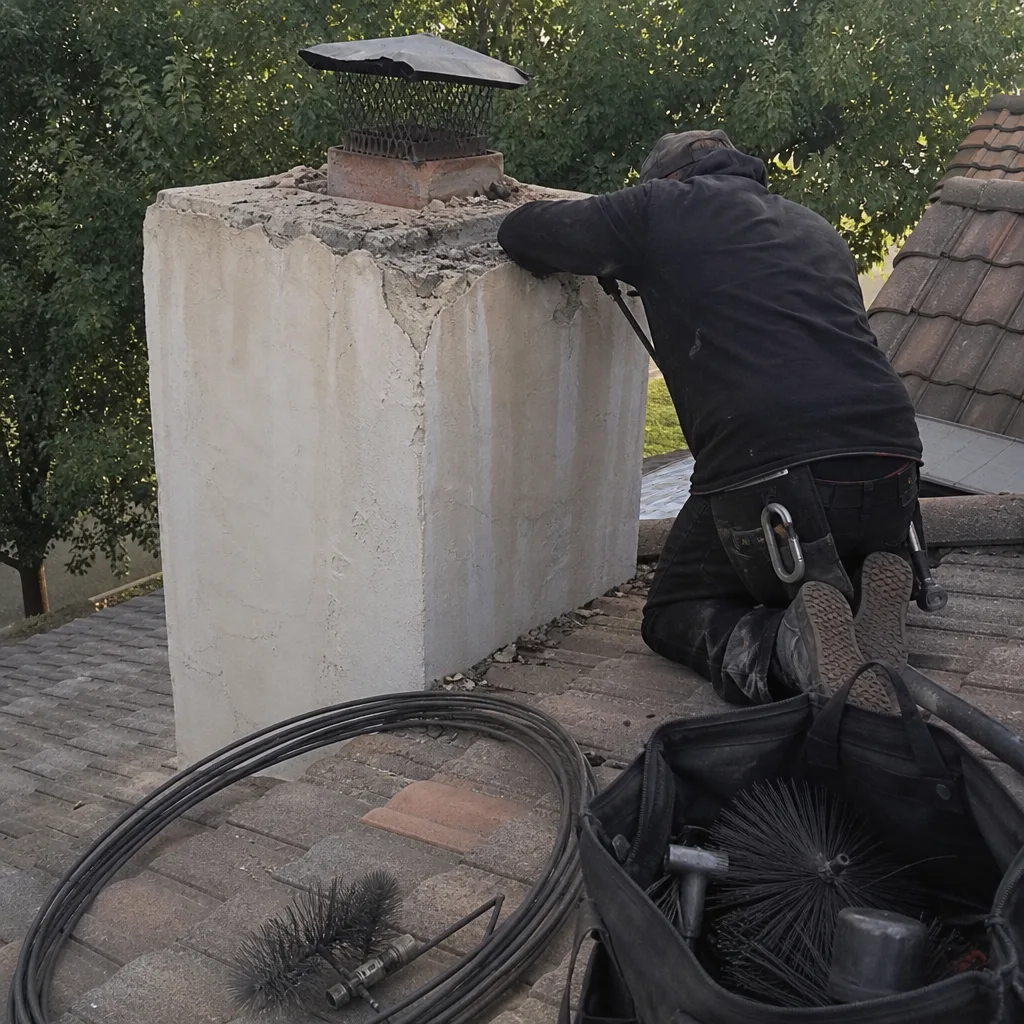 Before
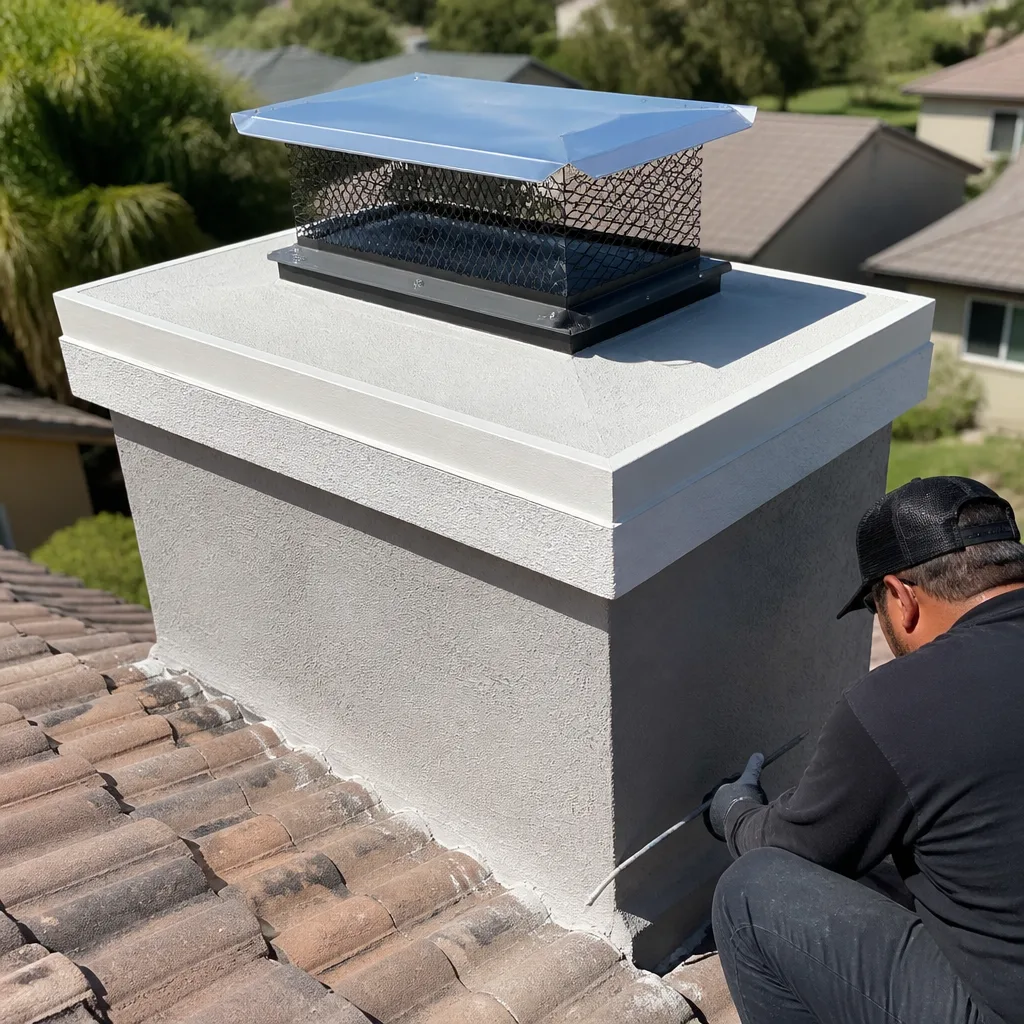 After
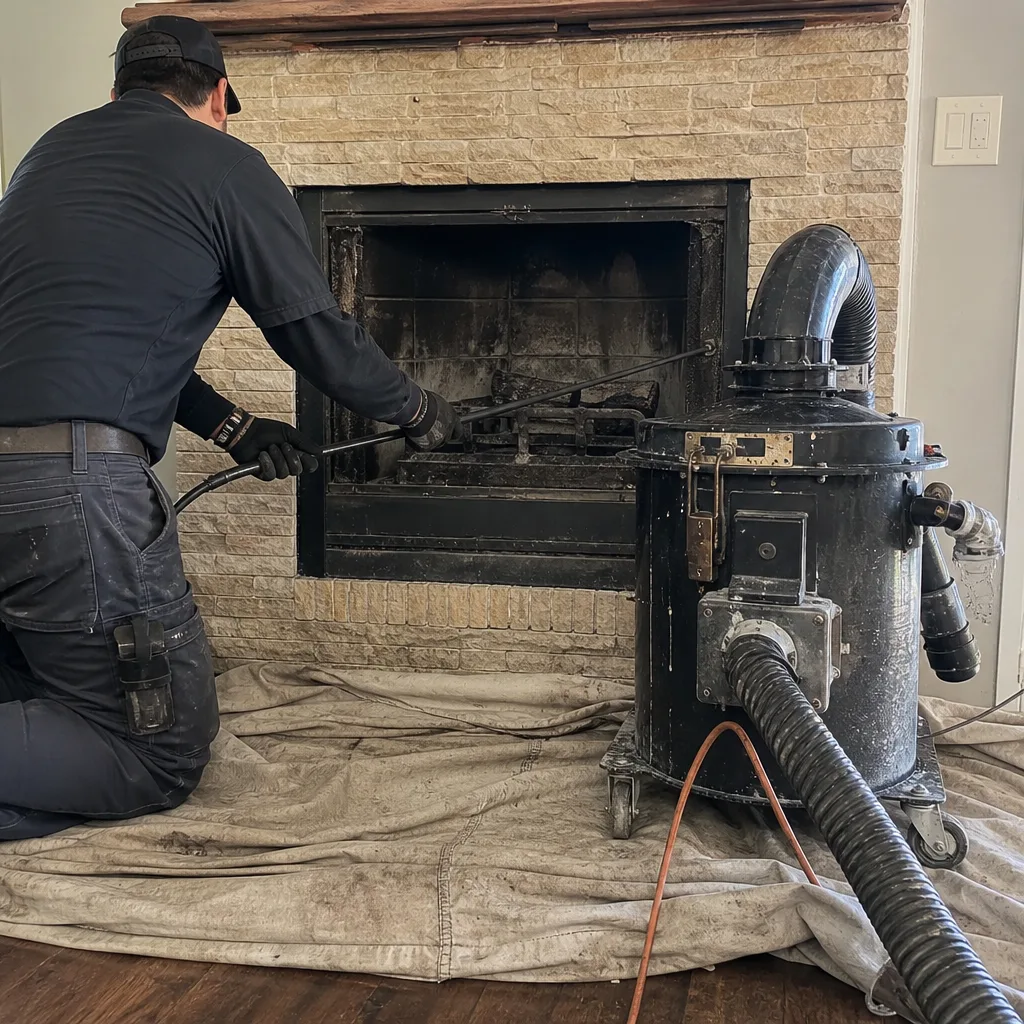 Before
 After
 Before
 After