Last updated October 30, 2026
 Sweep & inspection
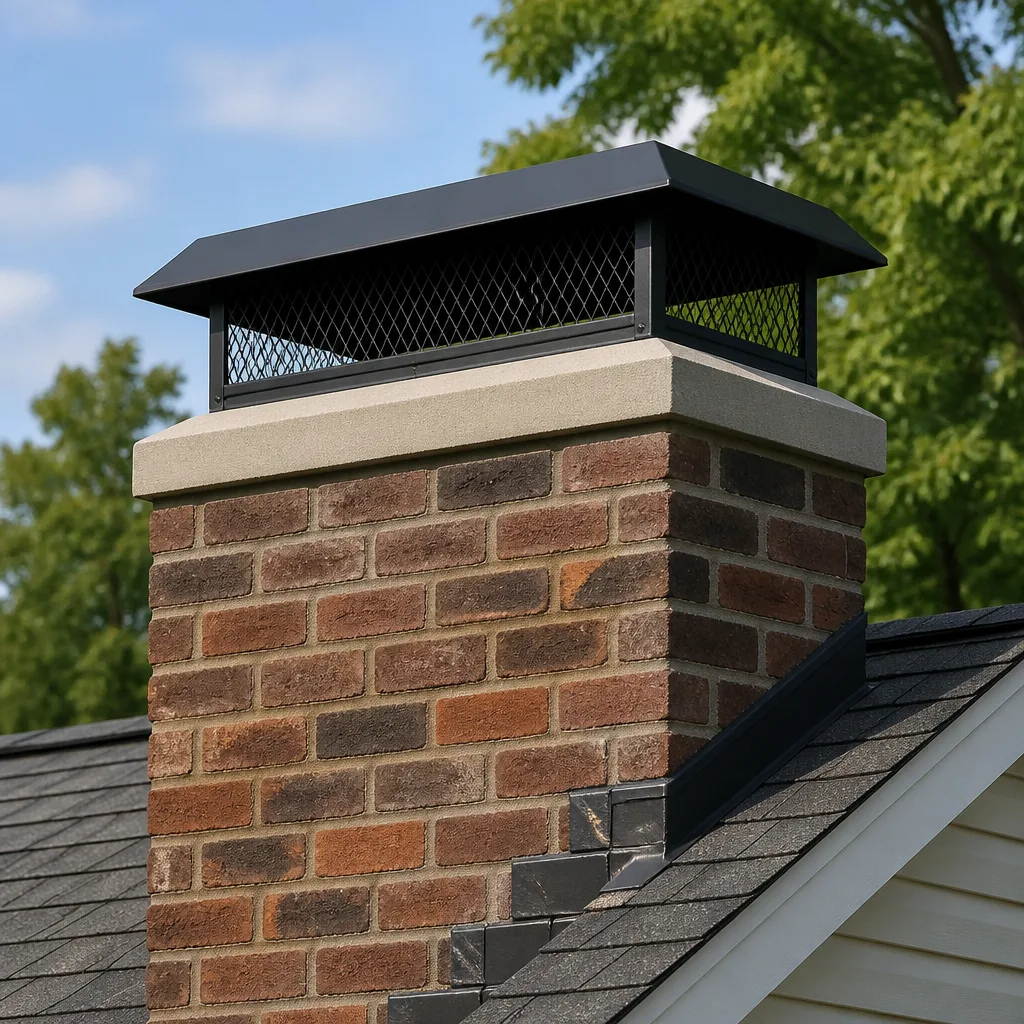 Caps & crowns
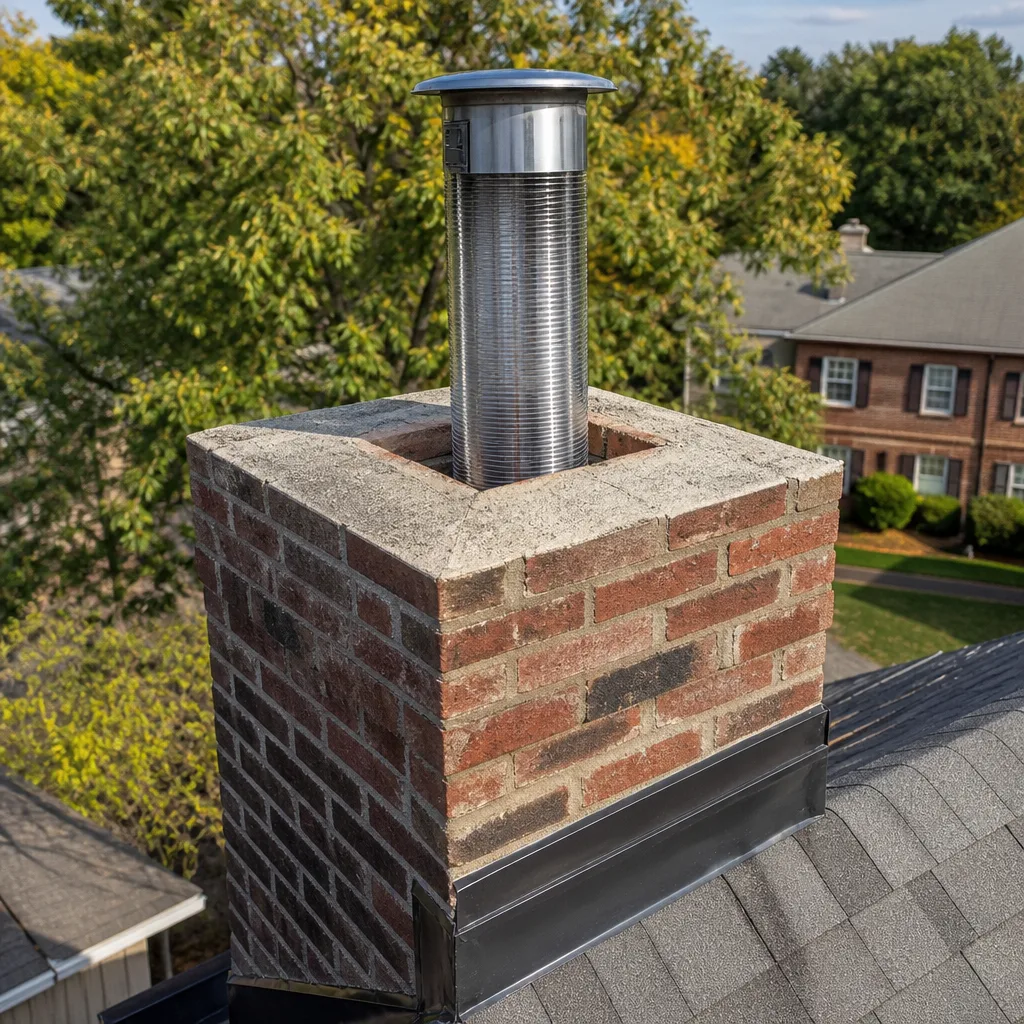 Flue relining
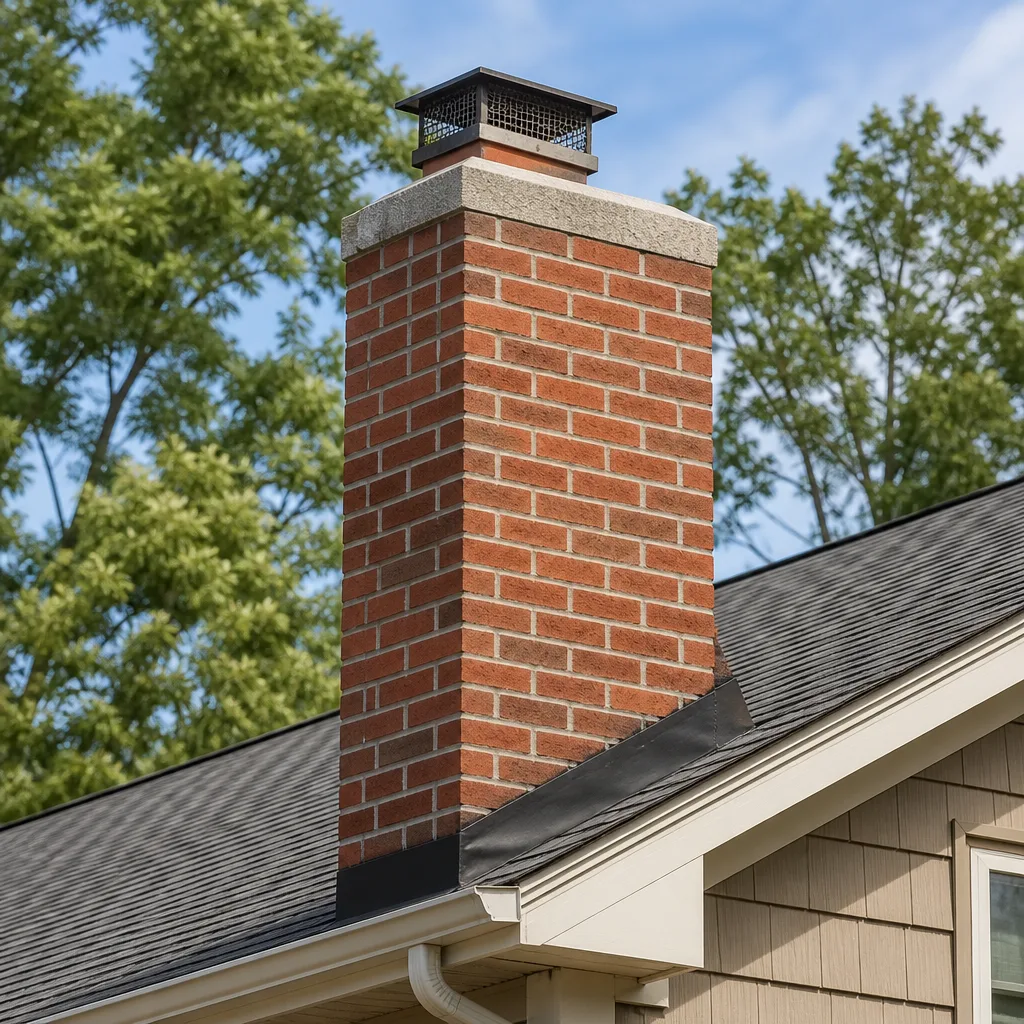 Masonry repair
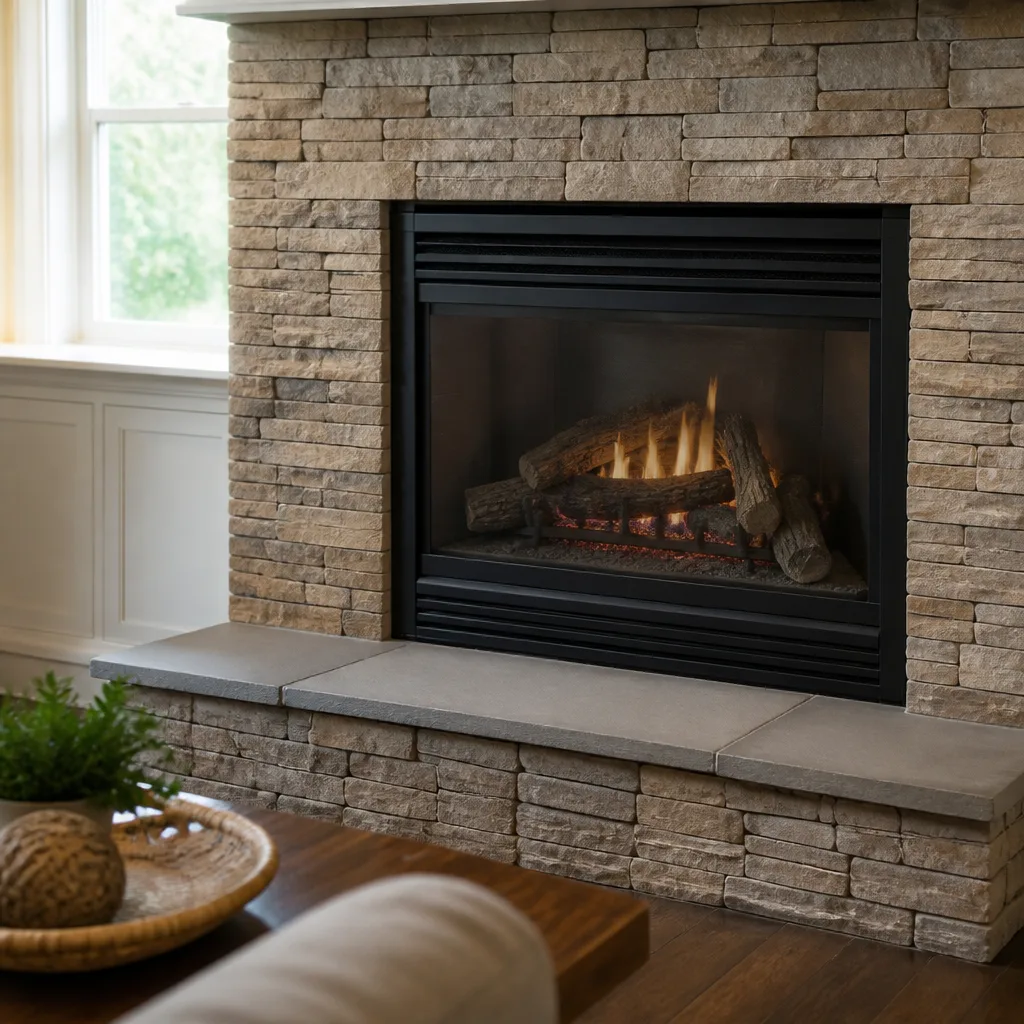 Gas fireplace service
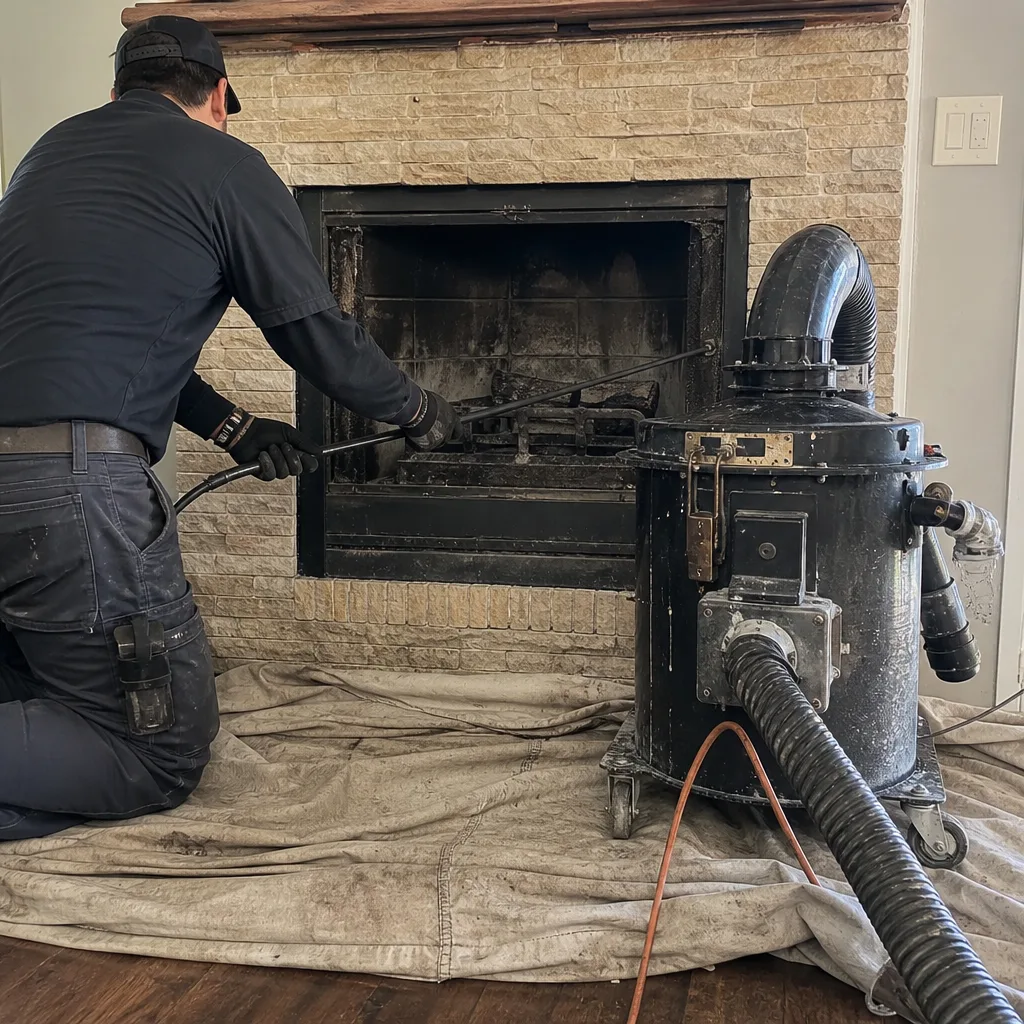
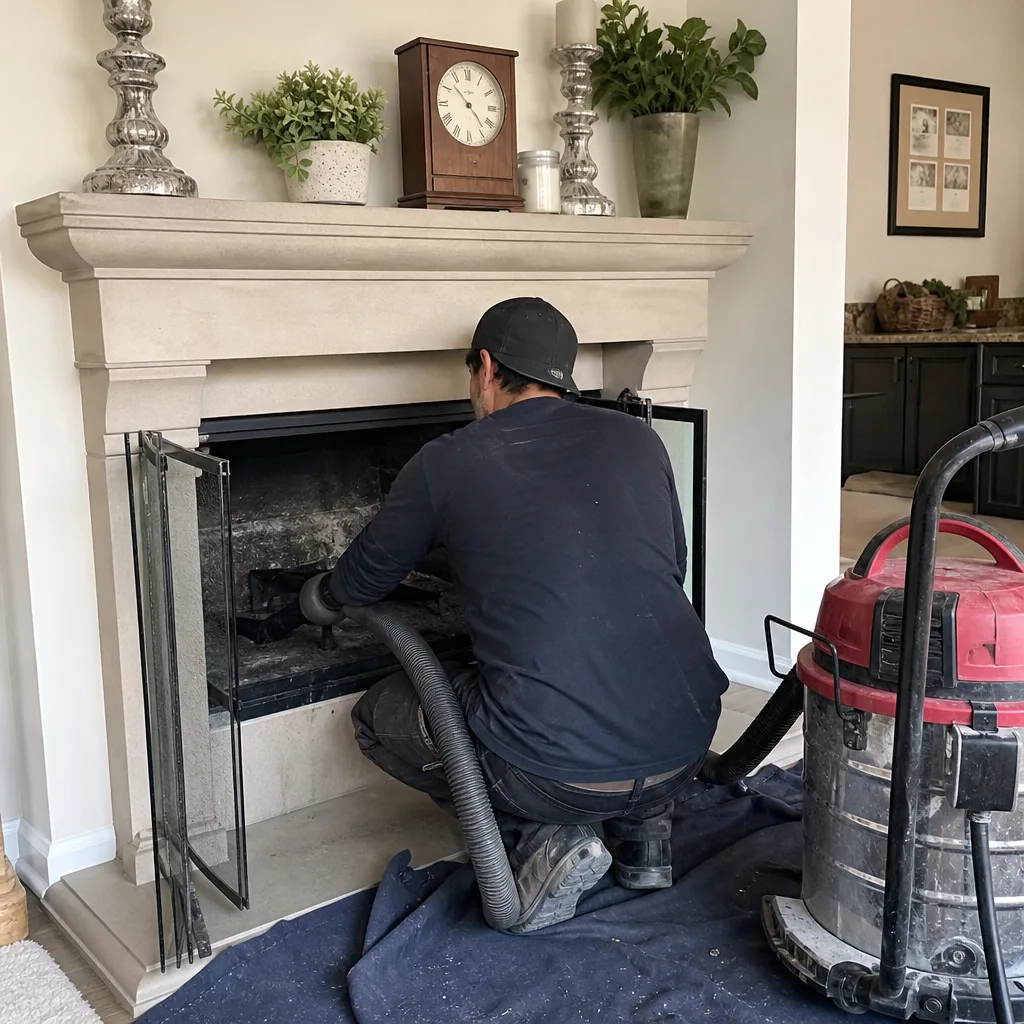
Level 1 sweep and inspection to the NFPA 211 annual standard - flue, crown, cap, and flashing checked and photographed
Chimney sweep logs do not sweep chimneys. They loosen some creosote - which then falls where a brush and vacuum still have to collect it.
Chimney Cleaning Warning Signs: A Temecula Homeowner’s Reference Guide
A smoky odor in your living room on a warm July afternoon, with no fire burning, isn’t a draft problem. It’s almost always negative pressure inside your house, created by modern air sealing that traps outside air from pulling down the flue, and no amount of chimney cleaning will fix it. Knowing the difference between that and the smell of wet creosote after rain saves Temecula homeowners a service call, or worse, years of chasing a problem that was misdiagnosed from the first visit. This guide and our Chimney Sweep Troubleshooting: Common Problems and How to Fix Them resource explain what each warning sign actually means, so you can describe the real issue to a technician instead of just reporting a smell.
Quick Answer
The warning signs that demand attention are smoke entering the room during a fire, a persistent smoky odor when the fireplace is cold, visible black or shiny tar-like deposits inside the firebox, white staining on exterior brick, and a damper that rattles or won’t stay open. If you see thick, glossy creosote or smell smoke with no fire burning, stop using the fireplace immediately and have it inspected. Small flaky soot from occasional fires is normal, but anything sticky or glassy is a fire hazard that needs professional removal before the next burn.
Styles & brands we work with
Table of Contents
- The Smoke Smell Difference: Cold vs. Burning
- What White Staining on Your Chimney Actually Means
- Why a Rattling or Stuck Damper Matters More Than You Think
- How to Identify Creosote Buildup With Just a Flashlight
- When to Stop Using the Fireplace Immediately vs. When You Can Wait
- How Temecula’s Climate Accelerates Chimney Problems
- Common Mistakes to Avoid
- When to Call a Professional
The Smoke Smell Difference: Cold vs. Burning
Most homeowners lump all chimney odors together. That’s the first mistake. A smell of smoke when a fire is actively burning points to a draft or blockage problem. A smell of smoke when the fireplace has been cold for days points to something else entirely, usually a negative pressure condition inside the home or a buildup of creosote that releases odor in humidity. These two scenarios have different causes, and treating them the same wastes both time and money.
When smoke enters the room during a fire, the likely culprits are a flue obstruction like a bird nest or heavy creosote narrowing the passage, a damper that won’t fully open, or a competing air demand in the home such as a bathroom exhaust fan or a kitchen range hood running during the fire. Temecula homes built in the 1990s and 2000s are generally sealed tighter than older ranch-style construction, so mechanical exhaust has a more direct pull on the flue. The chimney’s natural draft needs replacement air, and if that air has to fight a running dryer or a closed house, the smoke backdrafts into the room.
The cold-smoke smell is different. On a warm day, with the damper closed and no fire, the air column inside the flue can reverse direction. Instead of rising out, the air falls down into the living space, carrying the smell of whatever is coating the flue walls. Creosote, soot, and ash absorb moisture from the air and release odor. In Temecula’s dry summers, the effect is less pronounced than in coastal cities, but the smell still appears in early mornings when temperatures drop and the stack effect pulls outdoor air into the chimney. The fix is usually a combination of cleaning and managing household air pressure, not an expensive liner replacement.
One more detail most guides never mention: the age of the smell. Fresh wood smoke odor within hours of a fire is expected and usually harmless. A stale, acrid smell that has sat in the room for days without a fire is a sign of creosote accumulation that has absorbed into the flue surface. That’s the smell of fuel, and it’s flammable.
What White Staining on Your Chimney Actually Means
White chalky deposits on exterior brick, called efflorescence, are not a cosmetic problem. They are a water leak indicator. Water enters the masonry through cracks in the crown, failing mortar joints, or a missing cap, travels through the brick, and carries natural salts to the surface. When the water evaporates, the salt remains as a white stain. The stain itself is harmless. The water that made it is not.
In Temecula, efflorescence follows a seasonal pattern. The rains arrive between November and March, soak into any opening in the chimney structure, and the white deposits appear in the weeks after the storms pass. A homeowner who only looks at the chimney during summer sees a stain that may have been there for six months without knowing whether the leak is active or old. The way to read the signal is to check whether the stain grows after the next rain. Active water intrusion means the stain returns larger, sometimes with spalling brick faces flaking off in the same area.
The deeper concern is what the water is doing inside the flue. Moisture reaching the flue liner degrades the masonry and accelerates creosote corrosion. Water plus creosote creates an acidic compound that eats through liner joints and eventually the mortar holding the chimney together. This is how a five-hundred dollar crown repair becomes a several-thousand dollar flue rebuild. The staging of damage works like this:
- First season: small crack in the crown lets water in. Efflorescence appears. No other symptoms.
- Second to third season: water reaches the flue liner. Creosote turns sticky and acidic. The interior smoke chamber begins deteriorating.
- Fourth to fifth season: liner joints fail. Smoke stops drawing correctly. Pieces of flue tile show up in the firebox.
- Beyond that: chimney structure itself is compromised, and repair options narrow significantly.
When we inspect a chimney with efflorescence, the first question is not how to clean the brick, but where the water is entering and how far it has traveled. Chimney repair in Coto De Caza addresses the same water intrusion patterns we see in Temecula, where exposed chimneys on ridge lines take the full force of storm winds. The crown, the cap, the flashing at the roofline, and the mortar joints are the four entry points, and each has its own fix.
Why a Rattling or Stuck Damper Matters More Than You Think
A damper that rattles in the wind or won’t stay in position is easy to ignore because it doesn’t stop the fireplace from working. But the damper is the only seal between your living space and the outside air column in the chimney. When it fails, it costs you in three specific ways.
First, energy loss. An open or partially open damper in a Temecula winter lets heated indoor air escape up the flue continuously. The fireplace that warmed the room on a Saturday evening becomes a heat drain for the other six nights of the week. Homeowners notice the downstairs thermostat reading lower than expected in rooms adjacent to the fireplace, and they don’t connect it to the damper because the fire has been out for days.
Second, safety. A damper that won’t stay fully open during a fire restricts exhaust flow. That restriction is exactly what causes smoke to spill into the room. If the damper plate has warped from years of heat, it may appear closed when it is actually partially open, or appear open when it is half-blocking the flue. The visual check from inside the firebox doesn’t tell you the full story. In older Temecula homes, we find dampers that are decades past their usable life, with the hinge assembly rusted enough that the plate no longer seats cleanly. This is not a convenience problem; it’s a component that has stopped doing its job.
Third, smell and pests. A failed damper seal allows the cold-smoke odor described earlier to enter the home whenever the airflow direction reverses. It also gives rodents and birds an easier path into the flue. In the scrub oak and chaparral zones around Temecula’s hillside neighborhoods, roof rats and starlings are a consistent presence. A chimney without a functioning top-seal damper is an invitation.
The practical decision framework here is simple. If the damper rattles but still opens and closes with normal effort, schedule a service visit at your convenience. If it sticks, won’t move, or falls shut on its own, stop using the fireplace until it’s repaired. A damper that closes mid-fire is a smoke event waiting to happen.
How to Identify Creosote Buildup With Just a Flashlight
You don’t need technical training to spot dangerous creosote. You need a flashlight and thirty seconds. Open the damper fully, kneel at the fireplace opening, and aim the light up at the flue walls. What you see falls into three categories that correspond to how urgently you need a chimney sweep in Coto De Caza or wherever you’re located.
First-degree creosote looks like fine black dust or soot brushing off the flue walls. It’s powdery and dry. This is what accumulates from hot, efficient fires with well-seasoned wood. It’s flammable, but a normal amount from a season or two of weekly use is manageable. A standard sweep removes it.
Second-degree creosote appears as brittle black flakes or a rough, cracked coating. The texture is similar to burnt barbecue residue on a grill grate. It peels away in pieces if scraped. This forms from cooler fires, occasional green wood, or a flue that runs cold too often. It ignites at a lower temperature than first-degree deposits and burns hot enough to crack flue liners. This needs removal before the next fire.
Third-degree creosote is what concerns us most. It looks like tar, glossy and black, sometimes with a brownish sheen. It drips down from the flue walls and pools at the smoke shelf or just above the damper. It’s the product of repeated low-temperature fires, wet wood, or restricted airflow. Third-degree creosote is essentially hardened fuel coating the inside of your chimney. A chimney fire with this amount of deposit is not a possibility to monitor; it’s an event you prevent by not using the fireplace until the flue is professionally cleaned.
One field test that helps: run your finger (with a glove, if you prefer) along the flue wall if you can reach it safely. If it comes back with a dry black smudge, that’s first-degree. If it comes back with sticky residue, that’s third-degree. Don’t attempt this inside a hot fireplace, and don’t scrape third-degree deposits yourself with a wire brush. The brushing can knock the hardened creosote loose into the smoke chamber, and it’s flammable material landing in exactly the wrong place.
When to Stop Using the Fireplace Immediately vs. When You Can Wait
The decision framework for whether to keep burning comes down to one question: is there an active fire risk or a carbon monoxide risk present right now? If the answer is yes, the fireplace is off limits until the condition is corrected. If the answer is no, you have room to schedule service at a normal pace.
Stop using the fireplace immediately if:
- You see glossy, shiny, or tar-like creosote anywhere in the flue. That is third-degree accumulation, and it can ignite at temperatures as low as 451 degrees Fahrenheit, which a routine fire reaches easily.
- Smoke enters the room during a fire, even in small puffs. That indicates a draft reversal or blockage, and carbon monoxide is invisible in a smoke condition.
- You smell smoke inside the house when no fire has burned for more than 24 hours, and the smell is strong or getting worse. This can indicate creosote releasing combustible gases into living space.
- You see cracks, gaps, or missing sections in the flue liner when looking up from the firebox.
- You hear animals in the chimney, or you find nesting material, droppings, or dead birds in the firebox. An obstructed flue is a carbon monoxide hazard before it’s a fire hazard.
You can typically wait for a scheduled appointment if:
- You see first-degree soot or light flaky buildup, and about a year has passed since the last cleaning.
- The damper rattles slightly but still opens, closes, and stays in position.
- You notice light efflorescence that hasn’t grown significantly after the most recent rain.
- The fireplace smells faintly of smoke only immediately after a fire, and the smell fades within an hour.
- The fire burns fine, draws well, and produces no visible smoke in the room, but it’s been two or three years since the last professional sweep.
That last one is the one most homeowners delay on, and it’s the most preventable source of expensive repairs. If the fire draws cleanly and you’ve been burning weekly through a Temecula winter, the creosote is accumulating whether you see it or not. Schedule the sweep before it becomes visible. That’s how the original Oakridge Chimney Sweep home guidance has always framed it: the cheapest chimney repair is the one you don’t need because you cleaned on schedule.
How Temecula’s Climate Accelerates Chimney Problems
Temecula’s weather pattern creates a specific set of chimney conditions that differ from the coast or the high desert. We get hot, dry summers that bake the exterior masonry, followed by a winter rainy season that can bring several inches of rain in a single storm. The heat expansion and cooling contraction of brick and mortar through these swings is what opens hairline cracks that later become water entry points.
The diurnal temperature range matters more than the extremes. On a summer day with a high of 95 and a low of 60, the chimney structure moves through a 35-degree cycle every 24 hours. Multiply that by hundreds of days and the cumulative stress on mortar joints is significant. Homes in Temecula’s older neighborhoods, like Paloma del Sol and the original Rancho California tracts, have chimneys that have been cycling through these swings for thirty to forty years. The wear is visible in the mortar beds.
Wind is another factor. The Santa Ana events in fall push strong easterly winds through the Temecula Valley. A chimney cap that’s loose, a crown with a crack, or flashing that has worked its way up from the roofline all get tested harder during these events than at any other time of year. The wind-driven rain enters through the same gaps that heat expansion has already started. This is why we recommend checking the chimney crown and cap at the end of October, before the rainy season and the heaviest Santa Ana winds arrive.
Wood availability shapes burning habits too. Temecula homeowners who burn oak or eucalyptus from local tree removals, or who buy mixed cords from the agricultural areas east of town, often burn wood that hasn’t fully seasoned. Unseasoned wood produces more smoke at a lower burn temperature, which condenses into creosote faster than well-dried firewood. A winter of weekly fires with 25-percent moisture content wood can produce as much third-degree creosote as two seasons with properly dried wood. The climate creates the demand for fires; the wood supply creates the buildup rate.
One last local factor: the newer construction in the French Valley and Wolf Creek areas includes many homes with prefabricated fireplaces and direct-vent gas systems. These have different maintenance requirements than the masonry chimneys in older neighborhoods. A gas fireplace insert needs its venting inspected and the logs and burner serviced, but it does not accumulate wood-burning creosote. Knowing which system your home has determines which warning signs to look for.
Common Mistakes to Avoid
- Ignoring the cold-smoke smell because “the fireplace has been out for days.” That smell means the air column has reversed and you’re breathing what’s inside the flue. It needs attention, not air freshener.
- Burning a “chimney cleaning log” to remove buildup. These products loosen some first-degree soot, but they don’t clean the flue, and they give a false sense of safety if real creosote is present. They’re a supplement, not a sweeper.
- Closing the damper while the fire is still hot or warm. Embers can smolder for hours, and carbon monoxide gets trapped in the firebox and leaks into the home. Give the firebox time to cool completely.
- Painting over efflorescence or trying to seal it with waterproof paint. Sealing the surface traps the water inside the masonry, which then freezes, thaws, and expands in a cycle that destroys the brick from within. The water path has to be corrected from the outside.
- Assuming a gas fireplace needs no maintenance. Gas units don’t produce creosote, but their venting systems accumulate debris, bird nests, and corrosion that cause carbon monoxide problems. The venting still needs an annual check.
- Calling a handyman for chimney repair. A general contractor who fixes fences and patches drywall does not carry flue liner materials or understand smoke chamber geometry. Use a dedicated chimney professional for anything involving the flue interior or the structure’s fire safety.
- Waiting until the cold snap to schedule a sweep. Every chimney service company in Temecula books heavily in November and December. The October window is the best one for getting on the schedule before the rush, when the weather is still mild and the technicians aren’t running emergency calls.
When to Call a Professional
A professional chimney inspection is warranted any time you see the conditions described in this guide: visible glossy creosote, smoke entering the room, water staining or efflorescence, a damper that won’t hold its position, or odor that persists with no fire. These are the signs that something has already begun to degrade, and catching it early keeps repair costs in the hundreds instead of the thousands. Even without warning signs, an annual sweep before burning season is the standard recommendation for homeowners who burn wood regularly. For gas fireplaces, an annual venting check accomplishes the same purpose. Oakridge Chimney Sweep offers free estimates in Temecula and the surrounding areas. Call (866) 563-3051 to schedule an inspection or ask a specific question about what you’re seeing in your fireplace.
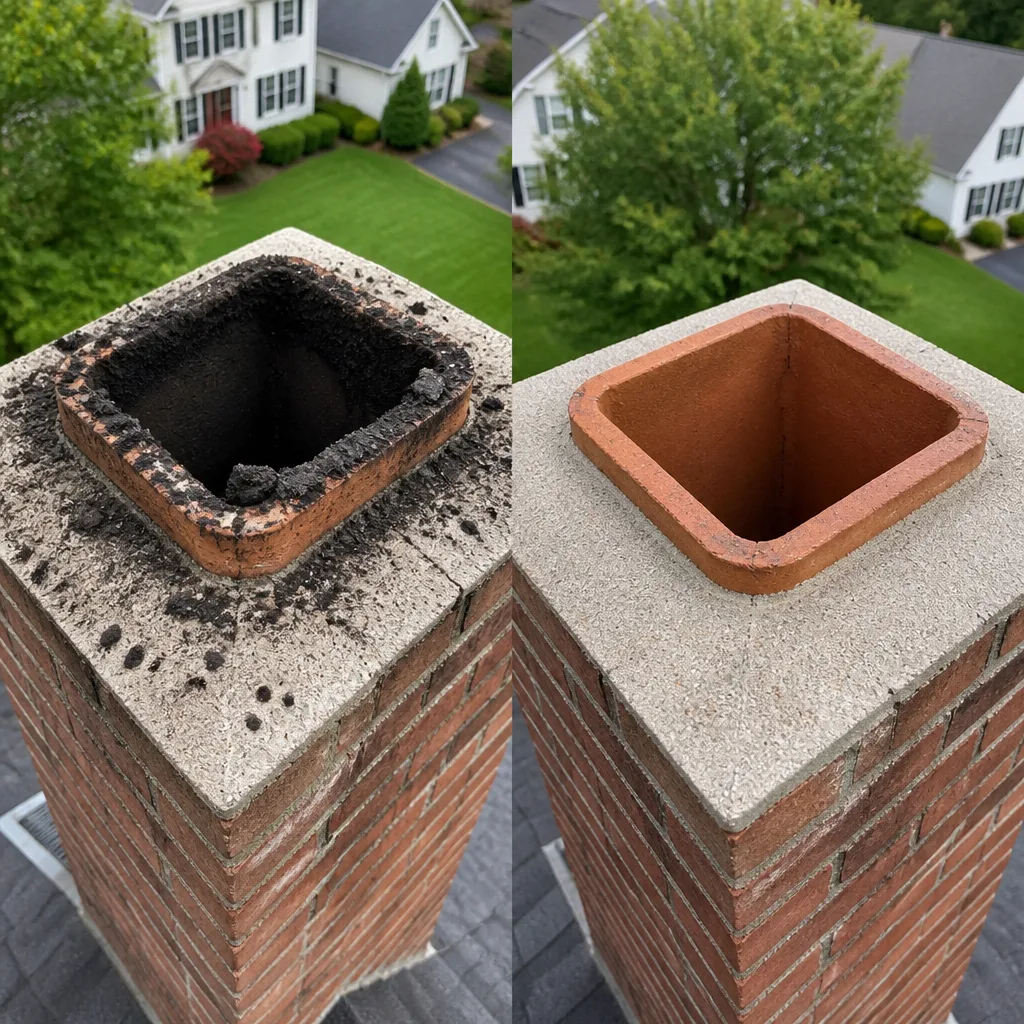
See the difference
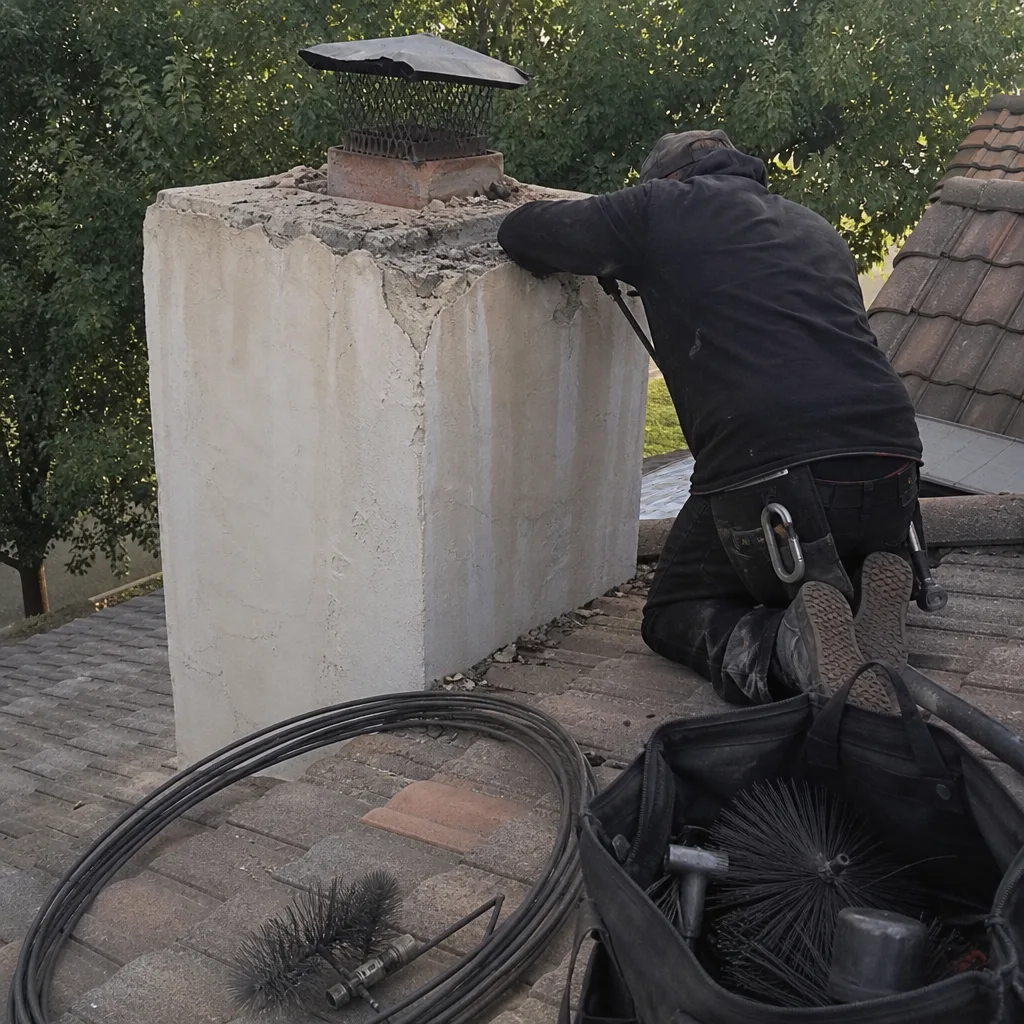 Before
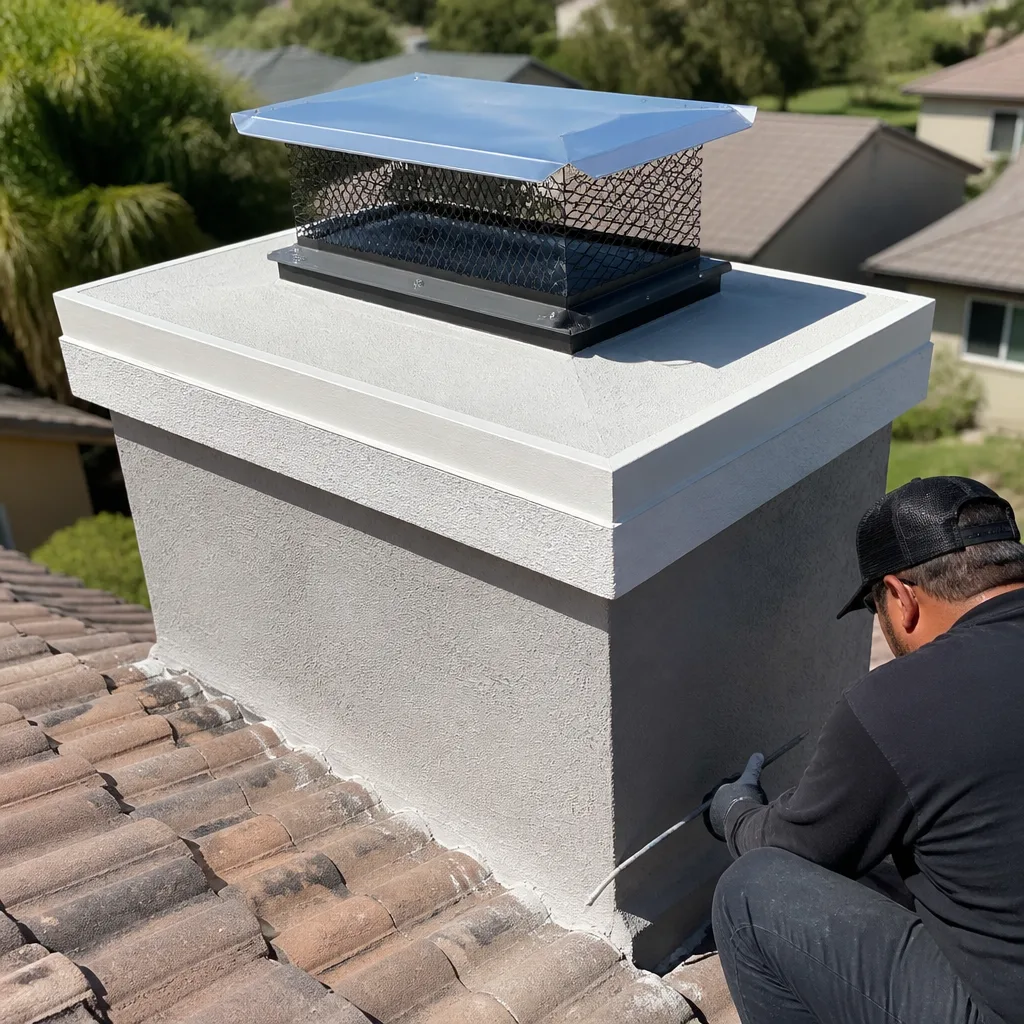 After
 Before
 After
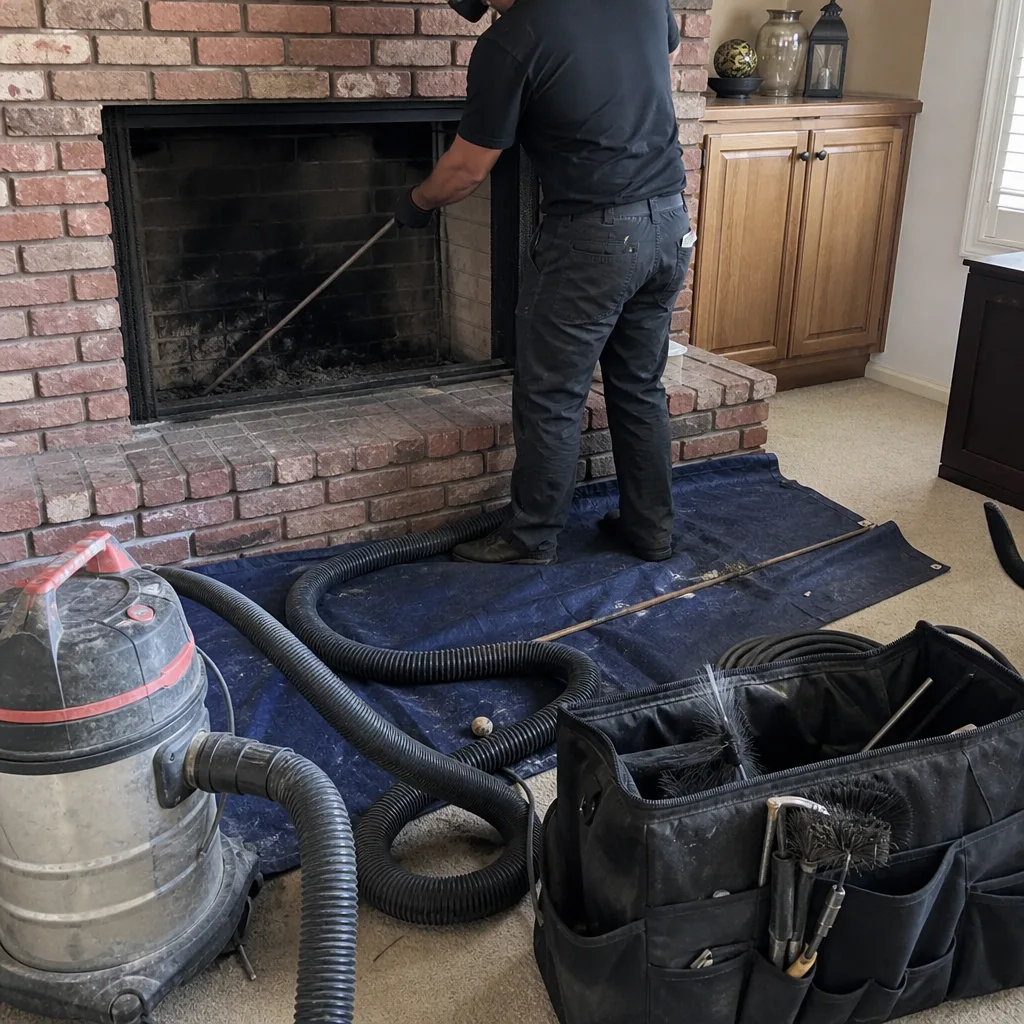 Before
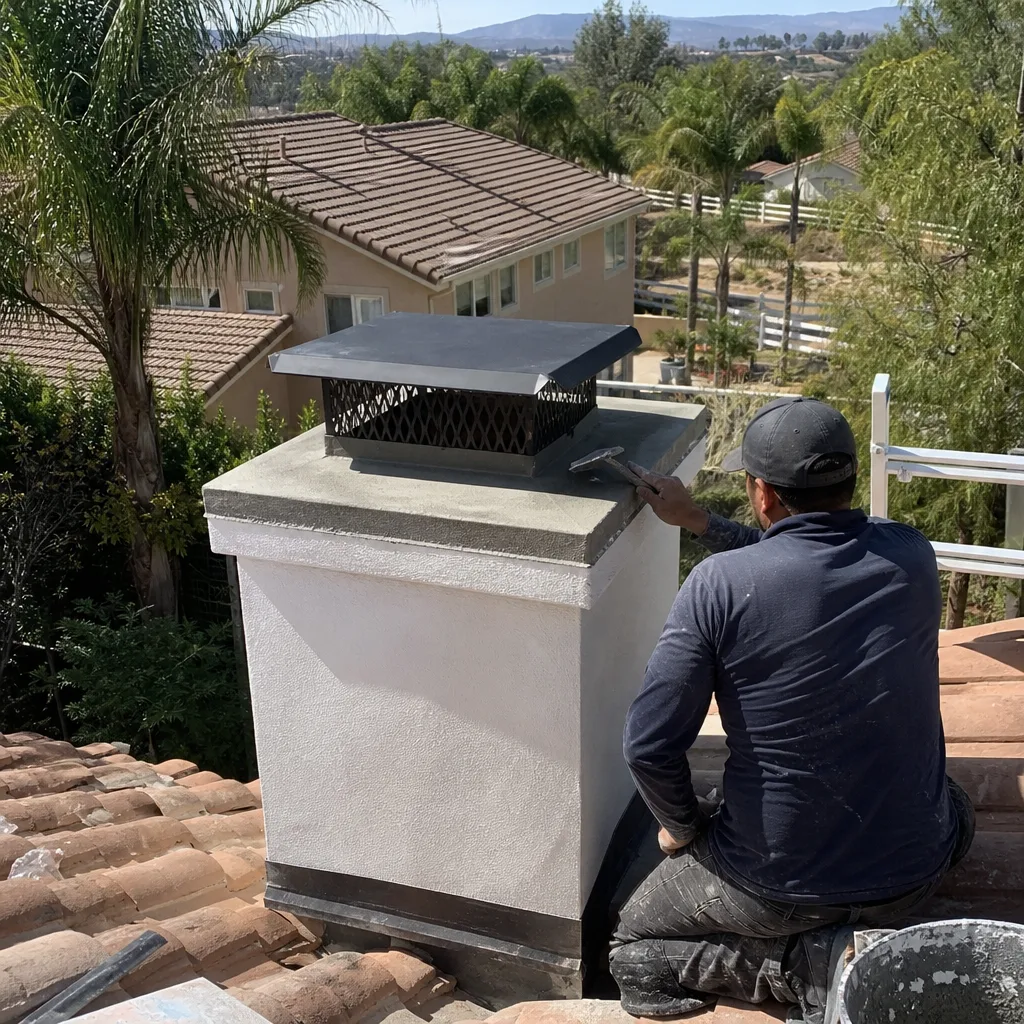 After
Frequently Asked Questions
Standard chimney sweeping in Temecula generally runs between $180 and $350 for a standard masonry fireplace with a straight flue, depending on the amount of buildup and whether any staging or special access equipment is required. A Level 2 inspection, which includes a camera scan of the flue interior, adds to that base price and is recommended if the home is new to you, if you’ve had a chimney fire, or if the system hasn’t been inspected in several years. Call (866) 563-3051 for an exact quote on your specific setup.
The National Fire Protection Association recommends an inspection at least once a year, with cleaning performed whenever creosote buildup reaches one-eighth inch of thickness or more. For a homeowner burning one to two fires per week through a Temecula winter, an annual sweep is the practical minimum. If you burn soft woods or unseasoned wood, you may need a mid-season cleaning.
You need a new liner when the existing one is cracked, spalling, or so deteriorated that it can no longer contain the heat and gases from a fire. A camera inspection is the only way to confirm this, and any honest technician will show you the footage before recommending a liner system. If the liner is intact but creosote-coated, cleaning is sufficient. If the flue is deteriorating but still structurally sound, products like HeatShield can restore the liner surface without a full teardown. Oakridge works with HeatShield specifically for cases where a full liner replacement isn’t necessary but the flue needs its fire resistance restored. The recommendation should be based on video evidence you can see yourself.
Skipping cleaning allows creosote to accumulate, and creosote is fuel. At high enough levels, a hot fire ignites it, producing a chimney fire that can reach 2,000 degrees Fahrenheit inside the flue. The fire cracks the liner, escapes the flue, and spreads into the wood framing around the chimney. Even if a chimney fire doesn’t spread, it usually damages the flue enough that a repair is mandatory before the chimney can be used again. The cost of a sweep is dramatically lower than the cost of a chimney fire response, and it’s the easiest maintenance decision you make all year.
You can, if you’re comfortable working on a roof and you have the proper-sized brush for your flue, but the more accurate answer is that homeowner cleaning rarely gets all the creosote out, especially in the smoke chamber above the damper, which most DIY attempts miss. There’s also a real injury risk working on a pitched roof in Temecula’s wind conditions. Professional sweeping includes the smoke chamber, the damper area, and the firebox, along with a visual check of the flue from both ends. If nothing else, have a professional do the first cleaning and you’ll see where the buildup hides.
Look for a company that specializes in chimney and venting work, not a general handyman who lists chimney cleaning among fifteen services. Ask whether they carry professional-grade supply brands for repair work. Materials like DuraFlex, Olympia Chimney, and Copperfield indicate the company sources from trade suppliers rather than big-box retail aisles, as covered in our Choosing the Right Chimney Cleaning Brand: A Buyer’s Guide for Temecula. Ask whether the sweep includes the smoke chamber and damper area or just the flue. Ask whether a camera inspection is available. The more specific the company’s answers, the more likely you’re dealing with a dedicated chimney contractor rather than a jack-of-all-trades.
The Bottom Line
Chimney warning signs are signals, and reading them correctly is the difference between a maintenance visit and a structural repair. A cold-smoke smell is not the same as a burning-smoke problem. White staining is a water map, not a cosmetic detail. A damper that rattles is a seal that has failed, and a flue that shines when you shine a flashlight up the firebox is a fire waiting for one bad night. Temecula’s climate and wood supply make regular inspection a necessity, not a recommendation. If you see the signs described here, or if it’s simply been more than a year since the last sweep, call (866) 563-3051 for a free estimate. The inspection tells you what’s happening. The cleaning prevents what could happen next. For ongoing care, explore more guides & resources from our team.
Written by the team at Oakridge Chimney Sweep, serving Temecula since 2011.