Last updated October 30, 2026
 Sweep & inspection
 Caps & crowns
 Flue relining
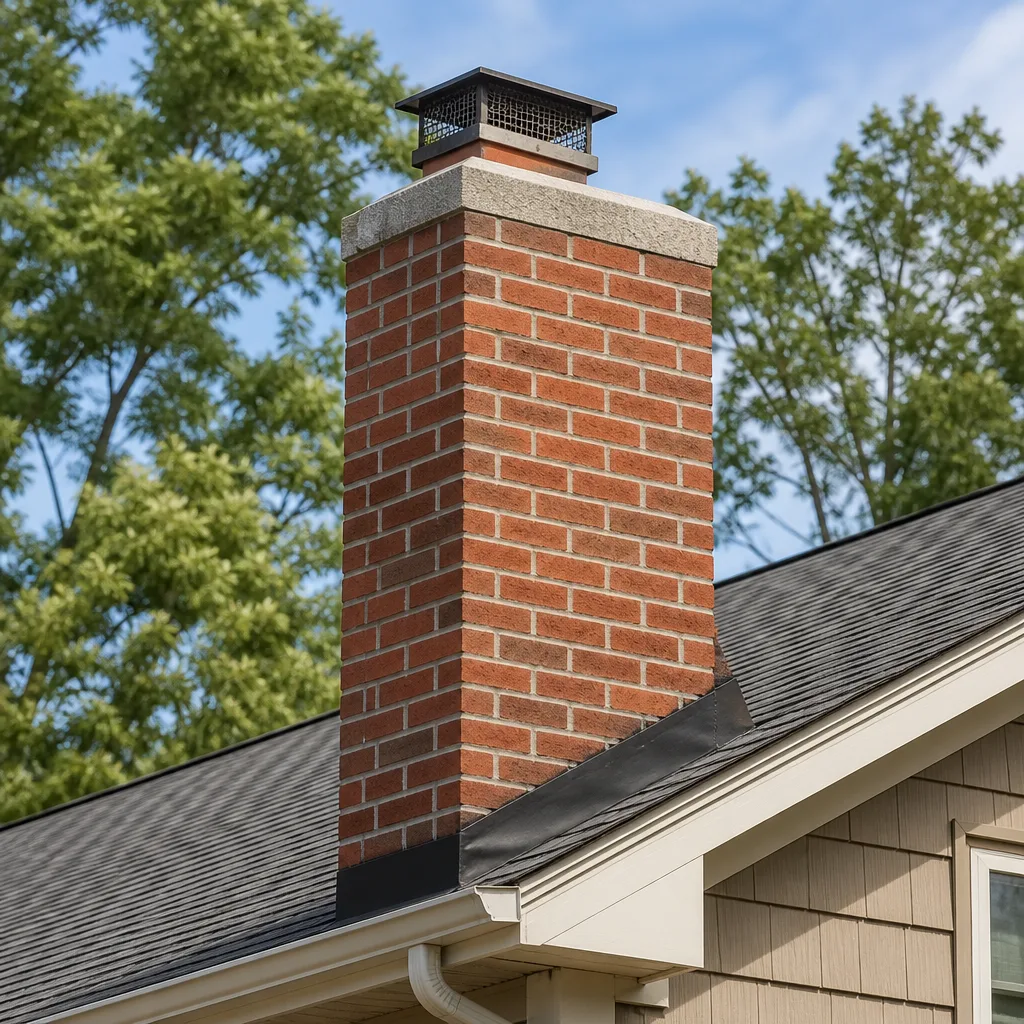 Masonry repair
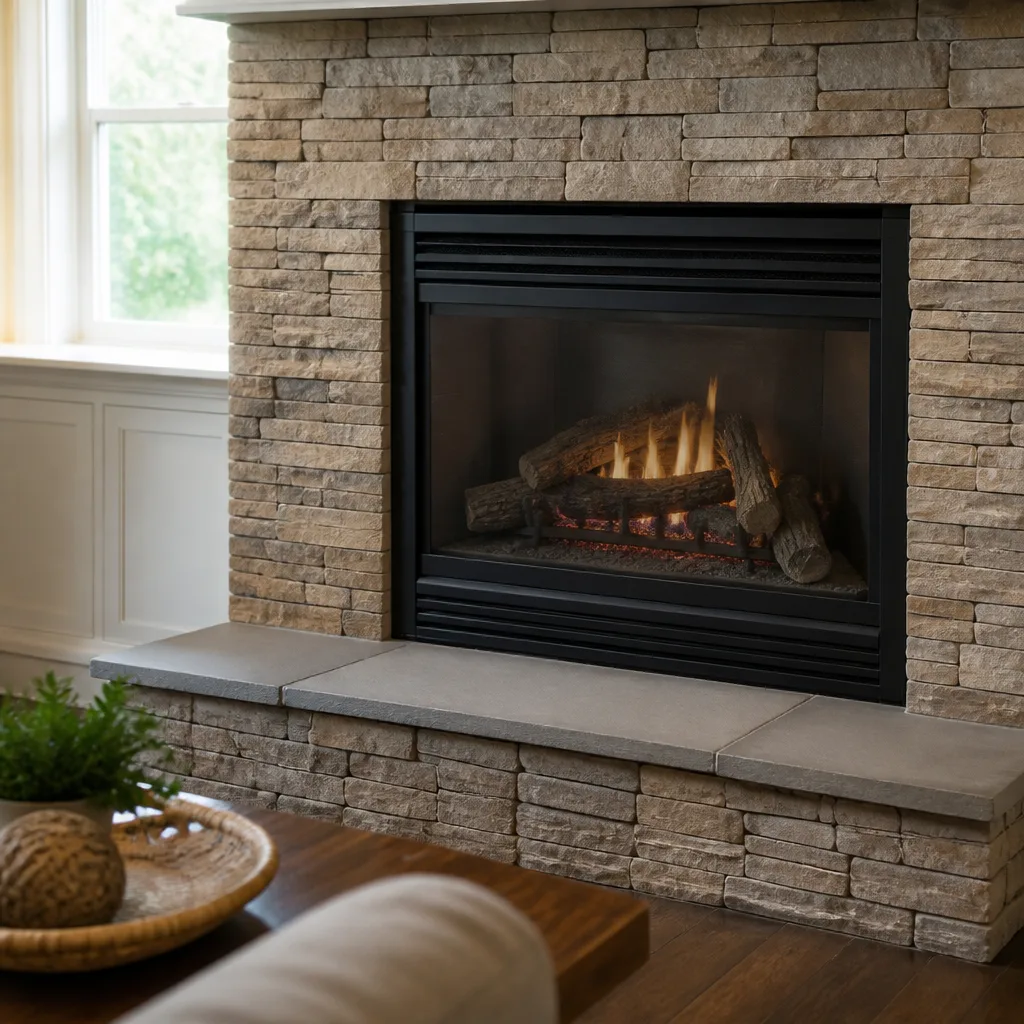 Gas fireplace service
Level 1 sweep and inspection to the NFPA 211 annual standard - flue, crown, cap, and flashing checked and photographed
Chimney sweep logs do not sweep chimneys. They loosen some creosote - which then falls where a brush and vacuum still have to collect it.
The Complete Guide to Chimney Cleaning in Temecula
Creosote buildup rates in chimneys that burn only 10 to 15 fires a season can match those that burn 50. That’s because infrequent, low-heat fires produce more incomplete combustion, the exact condition that deposits creosote fastest. Most Temecula homeowners assume light use means low risk. The flue tells a different story. This guide explains what actually accumulates inside a Southern California inland-valley chimney, why Temecula’s climate and firewood habits make the problem specific, and what a proper cleaning actually corrects beyond just running a brush up the flue. For more guides & resources, visit our blog.
Quick Answer
Chimney cleaning in Temecula typically costs between $179 and $350 for a standard sweep and Level 1 inspection, depending on flue condition, chimney height, and how long it’s been since the last cleaning. A proper job includes brushing the full flue length, scraping the smoke chamber, removing firebox debris, and inspecting the cap, damper, and visible masonry. For exact pricing based on your chimney, call Oakridge Chimney Sweep at (866) 563-3051.
Styles & brands we work with
Table of Contents
- What Actually Accumulates in a Temecula Chimney
- How Temecula’s Climate Changes the Cleaning Equation
- Why Local Firewood Makes Creosote Worse
- The Three-Stage Anatomy of a Proper Chimney Cleaning
- What a Level 1 Inspection Actually Covers
- How to Read Your Sweep Report and Spot a Sales Pitch
- How Often Should You Clean a Chimney in Temecula?
- Do Gas Fireplaces and Inserts Need Cleaning?
What Actually Accumulates in a Temecula Chimney
Every time you burn wood, three things move up the flue: smoke, water vapor, and tiny unburned particles. When those particles cool and condense on the flue wall, they form creosote. It’s not one substance. It’s a spectrum, and each stage behaves differently.
Stage one creosote is a fine, sooty dust that brushes off easily. Stage two is flaky and crusty, with the texture of dried coffee grounds baked onto the flue surface. Stage three is the one that concerns chimney professionals. It’s a hardened, glossy glaze that looks like black glass and resists standard brushing. Stage three creosote burns at a lower temperature than the other stages and, once ignited, can produce a chimney fire that reaches 2,000 degrees Fahrenheit. A standard cleaning removes stages one and two. Stage three requires rotary cleaning tools or chemical treatments.
But creosote isn’t the only thing accumulating. Temecula chimneys also collect:
- Leaf and twig debris from oak trees that drop material onto caps and into open flues between burns
- Ash and firebox debris that builds up in the smoke shelf, restricting draft
- Animal nesting material, which is common in chimneys that sit unused through spring and summer
- Moisture-related spalling from marine-layer humidity that condenses inside the flue liner
- Dried creosote flakes that fall back into the smoke chamber and block airflow
In our experience inspecting chimneys across Temecula, the ones that surprise homeowners are rarely the heavily used fireplaces. They’re the ones that burned sporadically through two or three mild winters and got skipped because the homeowner assumed occasional fires meant a clean chimney.
How Temecula’s Climate Changes the Cleaning Equation
Temecula sits in a valley that catches coastal influence without getting full marine air. The result is a specific humidity pattern: mornings can dawn damp, especially in spring and early summer, and nights cool down enough to pull that moisture into exposed masonry and flue liners. It’s not coastal-level moisture, but it’s enough to interact with creosote in ways homeowners don’t expect.
Creosote is hygroscopic. It absorbs water from the air. When marine-layer humidity reaches Temecula’s flues, it softens stage one and stage two creosote, making it stickier and more likely to bond to the flue wall. Then the daytime heat bakes it back on. This cycle, repeated through even a low-use spring, can harden creosote faster than a dry-climate chimney would see.
There’s a second issue. Temecula’s warm summers mean chimneys get closed up with the damper shut for months at a time. That traps whatever moisture and acidic creosote is already inside. Clay flue liners, common in older Temecula homes, are porous. Acidic creosote plus trapped humidity accelerates the breakdown of mortar joints between flue tiles. By the time the first fall fire happens, small cracks can already be present, and those cracks widen with heat stress.
The practical takeaway: even if you’re not burning, your chimney is changing. An annual inspection catches these changes before they become repair-level problems.
Why Local Firewood Makes Creosote Worse
Temecula’s firewood supply is dominated by two species: oak and eucalyptus. Both are dense, slow-burning woods that burn well and split nicely. Both also produce more creosote per fire than softer woods like pine or fir.
Oak, especially coastal live oak common in the Temecula Valley, is a high-BTU wood that burns hot. But its dense structure means it takes longer to reach full combustion temperature. During that ramp-up period, the fire smolders more than it burns, and smoldering is the single biggest creosote producer. If you load a firebox with oak and damp it down to stretch the burn, you’re creating prime creosote conditions.
Eucalyptus is even more problematic. It’s resinous and oily, particularly the red gum and sugar gum varieties planted throughout Southern California. The oils in eucalyptus vaporize at relatively low temperatures, producing heavy, sticky smoke that condenses quickly on flue walls. Eucalyptus also burns extremely hot once fully engaged, which can cause thermal shock in clay liners, especially those already weakened by creosote acidity.
What this means for cleaning frequency: a Temecula household burning oak through ten fires a season may accumulate as much creosote as a pine-burning household in a colder climate that burns thirty fires. The species matters more than the fire count. If you burn eucalyptus regularly, consider moving your cleaning interval up regardless of how light your use feels.
The Three-Stage Anatomy of a Proper Chimney Cleaning
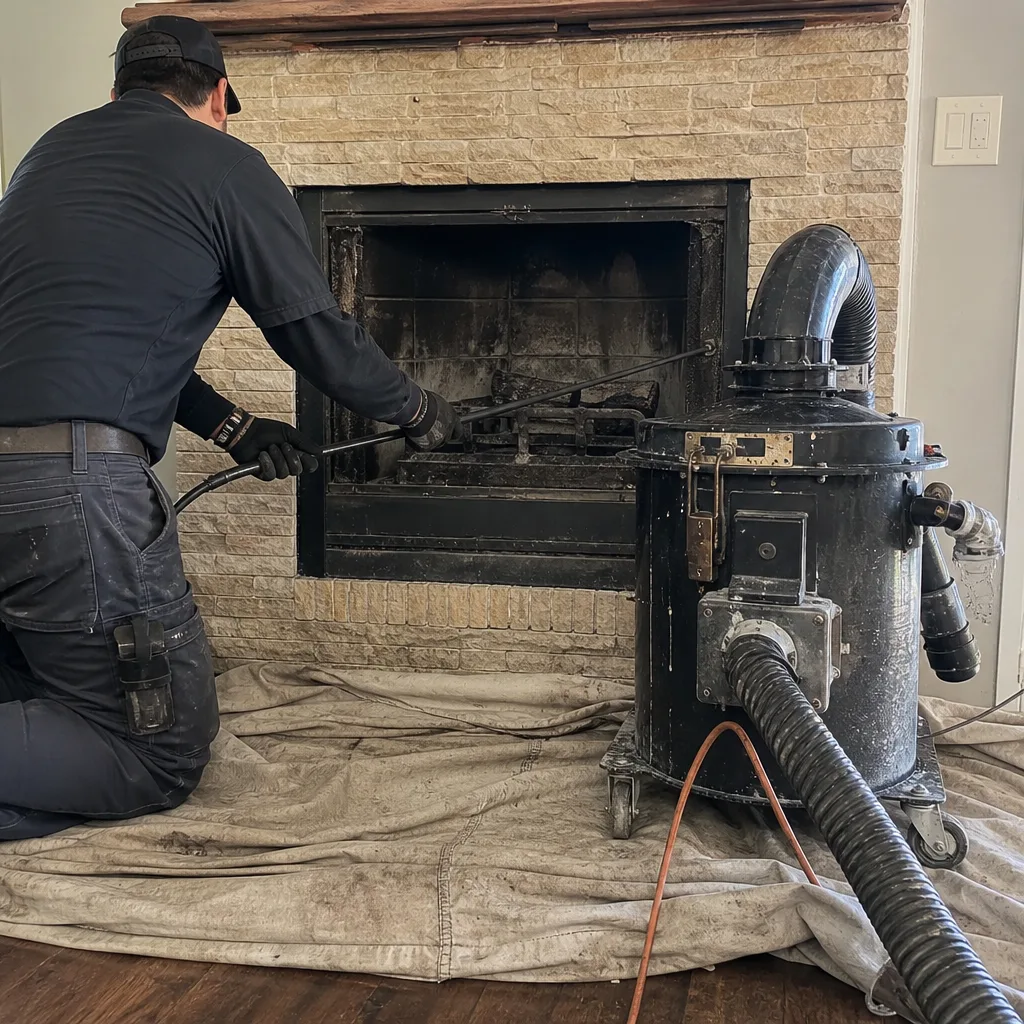
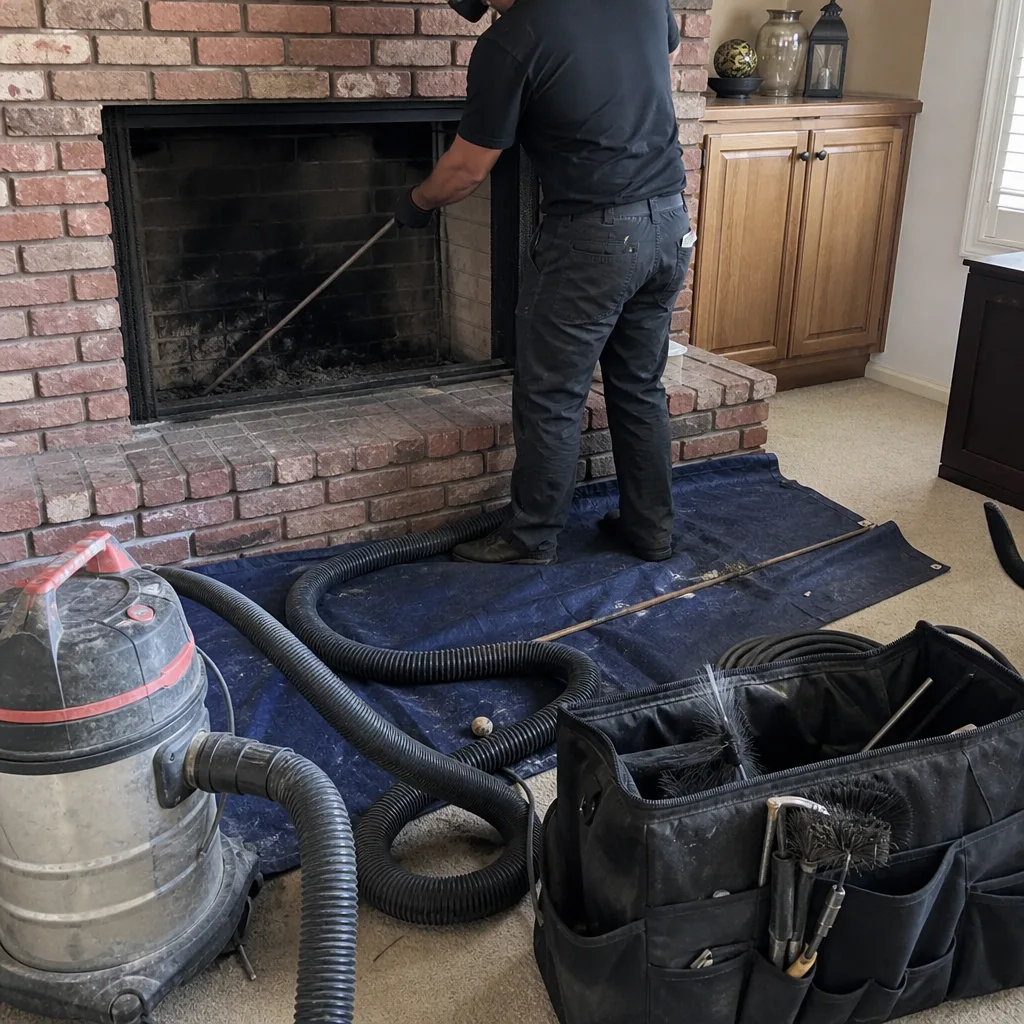
Most homeowners picture a chimney cleaning as a guy with a brush on a pole. That’s the brush work, and it’s important, but it’s only one part. A proper cleaning addresses three distinct zones, and skipping any of them leaves the job incomplete.
- Cap and upper flue inspection and cleaning. The technician checks the chimney cap for rust, blockage, or missing mesh. Birds, squirrels, and raccoons enter through damaged caps, and their nests create flue blockages that can push carbon monoxide back into the house. The cap also gets cleared of leaf debris and creosote buildup that restricts draft at the exit point.
- Smoke chamber scraping and flue brushing. The smoke chamber is the sloped area between the damper and the flue, and it does not get cleaned by a standard flue brush. It requires hand scraping or rotary tool work. Creosote accumulates here heavily because smoke swirls and slows as it passes through this transition zone. Most discount sweeps skip this step because it is labor-intensive. In our experience, the smoke chamber is where Temecula chimneys most often fail inspection.
- Firebox debris removal and damper check. The firebox gets cleared of ash, old embers, and fallen creosote flakes. The damper is tested for full operation and checked for rust or warping. A damper that does not seal fully lets conditioned air escape all year and provides a pathway for humidity to enter the flue during summer months.
After all three stages, the floor area around the fireplace should be clean, and the technician should provide a report showing what was removed and what was observed. That report is your evidence the work was done properly.
What a Level 1 Inspection Actually Covers
A Level 1 inspection is the baseline assessment performed during a routine chimney sweep. The National Fire Protection Association (NFPA) defines it clearly, but many homeowners never hear the definition. Knowing what it covers tells you exactly what you’re paying for.
A Level 1 inspection covers the readily accessible portions of the chimney:
- Visual examination of the flue interior from top and bottom
- Checks the basic condition of the flue liner, damper, and firebox
- Verifies the chimney is free of obstructions and combustible deposits
- Confirms the proper type of appliance is connected to the chimney
What a Level 1 inspection does not include is any invasive testing, demolition, or inaccessible area examination. It also does not require the technician to remove wall coverings or open up chimney structure.
Here’s what separates a real Level 1 inspection from what some discount sweep services call a “standard cleaning.” A real inspection includes the camera scan or strong-light examination of the full flue length, the smoke chamber condition report, the cap and termination condition check, and the firebox and hearth clearance verification. A discount sweep may run a brush up the flue and call it done. That’s a brushing, not an inspection.
Ask the company you’re considering: “Does your standard cleaning include a Level 1 inspection per NFPA 211?” If the answer is hesitant or qualified, you’re likely getting a brushing only. For help vetting providers, see How to Hire a Chimney Cleaning Contractor in Temecula: A Step-by-Step Guide.
How to Read Your Sweep Report and Spot a Sales Pitch
After a professional cleaning in Temecula, you should receive a written or digital report. This report is where you find out whether follow-up work is genuinely necessary or whether you’re being pitched a repair you don’t need. Reading it correctly matters, because chimney repair recommendations are one of the areas where homeowner trust gets tested.
Here’s what to look for:
- Photographic evidence. Any recommendation for liner repair, replacement, or masonry work should include photos from the camera inspection. No photos? You have a right to ask why. A legitimate finding is visual, and the evidence should be shareable with you.
- Specific measurements. A genuine problem has dimensions. “Flue tile crack at approximately 14 feet from the top, extending 6 inches vertically” is a specific finding. “General deterioration” with no location or extent is not.
- Clear distinction between safety issues and maintenance items. The report should separate “requires immediate attention” from “monitor.” Flue cracks that expose combustible materials are safety issues. Minor mortar spalling on the exterior crown may be a maintenance item that can wait. The report should tell you which is which.
- Recommendation language. Watch for pressure language. “This must be done before you use the fireplace this season” should be backed by a specific, visible defect. “We recommend considering” is a softer, more appropriate framing for non-urgent items.
At Oakridge Chimney Sweep, our policy is straightforward: nothing gets recommended without camera evidence we can show you. If your chimney can safely wait another season, we tell you that plainly. If it can’t, we’ll show you exactly why. That’s what “your flue, inspected honestly” means in practice.
For a deeper look at how repair recommendations should work, see our Chimney Repair in Coto De Caza page, which explains the same evidence-based standard applied to repair-level findings.
How Often Should You Clean a Chimney in Temecula?
The NFPA recommends cleaning when creosote accumulation reaches 1/8 inch or more, regardless of time since the last service. For most Temecula homes, that translates to an annual cleaning and inspection, even with moderate use. See our Seasonal Chimney Cleaning Care for Temecula: Year-Round Homeowner’s Guide for timing tips.
Here’s a practical breakdown based on usage patterns we see in the Temecula Valley:
- Occasional use (5 to 15 fires per season): Annual cleaning. The creosote from low-heat, smoldering fires is the stickiest kind, and it does not burn off between uses. Annual service catches it before it hardens into stage three.
- Regular use (20+ fires per season): Annual cleaning, sometimes with a mid-season check if you burn oak or eucalyptus exclusively. Dense local woods accelerate accumulation.
- Heavy use, older home, unlined or clay-lined chimney: Twice-yearly cleaning, or at minimum a second visual check halfway through the burning season. Clay liners in older Temecula homes absorb creosote differently than modern stainless steel liners and may show buildup sooner.
- Gas fireplace or insert: Annual inspection, with cleaning as needed. Gas produces less creosote, but it does produce moisture and acidic condensation that affects older flues. More on this below.
If you’ve never had the chimney cleaned since moving in, get a Level 1 inspection before your first fire. Unknown history means unknown accumulation, and the first burn is when chimney fires most commonly occur.
Our Oakridge Chimney Sweep home page outlines the full service scope, including scheduling guidance for Temecula homeowners.
Do Gas Fireplaces and Inserts Need Cleaning?
Yes, though the reasons differ from wood-burning fireplaces. Gas produces almost no creosote. What it does produce is moisture and acidic condensation, and in a sealed or semi-sealed system, those byproducts have fewer opportunities to escape.
Gas logs burn efficiently, but they still exhaust water vapor as a combustion byproduct. In a direct-vent gas insert, that moisture travels up a smaller-diameter flue, condenses on cooler liner surfaces, and mixes with sulfur compounds from the gas supply. The result is a mild acid that attacks clay liners and mortar joints over time. Temecula’s morning humidity does not help, because the liner’s exterior is also absorbing moisture from the air.
There’s a second issue specific to gas: the burner and log set accumulate dust, pet hair, and debris during off seasons. When the gas ignites, that debris burns off unevenly, which can create carbon monoxide production spikes and shortened equipment life. A gas fireplace cleaning includes:
- Removal and cleaning of the log set and burner assembly
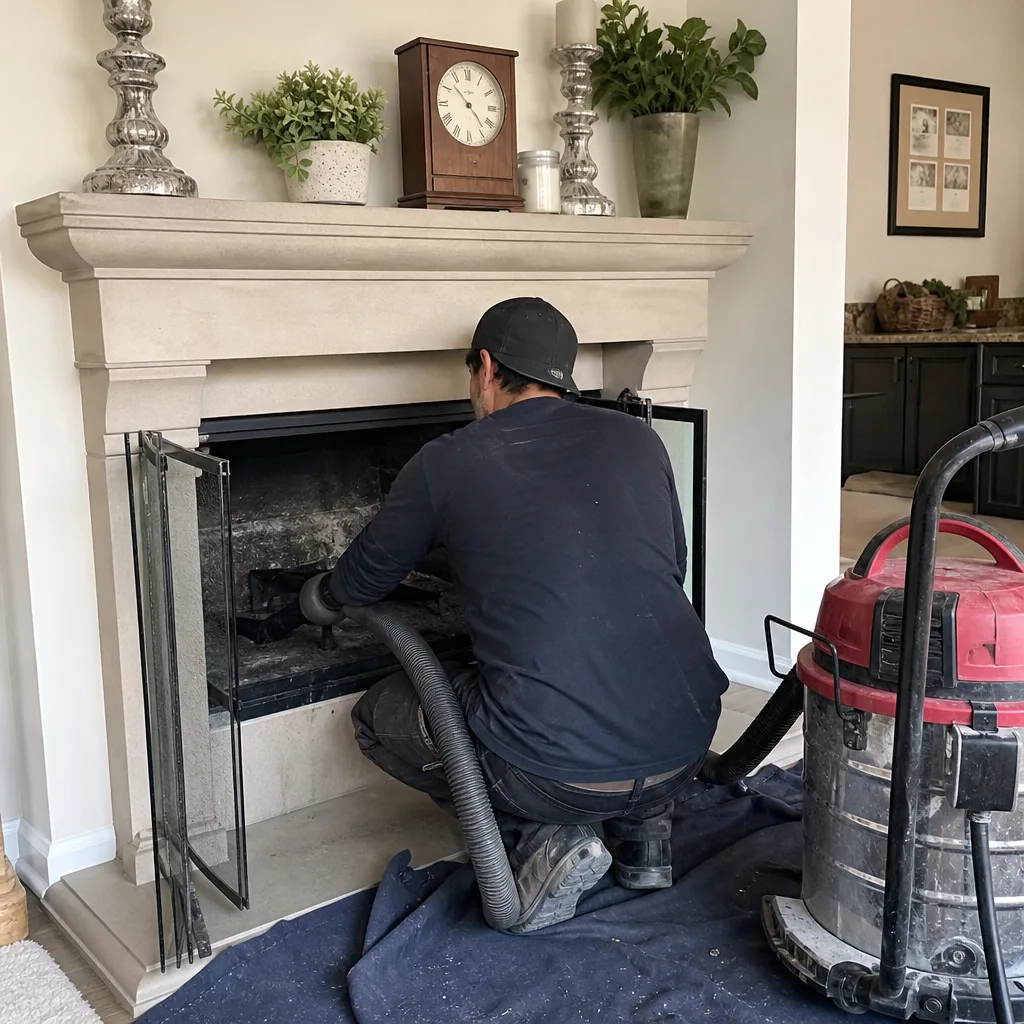
- Vacuuming the firebox and pilot assembly area
- Flue inspection for moisture damage and obstruction
- Glass cleaning and gasket inspection on sealed units
- Carbon monoxide testing with the unit running
In a direct-vent gas insert, the gasket around the glass door is a common failure point. Once the gasket hardens or cracks, the combustion seal is broken, and exhaust gases can enter the living space rather than venting outside. This is a carbon monoxide risk that has nothing to do with creosote and everything to do with chamber integrity.
If your gas appliance vents through an older masonry chimney, the liner condition matters as much as it does for wood. A deteriorating clay liner on a gas-vented chimney still risks flue gas leakage into wall cavities. Older gas appliances often used oversized flues, which create low draft velocity and higher condensation rates, a combination that accelerates liner damage.
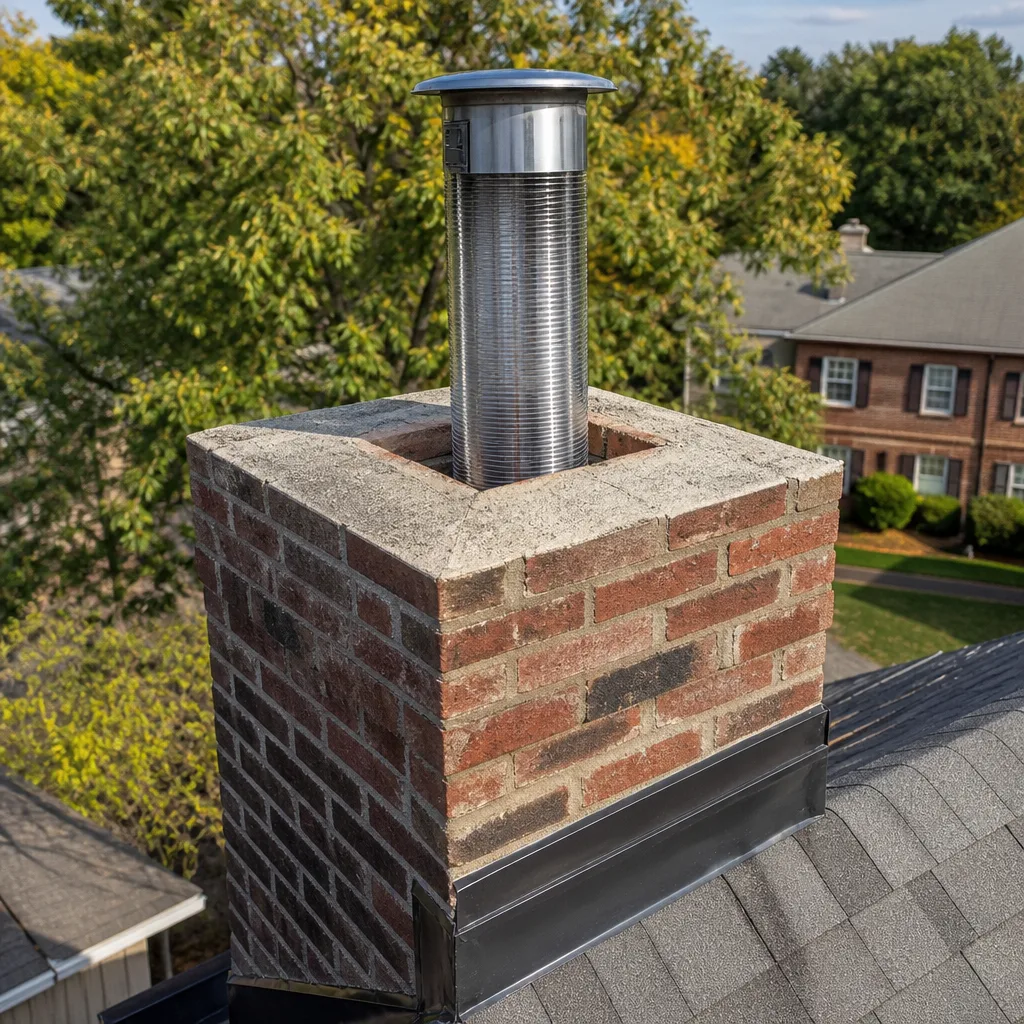
Modern gas inserts often use stainless steel relining systems. When an existing liner has deteriorated, a product like a DuraFlex flexible liner can provide a properly sized, corrosion-resistant flue pathway, even in offset or irregular chimneys. That’s the strongest position to be in: a chimney that vents gas at the correct temperature and velocity without giving condensation a place to settle. Our Chimney Sweep in Coto De Caza page covers the appliance-specific inspection process in more detail.
Understanding Creosote Removal Methods
Not all creosote responds to the same removal method. Understanding the difference matters because the wrong method on stage three creosote is a waste of your money and a false sense of security.
Standard wire brushing works for stage one and most stage two creosote. The brush knocks the deposits loose, and they fall to the smoke shelf and firebox, where they get vacuumed out. For a well-maintained chimney with annual cleanings, this is typically sufficient.
Rotary cleaning uses a spinning head with chains or stiff wire attached, driven by a power drill. It is the standard method for stage three glazed creosote, which a standard brush of any type will not remove. Rotary tools fracture the hardened creosote layer without damaging the liner, provided the technician knows what they’re doing. This is not a service every company offers because the equipment costs more and the technique requires training.
Chemical treatments, typically spray-on or powder-based, are sometimes used in conjunction with mechanical cleaning. They soften glazed creosote over time or chemically alter it to a more brushable form. Brands like Gelco and Copperfield produce professional-grade chemical treatments that chimney professionals stock. These are not fire logs you burn to “clean” your chimney (those have their own limitations); these are direct-application treatments used by technicians during a service visit.
If a company tells you the chimney needs rotary cleaning, ask to see the creosote before and after. Any honest sweep will show you. If they recommend chemical treatment, ask what specific stage of creosote they observed and why mechanical methods alone won’t address it. The answers will tell you quickly whether you’re dealing with a technician or a sales routine. Still weighing your options? Read DIY vs Professional Chimney Cleaning: The Temecula Homeowner’s Decision Guide.
Chimney Caps, Dampers, and the Parts That Fail Silently
A chimney is more than a flue. The components at the top and bottom fail before the flue itself does, and their failure creates conditions that accelerate creosote problems.
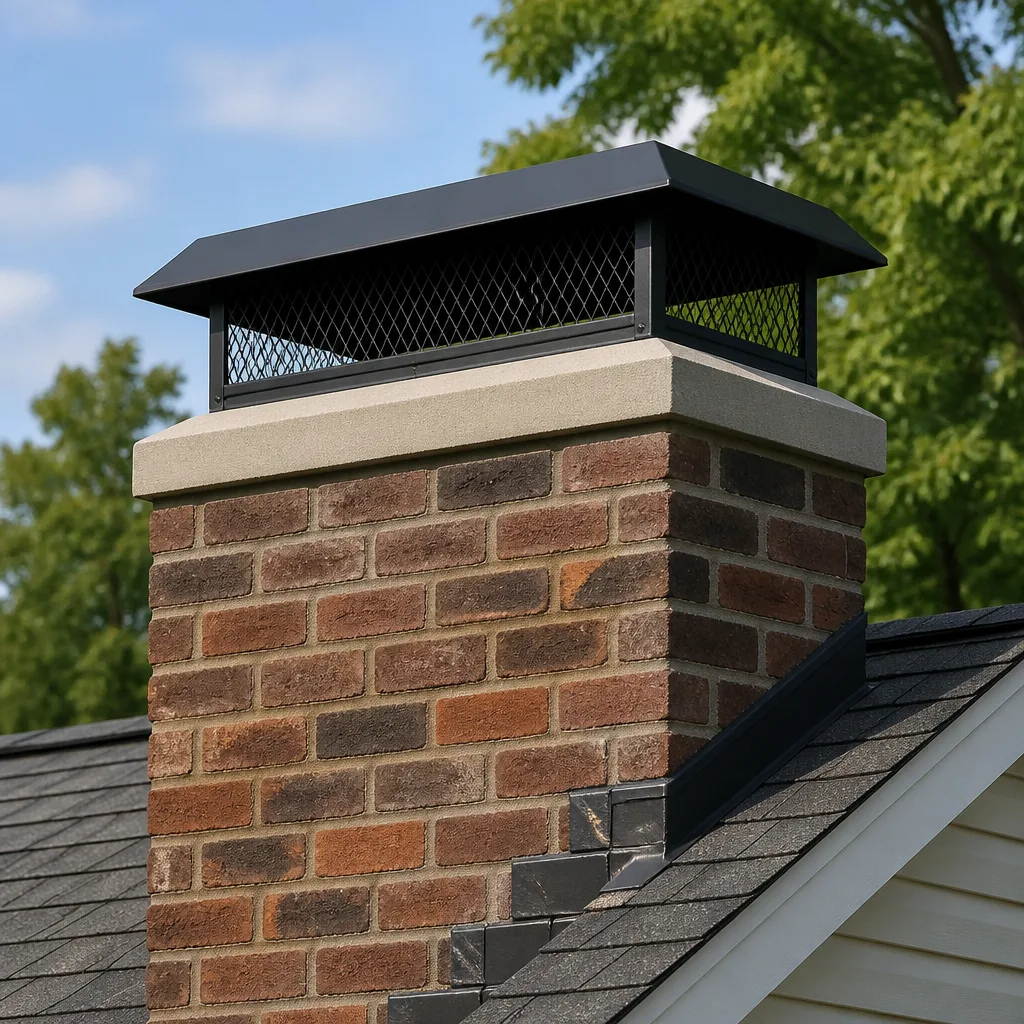
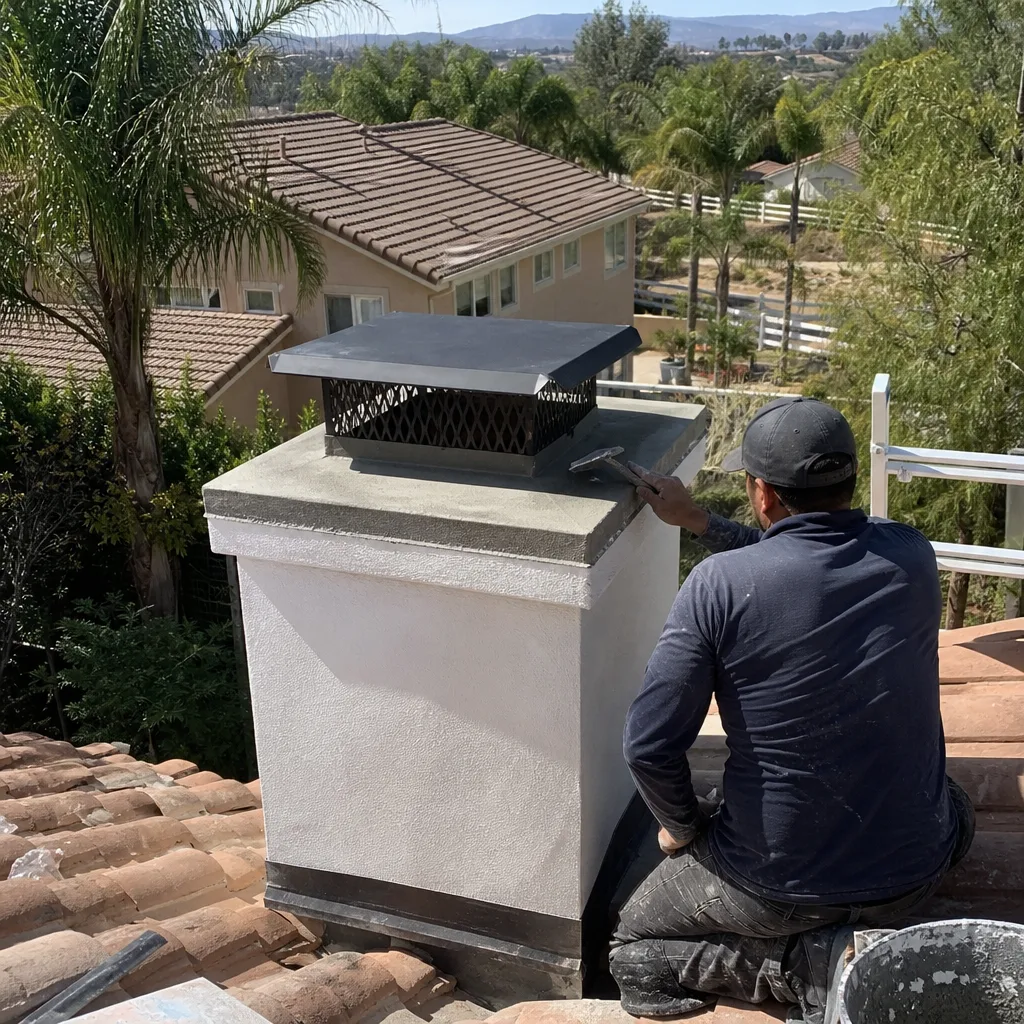
The chimney cap is the first line of defense against water, animals, and debris. A missing or rusted cap in Temecula means leaves from oak trees get into the flue, birds nest in the smoke chamber, and rain reaches the liner. Once water reaches the clay tiles and sits there, the freeze-thaw cycle, while rare in Temecula, matters less than the moisture-and-creosote chemical reaction, which is ongoing. Cap replacement is a hundred-dollar fix. Liner restoration because a missing cap went unaddressed for years is a thousand-dollar fix.
The damper lives just above the firebox and controls the draft into the flue. Traditional throat dampers rust, warp, and seize. A damper stuck open leaks conditioned air from your home year-round. A damper stuck closed makes the fireplace unusable. Neither condition is a creosote issue, but both are caught during a cleaning inspection. Many Temecula homeowners have their first damper replacement done after a routine sweep reveals the old one rusted through.
The smoke shelf sits behind the damper and catches falling debris. Its design, a flat shelf below the smoke chamber, is intentionally stagnant. That means creosote flakes, twigs, and animal nests collect there without being visible from the firebox. A thorough cleaning includes smoke shelf access, which some companies skip because it requires reaching up behind the damper and is awkward work. If your sweep report doesn’t mention the smoke shelf, ask whether it was cleaned.
Older Temecula homes with original masonry chimneys often have fireclay damper assemblies that were never designed for decades of use. When they fail, replacement with a top-sealing damper is sometimes the better fix. A top-sealing damper mounts at the flue exit, sealing the chimney from the top rather than the firebox. It eliminates the throat-damper rust problem entirely and improves energy efficiency because the flue stays sealed even when the fireplace is unused. Olympia Chimney and Famco both produce top-sealing dampers that chimney professionals commonly install.
What Determines Chimney Cleaning Cost in Temecula
Chimney cleaning prices in Temecula vary by company and by chimney condition. The variables that move the price are specific and worth understanding before you book.
- Chimney height. A two-story roof access costs more than a single-story ranch, because roof access and ladder work take longer and involve more safety equipment.
- Flue condition. Stage three creosote requires rotary cleaning tools, which adds time and cost. A standard brushing on a clean chimney takes less time than a rotary pass on a glazed chimney.
- Accessibility. Roof pitch, surrounding trees, and fence placement affect how the technician sets up. Steeper roofs slow the process.
- Additional components. If the chimney has a cap, a damper, or an insert that needs inspection or cleaning, those add to the service scope.
- Inspection level. A Level 1 inspection is standard with a cleaning. Level 2 inspections, which include video scanning and are required when property changes hands or after a chimney fire, cost more.
As a practical range, most Temecula chimney cleanings fall between $179 and $350 for the sweep and Level 1 inspection, with higher-end jobs involving rotary creosote removal or hard-to-access roofs running toward the top of that range. If a quote is dramatically below that, ask what’s being skipped. The answer is usually the smoke chamber, the cap check, or the inspection report.
What we can say with confidence: the brands professionals stock, like DuraFlex, Olympia Chimney, and Famco, don’t get installed by the cheapest bidder. If the number is too low to pay for trained labor, proper equipment, and insurance, you’re not getting the same service.
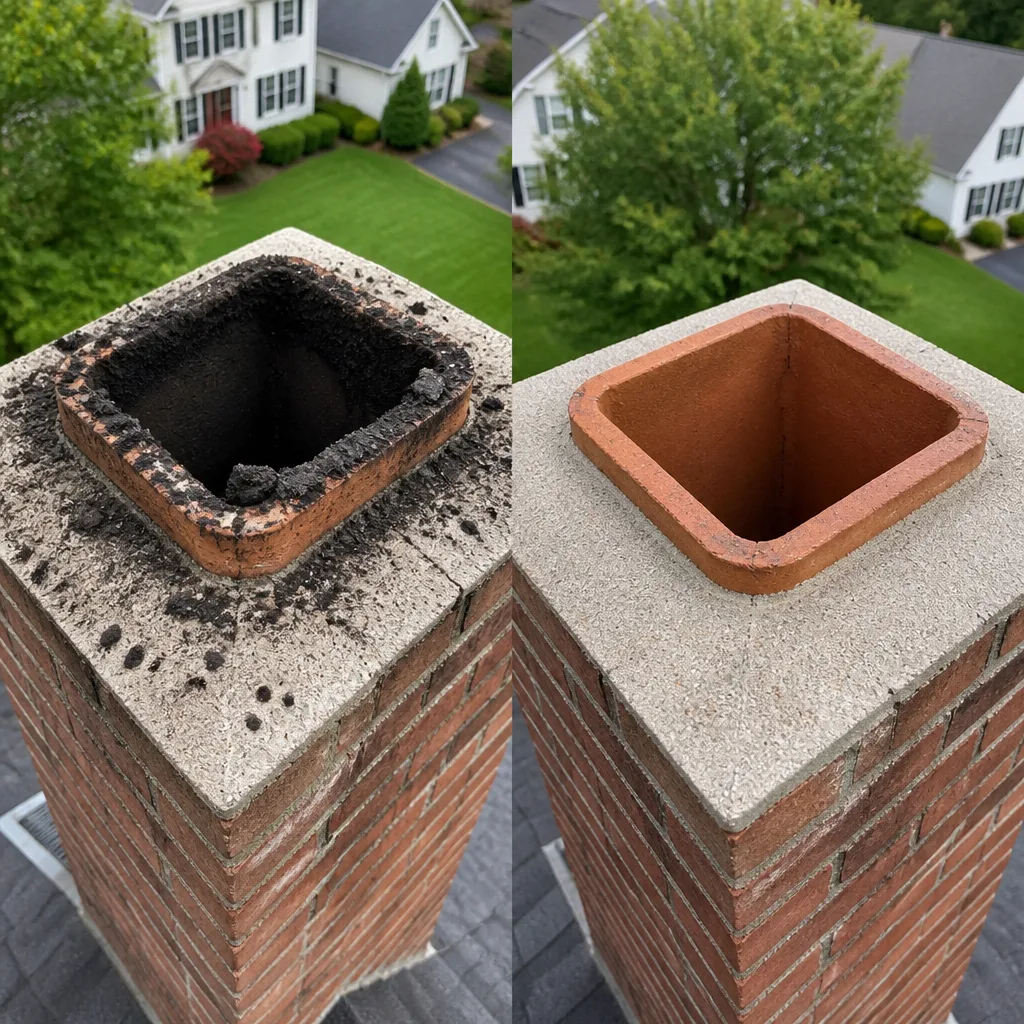
See the difference
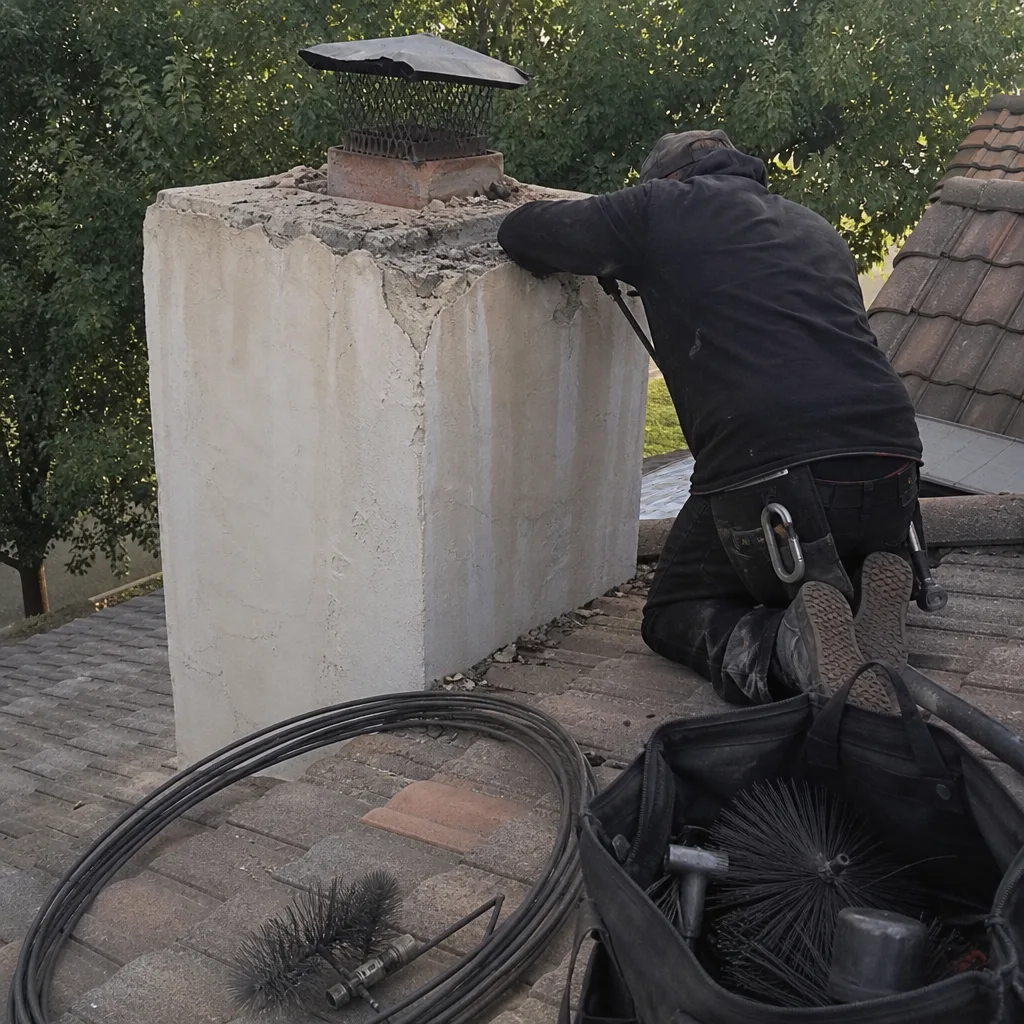 Before
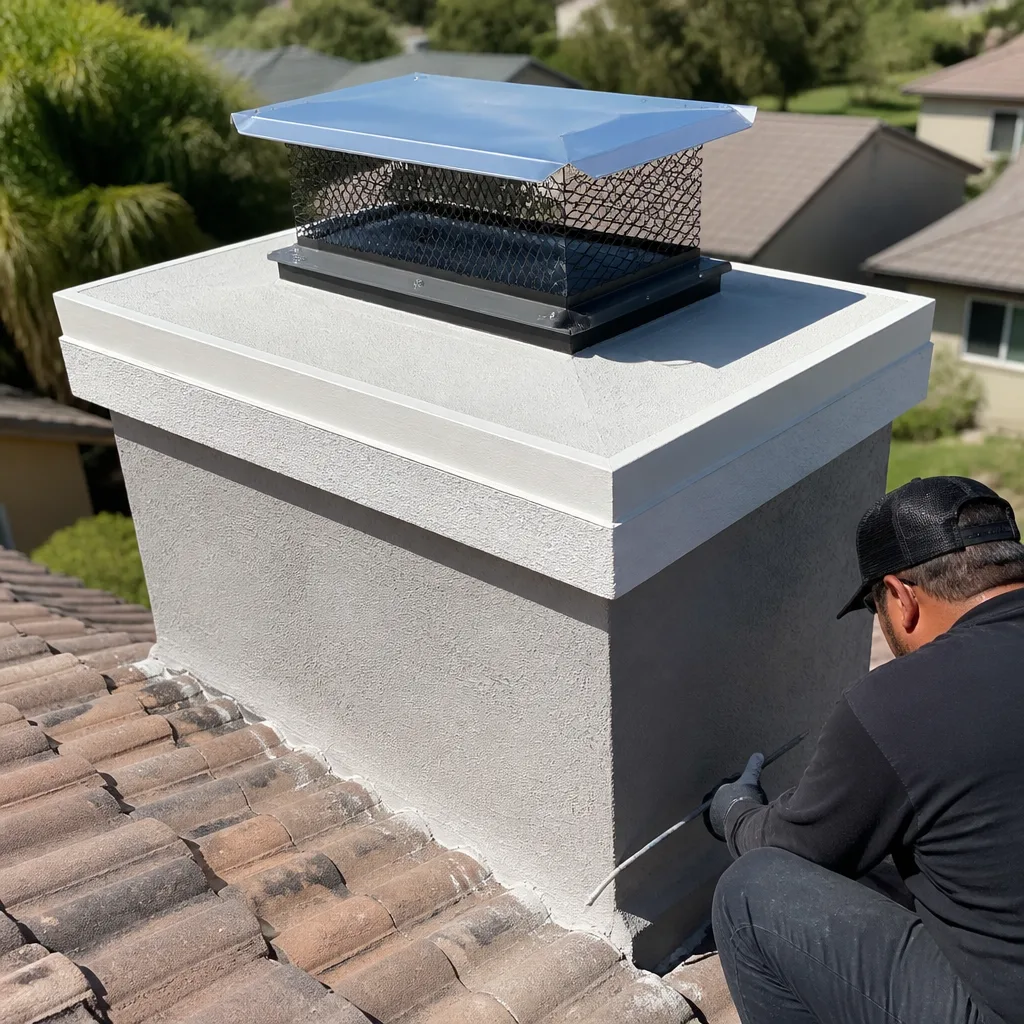 After
 Before
 After
 Before
 After
Common Mistakes to Avoid
- Waiting to burn a “hot fire” to clean out creosote. Hot fires do not remove creosote. They can ignite it. A chimney fire is not a cleaning method; it’s a structural emergency that often destroys clay liners and requires costly repair.
- Skipping annual service because last year’s report was clean. Chimney conditions change between seasons. In Temecula, a summer of moisture intrusion followed by one animal nest can turn a previously clean flue into a blocked one by October. The annual inspection is the catch.
- Burning eucalyptus without adjusting your cleaning schedule. Eucalyptus deposits creosote faster than nearly any other common firewood. If eucalyptus is in your woodpile, annual cleaning is a floor, not a ceiling.
- Hiring a discount sweep that skips the smoke chamber. This is the most common shortcut in the industry. The smoke chamber holds a quarter of the flue’s surface area in some chimneys, and brushing the flue without touching it leaves the highest-risk zone uncleaned.
- Shutting the damper immediately after a fire. Closing the damper while embers are still warm traps smoke and moisture inside the chimney. Leave the damper open until the fire is fully out and the embers have cooled, usually an hour or more.
- Ignoring the gas fireplace because it doesn’t make creosote. Gas fireplaces still produce moisture and carbon monoxide. Annual inspection is the only way to verify the combustion seal is intact and the flue is venting properly.
- Assuming the home inspector checked the chimney deeply enough. A home inspection is not a chimney inspection. Home inspectors look at the firebox and the exterior. They rarely clean, camera-scan, or access the smoke chamber. A Level 1 chimney inspection is a separate service.
When to Call a Professional
Any of these conditions means it’s time to call a certified chimney professional before the next fire: visible creosote flakes falling into the firebox, a smoky smell in the room when the fireplace is not in use, difficulty starting or maintaining a draft, evidence of animal activity (scratching sounds, nesting material, droppings around the hearth), any history of a chimney fire, or if you’re buying a home in Temecula and have no record of the chimney’s service history. None of these are self-correcting. All of them are visible to a trained technician within the first ten minutes of an inspection. Oakridge Chimney Sweep offers free estimates in Temecula, call (866) 563-3051 to schedule yours.
Frequently Asked Questions
A standard chimney sweep with Level 1 inspection in Temecula typically runs between $179 and $350, with the final price depending on chimney height, roof access, creosote condition, and whether rotary cleaning tools are needed. Call (866) 563-3051 for an exact quote on your chimney, estimates are free.
Yes. Chimney fires ignite when creosote reaches a temperature at which it combusts, and a clean flue simply has little to no fuel available. Removing creosote down to the flue surface is the single most reliable fire prevention measure.
You can brush what you can reach, but you cannot inspect what you cannot see. Professional cleaning includes smoke chamber access, cap inspection from the roof, and a trained assessment of the liner condition, none of which are realistic DIY tasks. For the safety-critical components, use a trained professional.
Camera inspection shows liner cracks, gaps, and spalling that are invisible from the firebox or the roof. If the camera reveals cracked flue tiles or separated mortar joints, the liner is compromised. HeatShield restoration or a DuraFlex relining system are the two common correction paths, and both are specialized services beyond standard sweeping.
They’re separate venting systems, but both are leading residential fire-hazard sources, and both fall under the ventilation safety category. Many homeowners pair the two services so both major hot-vent systems get cleaned in a single scheduled visit. See our Dryer Vent Cleaning in Coto De Caza page for details on the dryer-specific process.
Creosote hardens into stage three glaze, moisture interacts with the acidic deposits, and clay liners begin to degrade. You’ll eventually face rotary cleaning, liner repair, or both, and the fire risk increases every season you delay. The cost of annual maintenance is consistently lower than the cost of deferred repair. Call (866) 563-3051 to get ahead of it.
The Bottom Line
Chimney cleaning in Temecula is not a generic maintenance task. The local combination of marine-layer humidity, dense oak and eucalyptus firewood, and sporadic burning creates creosote conditions that generic guides miss. A proper cleaning addresses the full system: cap, flue, smoke chamber, damper, and firebox. A proper inspection gives you photographic evidence of what’s there. And the right contractor handles the full lifecycle, from sweep to repair, so you never get passed off to a third party. Oakridge Chimney Sweep has served Temecula since 2011 with that standard: three core services, professional-grade materials, and honest reports every time. Call (866) 563-3051 for a free estimate and find out what your flue actually has to say.
Written by the team at Oakridge Chimney Sweep, serving Temecula since 2011.